
Hydration Mistakes: 5 Reasons Your Horse Might Not Be Drinking Enough
Hello fellow equestrians. That water bucket staying full day after day is a quiet alarm for dehydration, colic, and wallet-thinning vet bills. Your gut feeling is right-this simple issue can snowball into a major health scare.
In this article, I’ll walk you through five specific mistakes I’ve diagnosed and fixed in my own barn, so you can get your horse drinking happily again.
- Water temperature that’s just plain wrong
- Buckets and troughs that taste foul
- Water placed in stressful or inconvenient spots
- Hidden health issues killing their thirst
- Herd politics at the watering hole
I’ve managed barns and trained horses for over a decade, where checking water levels became as instinctive as listening to a horse’s breath.
How to Tell if Your Horse is Dehydrated: The Silent Signs
Your horse might not be staggering from thirst, but subtle dehydration saps their energy and health over time. I learned this with Pipin, who acted his usual cheeky self but started passing drier manure-a quiet clue I almost missed. Monitoring for these hidden signs is your first defense against a creeping health issue.
Physical Checks You Can Do in the Stall
Skip the guesswork. When you halter your horse in their stall, run through these three fast hands-on tests. I do this every morning with my crew, right after I toss their hay.
- The Gum Test: Gently lift the upper lip. Healthy gums are slick and pink. Sticky, pale, or dark red gums signal trouble.
- Capillary Refill: Press your thumb firmly on the gum above a front tooth, then release. Color should return in one to two seconds. Any slower hints at dehydration.
- The Skin Pinch: Pinch a fold of skin on the neck or shoulder, release, and watch. Skin that snaps back instantly is good. If the tent holds for even a second or two, your horse needs more fluids.
Making this a daily ritual takes less than a minute and gives you a powerful snapshot of your horse’s well-being.
Beyond the Skin Pinch: Other Key Indicators
Your eyes are just as important as your hands. Watch for these changes in their daily habits.
- Manure Matters: Well-hydrated manure forms moist, breaking balls. Dehydrated droppings are hard, small, and often darker.
- Urine Output: Notice fewer wet spots in the stall or paddock? Reduced urine volume is a major red flag.
- Hollow Flanks: Glance at the area just behind the ribs. A slight, lingering dip or hollow appearance can mean lost fluids.
- Behavioral Shifts: A dehydrated horse might seem duller, less interested in treats, or take longer to eat their hay. Rusty once left his favorite apple chunk, which was my wake-up call.
Trust the whole picture these signs paint, not just one test, to guide your care.
Mistake #1: Overlooking Water Palatability and Cleanliness
We expect them to drink what we provide, but horses have opinions. That bucket of water you’d skip? So will they. Providing clean, appealing water isn’t just about kindness-it’s a non-negotiable for health.
Why Algae and Debris Turn Horses Away
Imagine being offered a glass of water with floaties and a musty smell. Horses have a sharper sense of smell than we do, and that green tint or leafy debris screams “contaminated” to them. This aversion is a deep-rooted survival instinct to avoid toxins and parasites found in stagnant water sources. Luna, with her thoroughbred sensitivity, will point-blank refuse a bucket with even a faint algal film. Her refusal isn’t pickiness; it’s communication.
Daily and Weekly Bucket & Trough Cleaning Routine
A simple scrub makes all the difference. Here is the no-fuss schedule I’ve used for years to keep Rusty, Luna, and Pipin drinking happily.
Every Single Day:
- Empty all buckets and troughs completely-don’t just top them off.
- Give them a quick scrub with a stiff-bristled brush dedicated to this task. I use plain water or a dash of white vinegar for light scum.
- Rinse until the water runs clear, with no vinegar smell left behind.
- Refill with fresh, cool water. Listen for that satisfying glug as they take their first sip.
Once a Week (or Immediately if You See Algae):
- Do a deep clean. Use a milder, horse-safe disinfectant or a baking soda paste for stubborn stains.
- Scrub every surface, especially the rim and bottom where biofilm loves to hide.
- Rinse more thoroughly than you think you need to-any chemical residue will defeat the purpose.
- Let the container air dry in the sun if possible before refilling; sunlight is a great disinfectant.
This routine is cheaper than any supplement and more effective for getting water into your horse.
Mistake #2: Getting the Water Temperature Wrong
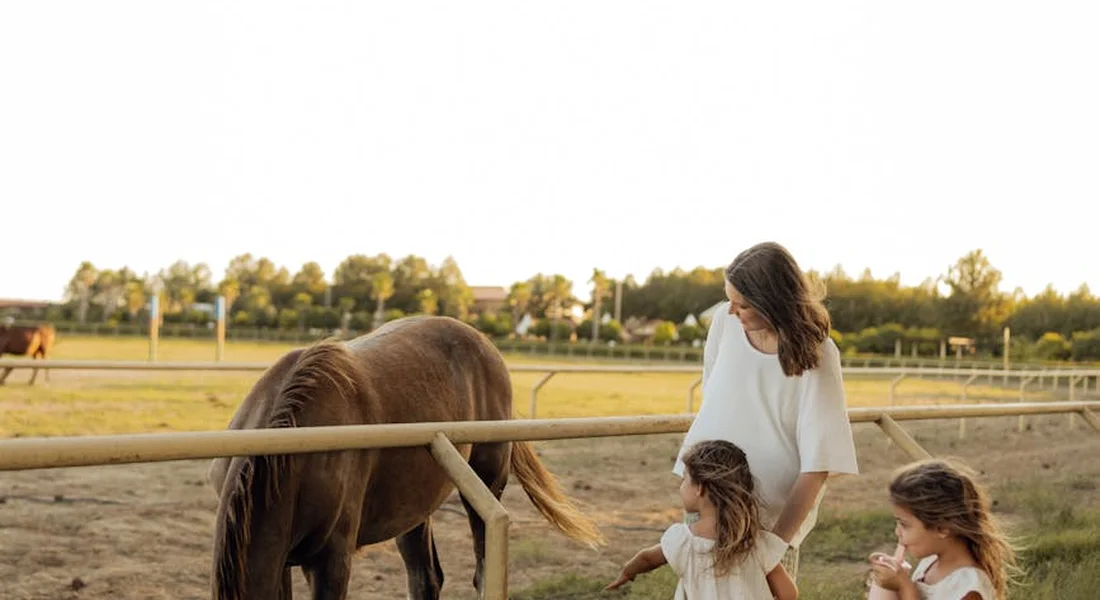
Think about your own preferences. On a sweltering day, would you guzzle a steaming mug of tea? In a deep freeze, would you reach for a slushy ice drink? Probably not. Your horse’s instincts are just as particular. We often focus only on the water’s presence, not its comfort. Getting this wrong is a silent, daily deterrent to drinking, especially in colder weather where winter hydration is crucial.
The Goldilocks Zone: Not Too Hot, Not Too Cold
Horses have a strong preference for water that is, as the fairy tale goes, just right. The ideal range is between 45°F and 65°F (7°C to 18°C). I learned this the hard way with Luna, my sensitive Thoroughbred. In winter, she’d dip her muzzle into an icy bucket and immediately pull away, as if offended. Water that’s too cold can cause stomach cramping and discourage consumption. Conversely, water left baking in the summer sun becomes tepid, unpalatable, and a breeding ground for algae and bacteria. A lukewarm, stagnant bucket tastes as bad to them as a warm, flat soda does to you. In winter, preventing troughs from freezing is essential to ensure steady water access. A practical winter guide on keeping horse water troughs from freezing covers simple, humane methods you can try.
Winter Ice and Summer Heat: Practical Adjustments
Your management needs to change with the seasons. Here is my routine, born from years of breaking ice and hauling hoses:
- Winter: Invest in a safe, tank-style bucket heater or a heated automatic waterer. The gentle hum of a heater is a sound of peace of mind. If heating isn’t an option, you must break and remove ice at least twice daily. Fresh water poured over the ice chunks encourages drinking.
- Summer: Place water troughs and buckets in the shade. The difference in temperature between a sun-baked bucket and a shaded one is dramatic. Dump, scrub, and refill buckets daily to keep water fresh and cool. Adding a second trough in a paddock ensures one is always in shade as the sun moves.
Stick your own hand in the water several times a day-it’s the fastest way to understand what your horse is being offered.
Mistake #3: Misunderstanding Salt and Electrolyte Balance
This is where many well-meaning owners get tripped up. We hear “electrolytes” and think of sweaty workouts. But the foundation of all hydration is plain, white salt. Without adequate sodium, the thirst signal in your horse’s brain simply doesn’t switch on properly.
How Electrolytes Actually Drive Thirst
Think of salt as the key that unlocks the thirst mechanism. When a horse consumes salt, sodium levels in the blood rise slightly. The brain detects this and says, “We need to dilute this-go drink water!” This leads to voluntary water consumption, which then supports all bodily functions. Electrolyte supplements are for replacing what is lost in sweat; salt is for creating the daily urge to drink in the first place. A horse on a forage-only diet with no access to a salt lick is almost certainly salt-deficient.
Simple Ways to Supplement Salt Correctly
You have options. The goal is consistent, daily intake. I use different methods for different horses:
- Plain White Salt Block: Always have one available in the stall and field. Monitor it-some horses are avid lickers, others ignore them. My pony Pipin will use his as a scratching post unless it’s the only option.
- Loose Salt: This is my preferred, guaranteed method. Add 1-2 tablespoons of non-iodized loose salt to your horse’s daily grain or wet mash. You know exactly how much they’re getting.
- Electrolyte Supplements: Reserve these for days of hard work, long trailers, or extreme heat when they are sweating profusely. Never give a commercial electrolyte paste to a dehydrated horse without also offering water; it can pull fluid into the gut and make dehydration worse.
Start with the basics: ensure free-choice salt and watch their water intake rise. It’s a simple fix with profound effects.
Mistake #4: Ignoring Stress, Boredom, and Environment
You can clean buckets and change water twice a day, but if your horse is stressed or bored, they might still not drink. We often focus on the physical, forgetting the mental weight our horses carry. A horse’s mind directly controls their thirst, and anxiety or monotony can turn off the tap completely.
How Herd Dynamics and New Places Affect Drinking
Horses are herd animals, and their social standing dictates everything. A low-ranking horse might avoid the water trough if a bossy mare guards it. Traveling to a show or moving barns introduces strange smells and sounds that can overwhelm them. I remember Luna, our thoroughbred, would barely sip for a full day after any change in her paddock mates-her sensitivity made her a barometer for herd tension. It really emphasizes the importance of understanding horse behavior and psychology.
To keep the peace and promote drinking, you need a strategy.
- Place water sources in neutral zones, away from tight corners or gates where one horse can block access.
- During travels, bring water from home or use a familiar flavor to mask new tastes.
- Allow for quiet, supervised introductions to new groups, letting them establish order without constant drama.
The creak of a new stall door or the echo in a strange arena can be enough to deter a drink. Patience and planning are your best tools.
Combatting Boredom in the Stall or Paddock
Stall life can be incredibly dull. A horse with nothing to do may simply lose interest in everything, including water. I advocate for maximum turnout-it’s the cornerstone of gentle horsemanship and equine welfare. Seeing Pipin, our Shetland, invent games with his feed tub reminded me that a stimulated horse is a healthier horse, especially when they have access to enriched water sources.
If all-day turnout isn’t possible, enrich their environment.
- Rotate toys: a sturdy Jolly Ball one week, a treat-dispensing puzzle the next.
- Use slow-feed hay nets to extend chewing time and mimic natural grazing rhythms.
- Provide a clear view of barn activity or a calm companion; isolation breeds apathy.
The smell of fresh hay and the sound of a friend nearby can make a world of difference. Turnout isn’t just about movement; it’s about engaging their curious minds.
Mistake #5: Missing Underlying Health Issues
When water consumption drops, your first thought might be the weather or the bucket. Your last thought should be the horse itself. Subtle health problems are easy to miss but have a massive impact. In my years of training, I’ve found that a sudden disinterest in water is rarely just a behavioral quirk.
Dental Pain, Illness, and the Aging Horse
Imagine trying to drink with a toothache. Sharp enamel points, infected gums, or sores in the mouth make drinking painful. Older horses like Rusty face joint stiffness that makes bending to a low bucket a chore. Annual dental floats are non-negotiable maintenance, as crucial as cleaning hooves or checking tack fit.
Be a detective for these hidden issues.
- Watch for wet, wadded hay balls (quidding) dropped near the feeder.
- Notice if they dribble water or tilt their head oddly while drinking.
- Monitor for subtle signs of discomfort after eating, like a distant stare or frequent resting.
For seniors, simple adjustments help. Elevate buckets to chest level and offer soaked beet pulp or hay cubes to sneak in extra hydration.
When to Suspect Pain is the Root Cause
Your horse walks to the water, dips their nose, and walks away. This repeated behavior is a giant red flag. Pain from conditions like colic, kidney issues, or even a sore throat can cause this avoidance. Any consistent change in drinking behavior is a direct signal from your horse that something is wrong.
Follow this practical checklist if you suspect pain.
- Rule out simple causes: ensure water is clean, temperate, and accessible.
- Perform a hands-on check: feel along the jaw, neck, and belly for tension or heat.
- Observe their overall demeanor: are they dull, less social, or guarding their sides?
- Consult your veterinarian immediately-early intervention prevents bigger crises.
Trust your partnership. You notice the slight head toss or the reluctant step. That observation is your most powerful tool for their well-being.
Proven Tricks to Boost Your Horse’s Water Intake
Watching a horse refuse water is frustrating, but the solution usually lies in simple, consistent tweaks to their routine. Horses are masters of subtle habit, and their drinking behavior is a direct reflection of their comfort and environment. I’ve spent countless afternoons at the trough with Rusty, who taught me that a familiar taste and a calm setting make all the difference.
Travel, Shows, and New Barn Strategies
Changing locations stresses a horse’s system and can mute their thirst response entirely. The single most effective trick I’ve found is to bring a large container of water from your home barn to mix with the new source for the first few days. That recognizable smell of your own well or tank can ease the transition.
I remember trailering Luna to a clinic; she was so alert she ignored her water for hours. We finally got her to sip by offering small, frequent amounts from her own bucket while she was loose in a quiet stall, away from the arena bustle. The thud of her hooves relaxed into a quiet rhythm once she felt secure.
- Pre-load with Wet Food: Soak their hay or feed for 24 hours before travel. This gets extra water into them before the journey even begins.
- Create a Hydration Station: At shows, set up your water buckets away from heavy traffic. Use the same rubber tubs they know from home-the creak of the handle can be a comfort.
- Electrolyte Timing is Everything: Start adding a pinch of electrolytes to their feed a couple days before departure, not just the day of. This prompts them to drink more in anticipation.
- Offer Water First Thing: After unloading, your first task should be to offer water before food or grooming. Let them hear that fresh pour and take their time.
Encouraging the Picky Drinker at Home
At the home barn, pickiness is often a sign of unnoticed issues with the water itself. Your nose might not detect it, but a water bucket with a faint biofilm or metal taste is as appealing to your horse as a stale cup of coffee is to you. Scrub buckets with vinegar and rinse thoroughly until you smell nothing but clean plastic.
- Play with Temperature: In winter, use a safe bucket heater. In summer, refill troughs in the early morning with cool, fresh water. The shock of icy or sun-warmed water can deter drinking.
- Add a Flavor Anchor: A splash of apple juice, a tablespoon of molasses, or even the water from soaking beet pulp can entice them. For Pipin, I float a few carrot sticks in his bucket-he drinks trying to “catch” them.
- Increase Access Points: Place a second water source in their favorite shady spot in the pasture. More opportunities mean more casual sips throughout the day.
- Make it a Soaking Affair: Soak all your horse’s hay, even for just 10 minutes. This one habit can add gallons to their weekly water intake effortlessly.
Gentle horsemanship means problem-solving from their perspective. Observing your horse’s daily patterns-like whether they drink more after turnout or before grain-gives you the clues to craft a personalized hydration plan. Always prioritize ample turnout, as a horse moving freely will naturally seek water more often than one standing in a stall.
FAQs: Hydration Mistakes: 5 Reasons Your Horse Might Not Be Drinking Enough
What are the signs of dehydration in horses?
Beyond the classic skin pinch, watch for dry, dark manure and reduced urine output in the stall. Behavioral cues like lethargy or disinterest in food can also signal a problem. Checking gums for stickiness and slow capillary refill are quick, daily physical tests you can perform.
What role does salt and electrolyte balance play in hydration?
Salt is the primary driver of thirst, as it stimulates the brain to seek water. Electrolyte supplements are specifically for replenishing minerals lost through heavy sweating. Providing free-choice plain salt daily is the foundational step to ensure proper hydration mechanics.
What are some tips for encouraging a horse to drink more water, especially when traveling or in new environments?
Bringing familiar water from home to mix with new sources can overcome hesitation due to taste. Offering water in a quiet, low-stress area away from commotion is crucial for anxious horses. Soaking their hay or feed before and during travel is an effective way to increase fluid intake passively. Additionally, actively encourage water intake to keep your horse hydrated. Regular access to fresh water supports hydration during travel and recovery.
Handing You the Water Bucket
Correcting dehydration starts with the basics: scrutinize your water source, bucket hygiene, and your horse’s daily environment. The most reliable step you can take is to provide fresh, clean water in a consistent, calm spot-it’s a lesson I reinforce every time I scrub Rusty’s bucket.
Stay patient and observant, letting your horse’s habits guide your care. True horsemanship means listening to those quiet cues, ensuring their well-being with every sip they take. By learning to read their body language, you can tell if your horse is happy and comfortable. Those subtle cues—ears, eyes, and tail—speak volumes about mood.
Further Reading & Sources
- Horse Hydration: Your Questions Answered – The Horse
- Dehydration in Horses | PetMD
- Recognizing and Preventing Horse Dehydration: Essential Tips and First Aid
- Get Your Horse Drinking Water with 10 Hydration Hacks
At Horse and Hay, we are passionate about providing expert guidance on all aspects of horse care, from nutrition to wellness. Our team of equine specialists and veterinarians offer trusted advice on the best foods, supplements, and practices to keep your horse healthy and thriving. Whether you're a seasoned rider or new to equine care, we provide valuable insights into feeding, grooming, and overall well-being to ensure your horse lives its happiest, healthiest life.
Health