
What Are the Signs Your Horse Blanket Needs Replacing?
Hello fellow equestrians. That nagging doubt about your horse’s blanket-whether it will hold up through the next storm or suddenly leave them shivering-is a real and valid worry. A failed blanket can lead to a chilled, unhappy horse and unexpected vet bills, turning a simple piece of tack into a safety concern.
I will guide you through the clear, practical signs that mean a swap is necessary, from fraying fabric and lost waterproofing to broken buckles and poor fit that causes rubs. Spotting these issues early saves money and keeps your horse comfortable.
I have managed barns and trained horses for years, mending many a blanket and knowing exactly when to stop patching and start shopping.
How Long Should a Horse Blanket Last?
Think of your horse’s blanket like your favorite winter coat. After several seasons, the elbows thin, the zipper sticks, and the warmth just isn’t there anymore. Blanket lifespan depends heavily on type and use. A sturdy turnout blanket used daily in a rough pasture might last three to five years. A stable blanket, living mostly in the stall, often sees five to seven. Lightweight sheets can manage two to four seasons if they avoid major snags. The material’s denier rating tells you a lot-a higher number means a tougher fabric built for longevity. But regardless of how long the blanket lasts, you still need to know when to actually blanket your horse.
Daily life at the barn dictates a blanket’s fate. My quarter horse Rusty, a calm trail veteran, is gentler on his gear than my thoroughbred Luna, who dances in her paddock. Factors like abrasive mud, herd play, and biting wind wear blankets down faster. Consistent care, like rinsing off mud and storing blankets dry and clean, is the single best way to extend their useful life.
Here’s what reshapes that timeline:
- Shortens Lifespan: Daily turnout in rocky or muddy fields, roughhousing with pasture mates, infrequent washing allowing sweat acids to eat fabric, and crumpling blankets in a damp tack room.
- Extends Lifespan: Using a lighter sheet on mild days, promptly repairing small tears, washing with proper detergent once per season, and storing on a wide hanger away from mice and moisture.
The Top Signs Your Horse Blanket is Worn Out
Turn this into a barn ritual each spring and fall. When you pull blankets from storage, spread them out in the aisle. Look, feel, and sniff. This ten-minute check prevents a minor flaw from becoming a major welfare issue on a cold, wet night. I do this with every blanket for my crew, and it’s saved us from many shivering surprises.
Visible Damage: Rips, Tears, and Holes
Start with your eyes. Scan for small tears at the shoulders and withers-these areas flex constantly. Look for frayed seam stitching, especially near surcingles. A hole lets in cold air and rain. More critically, a tear can catch on a fence bracket or your horse’s own hoof, creating a dangerous entanglement. After a stormy night, I once found a hoof-shaped rip in Pipin’s blanket; he’d likely kicked at it, and the weak fabric gave way.
Your hands are better detectors. Run them slowly over the entire blanket, inside and out. Feel for subtle thinning, like paper, or bumps under the lining. If the fabric feels weak and gossamer-thin under your fingers, it’s no longer trustworthy for turnout.
Failed Waterproofing: Dampness and Leaks
A leaking blanket is a hazard. It traps wetness against the coat, chilling your horse. Test it before the rains come. Use a garden hose on a gentle spray or check the blanket during a light shower. Water should bead and roll off. If the outer shell darkens and feels damp beneath, or you spot mildew patches, the waterproof layer is gone. That sour, moldy smell isn’t just a nuisance; it signals your horse could be standing in a damp, cold microenvironment, which is especially concerning when horses are left out in the rain.
Loss of waterproofing often happens invisibly. The shell may look intact but has lost its chemical coating. After a rain, always slide your hand under the blanket at the withers to feel for moisture on the horse’s skin itself. Don’t fall for common horse blanket myths; a blanket that isn’t truly waterproof can make your horse sick.
Insulation Breakdown: Cold Spots and Clumping
Insulation works by loft-trapping air in fluffy fill. Over time, this fill breaks down. Feel the blanket for hard lumps or flat, compressed areas. It should feel uniformly puffy. Clumped insulation creates cold spots, so your horse’s left side might be cozy while his right side loses heat. Imagine an old pillow that’s lost its fluff and formed hard balls; it’s no longer comfortable or functional.
This is common in older blankets or those washed in harsh machines. Hold the blanket up to a light source. Shadows or thin spots mean the fill has migrated or disintegrated. Uneven loft is a clear sign the blanket can’t provide consistent warmth, regardless of how the outer shell looks.
Fabric Degradation: Brittle, Faded, or Thin Material
Sun and sweat degrade fabric. Look for a stiff, crackly outer shell that doesn’t flex quietly. Severe fading from UV exposure means the fibers are weakened. Material worn thin, especially on the shoulders and hips, will rip with minimal pressure. Discoloration from urine or manure that survives a wash isn’t just a stain; it’s evidence the fibers have broken down and absorbed damaging acids.
Brittle fabric loses its softness. It can chafe your horse’s skin, causing rubs and hair loss. Hardened material acts like sandpaper against your horse’s coat, turning a source of comfort into a source of irritation and potential sores. I retired an old stable blanket after noticing it had left a red mark on Rusty’s shoulder; the fabric had simply become too stiff for comfort.
Checking the Fit: When a Blanket Becomes a Hazard
A blanket that fits poorly does more than look sloppy. It can actively hurt your horse. Watch for bald spots where the material rubs hair away at the shoulders or chest. Notice if the blanket consistently slides to one side. This misalignment often pinches and restricts natural movement. A belly that sags too low is a major trip hazard for their legs.
You should assess the fit every time you put the blanket on, as a horse’s shape changes with seasons and fitness. Here is a simple three-point check you can do in the aisle. For precise sizing, follow a measure horse blanket step-by-step guide. It helps you choose the right blanket size and fit.
- Check withers clearance. Slide your hand under the blanket at the withers. You should be able to fit your flat hand easily between the blanket and your horse’s bones.
- Inspect chest buckle placement. The front closure should sit centered on the chest, not so tight it pulls nor so loose it gaps. Your horse should be able to lower its head to graze without strain.
- Look at the tail flap length. The blanket should cover the point of the buttock but must not extend so far it interferes with tail movement or rubs the tailhead.
Ignoring fit invites trouble. A tight shoulder seam can create painful sores, while a long, dangling belly strap can easily catch a hoof. I had to quickly relearn this with Pipin after a few too many winter treats. His round pony belly made his old blanket shift and ride up, leaving angry rub marks on his withers. A simple size adjustment and a different cut of blanket solved it before it became a wound.
Inspecting Straps, Buckles, and Hardware
The fabric could be perfect, but failed hardware will ditch a blanket in the mud. Give every strap and buckle a critical look-over at least once a week. Common failure points include broken or bent buckles, missing leg strap clips, and frayed edges that are starting to separate. Belly straps get worn thin from daily dirt, and leg strap elastic loses its snap over time.
A systematic check takes two minutes and can prevent a nighttime panic. Follow this routine when you do your daily grooming.
- Tug firmly on each strap-chest, belly, and leg straps. They should feel secure with no significant fraying or stretching.
- Test every buckle and clip. Fasten and unfasten them. They should operate smoothly, not stick or feel loose.
- Look for rust on metal rings or cracks in plastic hardware. These weak points will snap under pressure.
Failing hardware doesn’t just come undone; it can cause a dangerous twist. I once found Luna in her stall with her blanket completely sideways after a front closure buckle gave way. The twisted material had her briefly tangled and stressed. It was a loud reminder that a quick tug-test on those front clips could have caught the stress crack in the plastic before it failed.
Blanket Care to Extend Its Life
Think of blanket care like grooming your horse-a little regular attention prevents big problems down the road. I’ve salvaged many a blanket from the “almost trash” pile by sticking to a simple routine. Part of that routine also means storing blankets properly. Following best practices for storing horse tack blankets helps them last longer. A clean, dry blanket is a happy blanket, and your horse will thank you for the comfort.
Start with proper cleaning. For light dirt, a good shake and brush-down outside the stall often does the trick. For deeper grime, check the label: some modern synthetics can handle a gentle machine wash, while older or wool blankets demand hand-washing. I learned this the hard way with Luna’s fancy turnout; a harsh commercial wash destroyed its waterproof coating. When in doubt, hand-wash in a large tub with a equine-specific detergent to preserve waterproofing and fibers. Proper cleaning is key to maintaining your gear.
Drying is non-negotiable. Never store a damp blanket-it’s an invitation for mold and mildew. Hang it in a well-ventilated, shaded area; direct sun can degrade fabrics. I use the cross-ties in our barn aisle on a breezy day, listening to the soft flap of nylon drying.
Mend small tears the moment you spot them. A quick stitch with heavy-duty thread or a patch kit can stop a minor rip from becoming a gaping hole. Keep a repair kit in your tack trunk; mine has saved Pipin’s blanket from countless cheeky fence encounters.
- Store blankets clean and completely dry. Any moisture leads to nasty smells and rot.
- Hang blankets on wide, padded hangers-don’t fold them. Folding creates permanent creases that weaken fabric and leak water.
- Avoid damp areas like concrete floors or unheated tack rooms. A moisture-free environment is key.
Hardware like buckles and straps can fail. Replacing a broken clip or a chewed-through surcingle is a fine temporary fix. Just remember, patched hardware is a stopgap, not a permanent solution; inspect it daily for signs of wear.
Making the Decision: Repair or Replace?
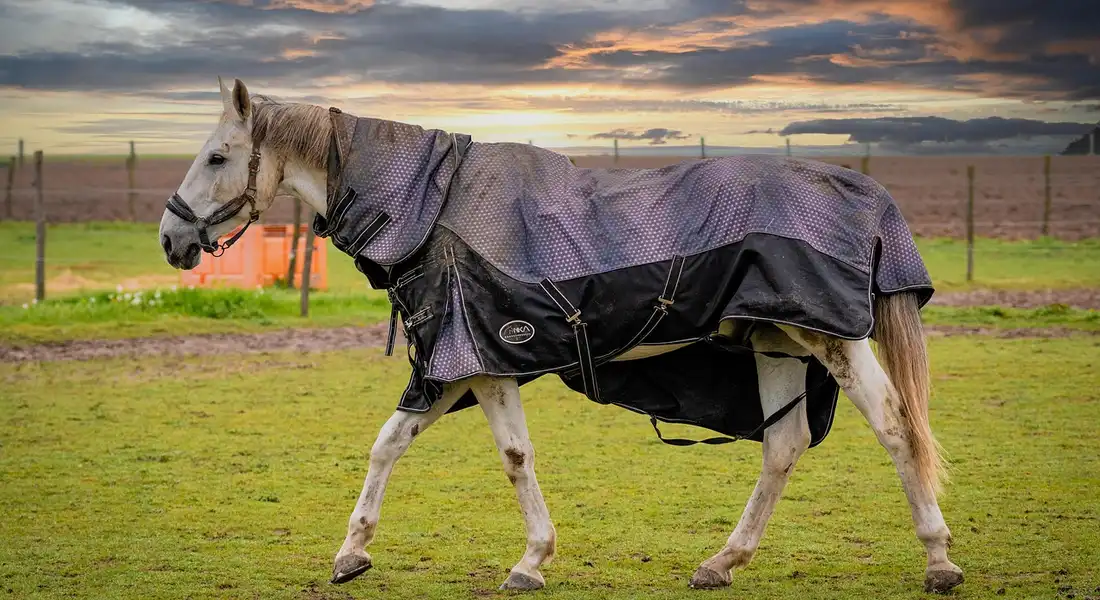
This is where your barn manager instincts kick in. It’s a balance between frugality and functionality. I’ve stared at many blankets, needle in hand, debating their fate. Always let horse comfort and safety guide your choice, not just your wallet.
Weigh the cost of a professional repair against a new blanket. If repair costs half the price of a new one, replacement is often smarter. Assess the extent of damage: is it isolated or widespread? Consider safety risk-a failed belly strap could cause a dangerous trip.
- Repair it: A small tear on a seam, a single broken buckle, or a lost leg strap on an otherwise sound blanket. Rusty’s stable sheet has had the same elbow patch for three seasons.
- Replace it: Multiple holes, lost waterproofing that no re-proofing spray can fix, frayed straps beyond repair, or a lining that’s matted and irritates the skin. A blanket that no longer fits properly is also a hazard.
I once tried to nurse a threadbare blanket through one more winter for economy. The result was a shivering, miserable horse and a vet bill for a chill. When a blanket’s core function-to protect-is compromised, it’s time to retire it with honor.
FAQ: What Are the Signs Your Horse Blanket Needs Replacing?
Is the waterproofing failing, leaving the horse damp?
If water soaks into the fabric instead of beading off, the waterproof layer is likely worn out. A damp blanket traps moisture against your horse’s skin, leading to chilling and potential health risks. Always test waterproofing before wet weather by spraying with a hose or checking for dampness after rain. To keep a wet horse safe, focus on proper drying and gear checks. Our waterproofing tips can help you protect blankets and prevent dampness going forward.
Are the straps, buckles, or leg straps frayed or broken?
Frayed straps or broken buckles can cause the blanket to shift or come undone, posing a entanglement hazard. Regularly tug-test all hardware for weakness, cracks, or rust that indicates imminent failure. Promptly repair or replace damaged straps to ensure your horse’s safety and comfort.
Is the blanket no longer easy to clean due to embedded dirt or odors?
Persistent dirt or odors after washing suggest the fabric fibers are broken down and retaining contaminants. This can lead to skin irritation or mildew growth that compromises your horse’s well-being. Even when thorough cleaning no longer removes embedded grime, the blanket has likely degraded beyond effective use.
Blanket Wisdom for the Long Haul
Check the fit and condition of your horse’s blanket as part of your daily grooming ritual, feeling for any stiffness, rust, or thin spots. Replacing a worn blanket before it fails is a simple act of prevention that spares your horse from a chilly, wet night or a dangerous snag. Knowing when to blanket your horse is just as important as choosing the right one.
Your horse’s comfort and safety are always worth that extra minute of attention. Trust the signs they give you through their coat, their movement, and their peace of mind in their paddock. You’ll learn to sense when something’s amiss by understanding their body language.
Further Reading & Sources
- Horse Blanket Wash – Leg Straps – Blankets Tags | Schneiders Saddlery
- Horse Blanket Replacement Straps and Buckles – Riding Warehouse
- Horse Blanket Accessories – Leg Straps, Replacement Parts & More– HorseLoverZ
- r/Equestrian on Reddit: How do you mark your blankets?
At Horse and Hay, we are passionate about providing expert guidance on all aspects of horse care, from nutrition to wellness. Our team of equine specialists and veterinarians offer trusted advice on the best foods, supplements, and practices to keep your horse healthy and thriving. Whether you're a seasoned rider or new to equine care, we provide valuable insights into feeding, grooming, and overall well-being to ensure your horse lives its happiest, healthiest life.
Equipment