
Clydesdale Horse Conservation Status: Facts, Threats, and How to Help
Published on: July 9, 2026 | Last Updated: July 9, 2026
Written By: Henry Wellington
Hello fellow equestrians, have you ever watched a Clydesdale’s feathered hooves thud softly on the ground and felt a pang of worry about their future? If concerns about losing these gentle giants and our rich equine heritage keep you up at night, I’ve been there too, pacing the barn aisle under similar stars.
We’re going to tackle exactly what that status means and why it matters for everyone who loves horses. Here’s what we’ll cover:
- The precise, current global classification and what those labels truly indicate for the breed’s future.
- The real-world pressures shrinking genetic diversity, from modern farming to breeding trends.
- Actionable steps every horse person can take to support sustainable populations.
My years in the barn managing all types, from high-strung thoroughbreds to wily ponies, have given me a deep, practical respect for preserving every breed’s place in our world.
Understanding the Clydesdale: A Breed Overview
Hailing from the damp, rich farmlands of Lanarkshire, Scotland-where the River Clyde flows-the Clydesdale was bred for power and stamina to haul heavy loads and work the fields. Their history is woven into the very soil they worked, a testament to purposeful breeding for gentle strength. I remember the first time I handled a draft cross; the sheer scale was humbling, but the calm in his eyes reminded me of my old reliable Rusty, just in a much larger package.
Key physical traits set them apart. A mature Clydesdale typically stands 16 to 18 hands high and weighs between 1,800 and 2,200 pounds. Their most famous feature is the luxurious feathering-long, silky hair on their lower legs-that demands careful grooming to prevent skin issues. That feathering requires dedicated care; a quick pick-out won’t do, as trapped moisture can lead to scratches or mud fever. Placing these numbers alongside the average horse height, weight, and breed data provides perspective. It underscores how size and build influence care and training.
Their temperament is famously docile and willing, a non-negotiable trait for a giant animal working closely with people. Historically and today, their uses are versatile:
- Historical: Farm work, hauling freight in cities, and logging.
- Modern: Show and driving competitions, promotional hitch teams, pleasure riding, and as gentle giants in therapeutic programs.
Key Characteristics and Temperament
You can identify a Clydesdale by a combination of striking features. They possess a strong, muscular build with a broad forehead and a straight or slightly convex profile. Common colors include bay, brown, and black, almost always with distinctive white markings on the face and legs. Their feet are large and durable, often described as ‘dinner plates,’ which distribute their weight beautifully on soft ground. For a practical care overview, check out our complete guide to caring for Clydesdale horses.
Despite their immense size, their nature is gentle and keen to please. This is not a breed known for nervous spooking; they tend to be thoughtful and steady. These defining characteristics—temperament and steadiness—or heart of what makes Clydesdales so reliable. Understanding their temperament explains why they thrive as calm, cooperative partners. Working with such a willing mind is a joy-it’s the same patient focus I appreciate in my Quarter Horse, Rusty, just with a higher vantage point. They thrive on clear, calm communication and consistent handling, making them superb partners for dedicated owners.
Who Guards the Breed? Registries and Monitoring
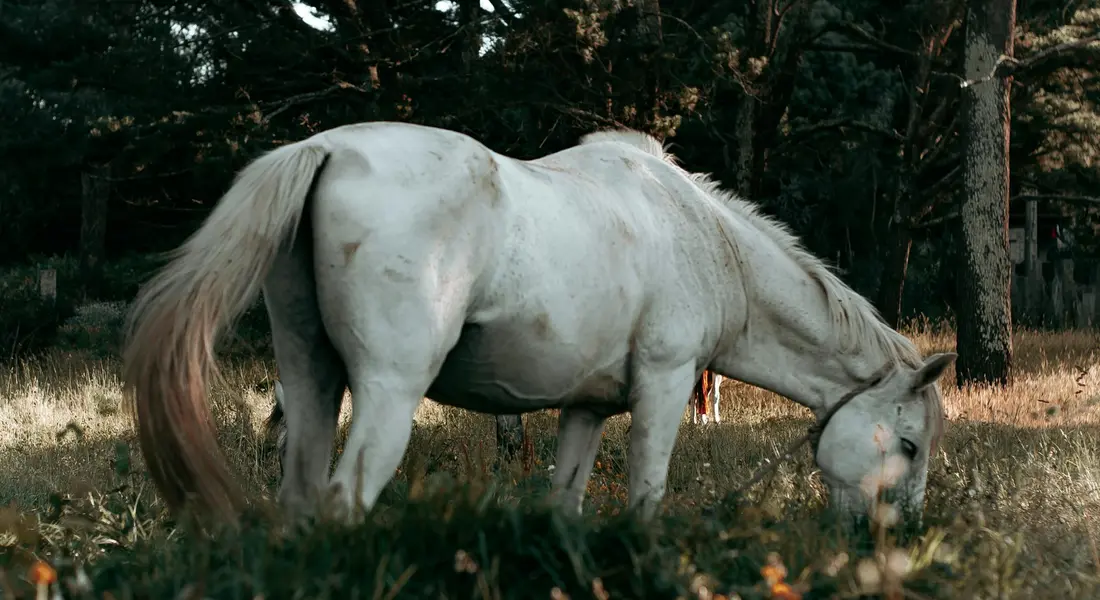
- Major breed registries act as the librarians and historians for bloodlines, meticulously logging every foal to map the genetic landscape of the breed. This detailed bookkeeping is our first defense against a shrinking gene pool, allowing us to spot concerning trends before they become crises.
- They track not just births, but also the movement and use of stallions and mares, creating a clear picture of which lines are thriving and which are fading. In my own record-keeping for the barn, I’ve learned that what gets measured gets managed, and this principle is vital for an entire breed’s survival.
- By maintaining these rigorous genetic records, registries can identify animals that are underrepresented in the population and guide breeders to make pairings that bolster diversity rather than diminish it.
The Role of Breed Registries in Conservation
- The Clydesdale Horse Society in the UK and the Clydesdale Breeders of the USA are the cornerstone organizations, guarding the original studbooks. Their primary job is to authenticate pedigree, ensuring every horse labeled a Clydesdale truly carries the legacy of those Scottish draft horses.
- These societies do more than just stamp papers; they actively support breeding programs by providing resources, organizing shows to promote quality, and setting the breed standard that preserves those iconic feathers and kind expression. It’s a lot like how I manage my herd’s training logs-consistent, clear standards prevent the slow drift away from what makes a breed unique.
- Their function is ultimately one of stewardship, connecting breeders across the globe to work towards the common goal of a genetically robust and sustainable future for the horses we love.
Conservation in Action: Breeding and Programs
- Active conservation looks like targeted breeding programs that prioritize genetic health over quantity. For instance, some programs use calculated pairings of rare bloodlines, treating each mating as a strategic move to strengthen the overall herd’s resilience.
- Goals explicitly focus on maintaining a wide genetic base to avoid the pitfalls of inbreeding, which can amplify health issues. Supporting heritage breed biodiversity isn’t just about saving Clydesdales; it’s about preserving a unique piece of equine history and the options it provides for future generations.
- These efforts often include cryopreservation projects-banking semen and embryos-which acts as an insurance policy against sudden population declines. I think of it like having a backup copy of your most important training plans; you hope you never need it, but its existence allows you to breathe easier.
Steps in Responsible Breeding for Conservation
- Genetic screening and selection comes first. This isn’t just about color or size; it involves DNA testing to identify carriers of genetic disorders and assess kinship coefficients. Responsible breeders choose mates that complement and diversify, not just replicate, the existing genetics.
- Herd size management ensures sustainability. It’s a balancing act-breeding enough animals to maintain a healthy population size without outstripping the demand for these large, sometimes niche, horses. Quality of life and responsible placement for every foal is paramount.
- Collaboration with global breed associations is the final, crucial step. Conservation doesn’t stop at a farm gate or a border. Sharing data, genetic material, and strategies with international registries creates a stronger, more unified safety net for the breed worldwide.
Caring for a Clydesdale: Practical Stewardship
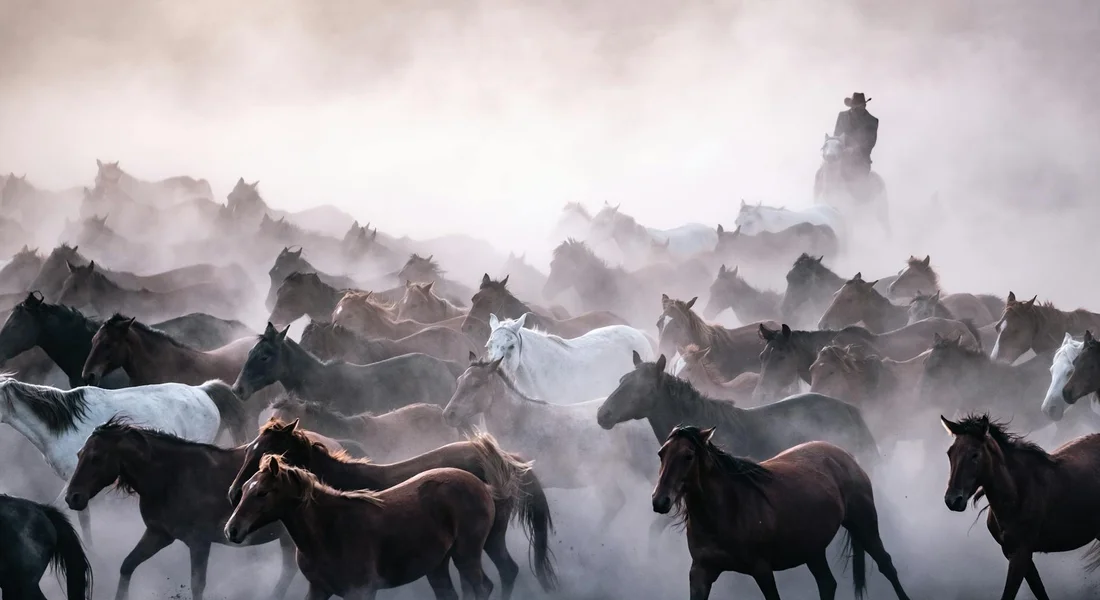
Preserving the Clydesdale breed happens one horse at a time, right in your own barn. Your daily care decisions directly impact the breed’s viability by ensuring each animal remains a healthy, sound ambassador. Conservation isn’t just a concept for registries; it’s in the crunch of a carrot and the sweep of a brush. Creating a safe, enriching environment for your horse is a cornerstone of responsible care. When your barn supports curiosity and comfort, you help preserve the breed for generations to come.
These iconic drafts have non-negotiable requirements that differ from your average saddle horse or other types. Ignoring them doesn’t just risk one horse’s health-it undermines the breed’s reputation for soundness and temperament.
- Robust hoof care: Those massive feet are foundational. They require a skilled, proactive farrier to manage their size and prevent debilitating cracks or laminitis.
- Tailored nutrition for large frames: This means slow, forage-based calories to maintain weight without sparking metabolic issues, plus targeted joint support.
- The critical importance of daily turnout: A Clydesdale without ample movement and social grazing is a prone to stiffness, boredom, and behavioral vices. Turnout is preventive medicine.
Daily Care and Management Tips
After managing a gentle giant named Gus, I saw how small, consistent routines prevent big problems. Draft horse care is less about brute force and more about meticulous, gentle predictability. Here is your essential checklist:
- Farrier Schedule: Book trims every 6 to 8 weeks like clockwork. I learned the hard way that postponing a session for a “busy week” led to a frustrating cycle of crack management on a client’s horse.
- Diet Composition: Build the menu on top-quality grass hay. For most, a ration balancer provides necessary vitamins without the sugar rush of grain. I always feel for a smooth rib cover, as eye-balling weight on such a large body is notoriously tricky.
- Pasture Management: Provide at least two acres per horse if possible, and rotate spaces to avoid creating mud bogs that breed thrush under those feathers.
- Consistent Grooming: Daily attention to the feathers-checking for moisture, debris, and skin health-prevents painful dermatophilosis (rain rot). It’s a bonding ritual they come to enjoy.
- Water and Shelter Access: Their size means they need massive water intake. Ensure tanks are clean, full, and low enough to drink from comfortably, with always-available shelter from sun and storms.
How Every Horse Person Can Support Conservation
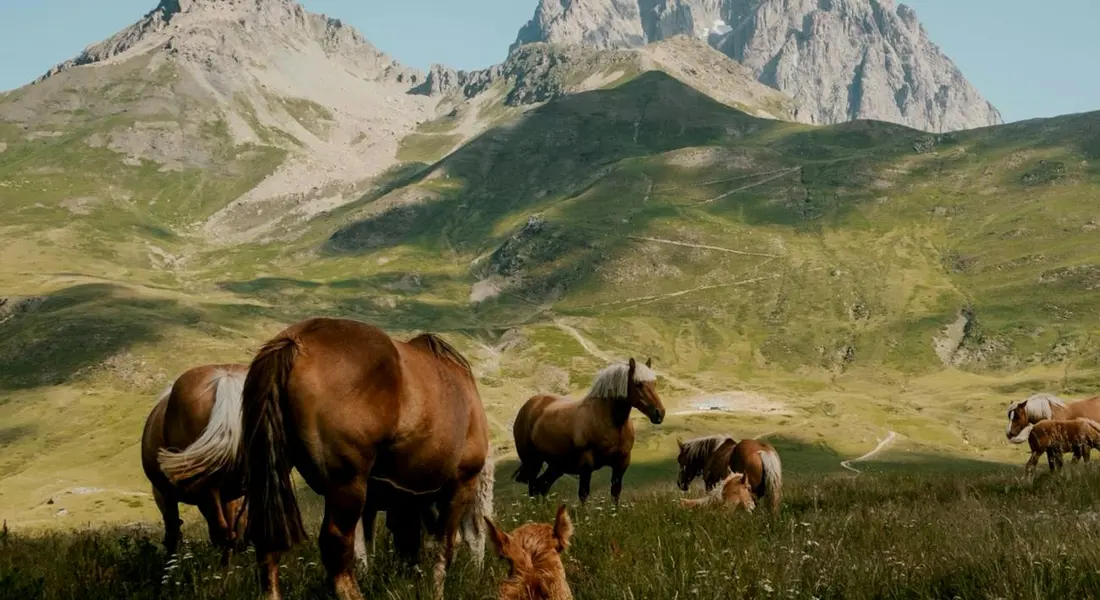
You can champion these horses without a Clydesdale in your stall. Breed preservation thrives on broad community engagement and shared ethical standards. Your actions, multiplied by thousands, create a sustainable future built on sound ethical principles.
- Financially Support Breed Societies: Become a member or donate to organizations like the Clydesdale Breeders of the U.S.A. These groups maintain the studbook and fund vital genetic diversity research.
- Engage in Educational Outreach: Share accurate information. Talk to your 4-H club, write a blog post, or simply correct myths about draft horses being “dull” or “obsolete.”
- Advocate for Ethical Equine Practices: Champion for ample turnout, evidence-based nutrition, and low-stress handling in all equine circles. A culture that prioritizes equine welfare naturally creates a safer environment for at-risk breeds.
- Support Ethical Breeders and Owners: Purchase services or products from those who prioritize health over extreme conformation, and who retire their animals responsibly.
- Volunteer or Spectate: Attend a draft horse show or plowing match. Your presence supports events that keep these horses in the public eye and in purposeful work.
FAQ: Clydesdale Horse Conservation Status
What is the difference between the global and UK conservation statuses for Clydesdales?
The global status, classified as “Not at Risk” by the FAO, reflects a stable population worldwide. In contrast, the UK’s Rare Breeds Survival Trust lists them as “At Risk” due to a limited number of registered breeding mares. This disparity underscores the need for targeted conservation in their native region despite overall global security.
What specific factors threaten Clydesdale genetic diversity today?
Key threats include declining demand in traditional agriculture, which reduces breeding incentives and population size. Breeding trends that prioritize certain aesthetic traits over genetic variety can lead to inbreeding. Additionally, economic pressures and habitat loss further strain the breed’s long-term viability.
How do conservation breeding programs specifically benefit the Clydesdale breed?
These programs use genetic testing to guide pairings, enhancing diversity and reducing hereditary health issues. They manage herd sizes sustainably to avoid overpopulation while ensuring each horse serves a purpose. By collaborating with global registries, they create a robust safety net for preserving bloodlines.
Stewarding the Clyde Legacy
For those caring for these giants, focus on proactive hoof management and providing adequate space for movement to prevent strain. Choosing to breed or purchase Clydesdales through verified registry channels is the single most impactful action an individual can take for breed preservation.
Their care requires a patient, steady hand and a commitment to their distinct needs. Your most important job is to listen-a thriving Clyde shows you through his demeanor and soundness that your stewardship is working.
Further Reading & Sources
- Are Clydesdales Endangered? Preserving a Horse Breed – Sustainable Business Magazine
- Clydesdale horse – Wikipedia
- Preserving Heritage: The Ongoing Conservation Efforts for Clydesdales
- Clydesdale Horse – The Livestock Conservancy
At Horse and Hay, we are passionate about providing expert guidance on all aspects of horse care, from nutrition to wellness. Our team of equine specialists and veterinarians offer trusted advice on the best foods, supplements, and practices to keep your horse healthy and thriving. Whether you're a seasoned rider or new to equine care, we provide valuable insights into feeding, grooming, and overall well-being to ensure your horse lives its happiest, healthiest life.
Breed-Specific Care