
Your First Vet Visit: A Step-by-Step Checklist for New Horse Owners
Hello fellow equestrians! That first vet appointment for your new horse can tie your stomach in knots. You’re balancing excitement with nerves about costs, procedures, and whether you’ll catch every important health detail.
I remember pacing the aisle before Rusty’s first visit, wondering if I’d forgotten something vital. Let’s turn that worry into preparedness. In this guide, I’ll share my barn-tested checklist so you can walk in feeling confident. We’ll break down:
- Selecting an equine veterinarian who aligns with your horsemanship values.
- Prepping your horse and your paperwork in the days before the appointment.
- Essential items to have ready in your tack room or trailer.
- The core questions to ask to establish a true health baseline.
- Understanding common results and planning for preventative care.
With years of barn management and training under my belt, I’ve learned that a calm, prepared owner makes the entire experience safer and more effective for everyone involved.
Why That Initial Vet Visit Matters More Than You Think
Think of this first appointment as the foundation for everything that follows. It’s not just a checkup; it’s where you and your vet establish a health baseline for your horse. A subtle lameness today might be the key to diagnosing arthritis a year from now. That baseline is your most powerful tool for spotting subtle changes before they become big, expensive problems.
I learned this with Luna, my sensitive Thoroughbred. During her intake exam, our vet noted she was just a touch “off” on her right front, something I’d chalked up to fresh energy. It was a minor muscular strain, easily treated with a few days of rest. Catching it early meant we adjusted her warm-up routine and avoided a full-blown injury. That visit built a relationship where I trust their eye, and they trust my observations.
This visit is the cornerstone of intelligent, preventive care. It’s your best chance for a hands-on education. You’ll learn what your horse’s normal vital signs are, how to properly check them, and what questions to ask. Investing time here builds a partnership that prioritizes your horse’s long-term comfort and career, setting the stage for a healthier, happier life together.
The Paper Trail: Gathering Your Horse’s Full Story
Walking into this visit prepared is one of the greatest acts of gentle horsemanship you can show. It tells your vet, and your horse, that you are a careful student. A disorganized owner creates a stressed horse and a rushed appointment. Being organized shows you know your animal and respect everyone’s time. Of course, preparation starts with knowing when to call the vet.
Having all your documents in one folder, digital or physical, transforms you from a nervous new owner into an informed partner in your horse’s care. Use this checklist to gather everything *before* you even call to schedule the appointment.
Core Identification and History
Start with the basics, but think about what they mean for care. A 12-year-old Quarter Horse like Rusty has different needs than a 6-year-old Thoroughbred like Luna.
- Full Name & Barn Name: Seems obvious, but get it right for records.
- Exact Age or Best Estimate: This dictates vaccination schedules, dental work intensity, and diet formulation.
- Breed & Primary Use: Is he a trail companion like Rusty, or an athletic project like Luna? This guides discussion on conditioning and joint care.
- Markings & Photos: Detailed color description and clear photos of all sides are vital for official records and identification.
- Previous Illness/Injury History: Even if you think it’s healed. That old bowed tendon or bout with colic matters.
- Behavioral Notes: Does he hate his feet handled? Is he needle-shy? This helps the vet work safely and calmly.
Preventive Care History
This is non-negotiable information. Guessing here can lead to over-vaccination or under-protection. Dig up any old records from the previous owner or barn.
- Vaccination Record: List every shot, with the specific disease (e.g., “EWT/WNV,” “Rabies”) and the date it was administered. Your vet will use this to plan the next ones.
- Deworming Schedule & Results: Note the last dewormer used (the drug name, not just “paste”) and the date. If you have results from a recent fecal egg count, that’s gold-star information.
- Dental Care Records: When was his last float? Were any hooks or waves noted? This directly ties to nutrition and comfort.
- Hoof Care Schedule: Is he on a regular 6-week trim with a farrier? Are he wearing shoes? Note any past issues like laminitis or navicular.
Bringing a complete history allows your vet to craft a parasite control and care plan tailored to your horse, not a generic barn-wide protocol.
Daily Life Details
How your horse lives day-to-day is critical diagnostic context. The vet needs to see the whole picture.
- Current Diet: Be precise. Type of hay (grass, alfalfa, mix), pounds per day, and any grain/supplements (brand, amount, times fed). “Some hay and a scoop of grain” isn’t enough.
- Exercise Routine: How often is he ridden or turned out? For how long and at what intensity?
- Living Situation: This is where I advocate hardest. Detail turnout time: 24/7 pasture, 12 hours in/out, or mostly stalled? Describe shelter and pasture mates.
- Herd Dynamics: Is he the boss or is he picked on? Stress from herd hierarchy can manifest in subtle health ways.
- Your Observations: Note any quirks: Is he a slow eater? Does he lie down more than others? Any slight stiffness when he first walks out of the stall? These are your clues.
These daily details connect the dots between environment, behavior, and physical health, turning a simple exam into a holistic assessment.
Pre-Visit Prep: Getting Your Horse (And Yourself) Ready
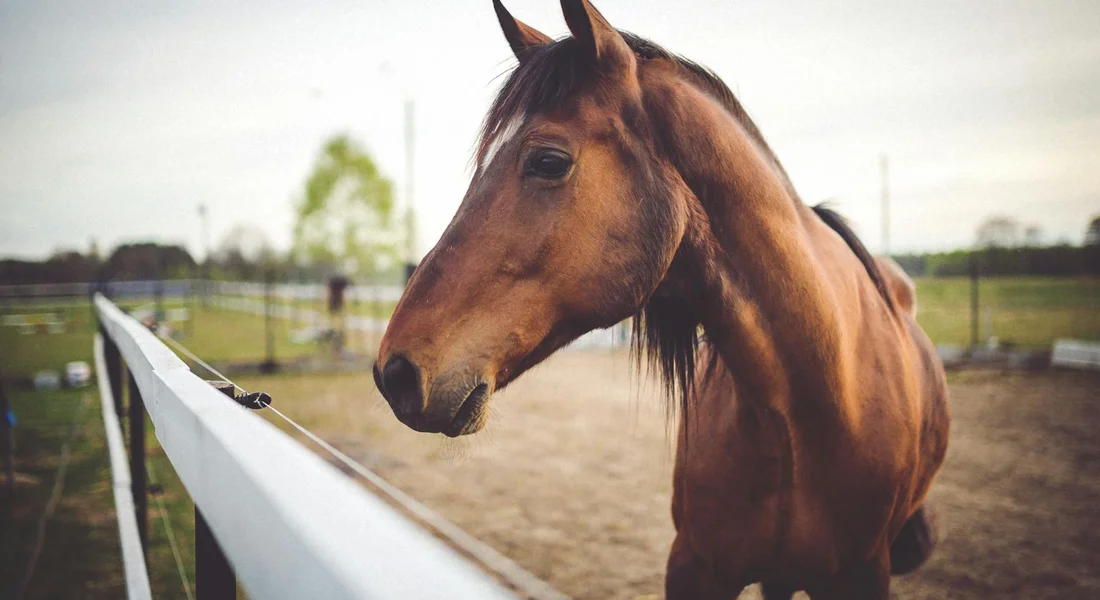
Think of vet day like preparing for a respected guest who’s also going to give your horse a thorough inspection. A little planning prevents chaos and keeps everyone, especially your horse, calm. My rule is simple: your horse’s routine comes first. Schedule the appointment for a time when your horse is usually relaxed, ideally after morning feeding and turnout, not during their usual nap or wild hour. When you’re planning, link vet day to your horse’s daily feeding routine to keep things predictable. A solid feeding schedule can anchor your whole daily routine, even on vet days.
Scheduling and Setting the Scene
When you call, be ready to say it’s a new horse visit and list any immediate concerns. A good vet will block more time for a new patient. Most vets prefer farm calls for routine exams, but know your closest clinic’s location for true emergencies. Having a clean, well-lit area ready is non-negotiable-a swept aisle, a tidy stall, or a flat, dry patch of paddock tells your vet you’re organized and keeps their tools clean. For my herd, I use the wash rack for Luna (she stands well there), but for Pipin, I need a small, enclosed space or he’ll try to negotiate his way back to the feed room.
Hands-On Horse Preparation
The day before, give your horse a proper groom. This isn’t about shine; it’s about removing caked mud where a needle might go and checking for new scrapes. Pick all four hooves meticulously. The morning of, practice asking your horse to stand square and yield their head, neck, and feet to your touch. This hands-on prep is less about cleanliness and more about building a calm, cooperative mindset before the professional arrives. Do a quick mental assessment: is their appetite normal? Are manure piles consistent? Is there any unusual swelling or stiffness? This info is gold for your vet.
Walk Through the Barn Door: What Actually Happens During the Exam
The vet’s truck rumbling down the drive is always an event. You’ll hear the clink of their kit and the soft creak of leather bags. Your main job is to hold your horse, provide information, and learn. Watching a skilled vet work is a masterclass in observation. Seeing the exam process demystifies it, turning anxiety into understanding, and helps you become a better daily health monitor for your horse. That awareness naturally leads you to consider the initial and ongoing veterinary care needs for a horse. Planning for these needs makes daily monitoring and routine visits smoother.
The Nose-to-Tail Physical
The exam usually starts with vital signs. You’ll hear the rustle of the stethoscope as they listen to heart and lungs, and the quiet counting of breaths. They’ll check capillary refill in the gums and feel for digital pulses in the legs. Listening to gut sounds in all four quadrants is a critical check on digestive health-the absence of those gurgles is a red flag. They’ll peer into eyes with a light, palpate limbs for heat or swelling, and check teeth for sharp edges or abnormalities. Each step is a puzzle piece building a picture of your horse’s baseline health and conditioning. For hands-on practice, you can follow a step-by-step guide to taking your horse’s vital signs to walk you through the checks you just read about. It’s designed for home use or with your veterinarian.
Hoof, Lameness, and Procedural Care
The vet will watch your horse move, often on a loose line on firm, flat ground. They’re looking for symmetry, fluidity, and any hint of a head nod or hip hike that suggests pain. Think of the lameness exam like tuning a car engine—they’re isolating which “cylinder” isn’t firing right. Flexion tests apply gentle stress to joints to reveal hidden soreness. Common procedures like vaccinations and deworming are quick, but always ask what’s being given and why it’s chosen for your region and your horse’s life stage. Drawing blood for a Coggins test is standard; this paperwork is your horse’s passport for travel. Throughout, a calm handler makes every procedure smoother and safer.
The Bill and Beyond: Understanding Costs and Follow-Up Care

Let’s talk dollars and sense. Your vet invoice isn’t just a bill; it’s a direct investment in your horse’s long-term wellness and your own peace of mind. Viewing routine care as a non-negotiable part of ownership prevents far costlier emergency visits down the line. I remember the first wellness check for my thoroughbred, Luna; the total made me gulp, but that baseline health snapshot became priceless when managing her sensitive system later.
Costs vary wildly by region and service, but you’re generally paying for expertise, time, medications, and travel. Don’t hesitate to ask for a rough estimate before services are rendered. A good vet will be transparent about fees and happy to explain why each charge is necessary for your horse’s care. The real work, and where your investment pays off, begins the moment the vet trailer drives away. Ongoing veterinary costs are part of horse ownership. Being aware of these ongoing costs helps you budget for routine care and emergencies.
Post-visit action turns advice into results. A perfect care plan left in a folder does nothing for the horse in the paddock. Your commitment to executing the follow-up steps is what truly safeguards your horse’s health. This is where gentle, consistent horsemanship shines, ensuring treatments are given calmly and observations are made thoughtfully.
Deciphering Paperwork and The Invoice
That stack of paper is your horse’s health biography. Keep it organized in a dedicated binder or a scanned digital folder. I have a simple rule: every receipt and report goes into Rusty’s file immediately, because you will never remember the details of that deworming paste in six months. An organized history helps any vet spot patterns quickly.
Read the invoice line by line. You should see itemized charges for the farm call, exam, vaccinations, fecal test, or any procedures. Understanding each charge demystifies the process and helps you budget for future visits. If something is unclear, a quick call to the clinic for clarification is perfectly normal.
Among the paperwork, identification documents or microchip registration forms are golden. In the awful event your horse gets loose, a microchip is the fastest ticket home, and updated medical records are crucial for any treating veterinarian. Tuck these documents in a safe place with your other important papers.
Your At-Home Action Plan
Now, roll up your sleeves. Your vet has provided the map; your job is to walk the path. Start by creating a visible reminder for any immediate tasks. I use a dry-erase board on my feed room door to list medication times for the week, so no dose is ever missed. Here is your essential to-do list:
- Administer Medications Precisely: Follow dosage and timing to the letter. For oral pastes, I hide Pipin’s dose in a handful of soaked beet pulp to outsmart his cleverness.
- Schedule the Next Dates: Mark your calendar for booster shots, dental float appointments, or re-check exams before you forget.
- Observe with a Keen Eye: For 24-48 hours post-visit, watch for changes in appetite, energy, or injection sites. Luna sometimes gets a bit quiet after shots, which I now know is her normal response.
- Adjust Management as Advised: This may mean increasing turnout for a stiff horse or transitioning to a specific feed over 10-14 days.
Finally, use this visit as a springboard to craft a simple emergency plan. Post your vet’s number, the closest equine hospital address, and a basic first-aid protocol in your tack room where every caregiver can see it. Also include a brief at-a-glance emergency first-aid checklist you can use while waiting for the vet. These quick actions help keep the horse calm and stable until professional care arrives. This turns panic into procedure, ensuring your horse gets the right care fast, any time of day or night.
Frequently Asked Questions About Your First Vet Visit
What is your horse’s primary use (e.g., trail riding, competition, companion)?
This detail helps your vet assess the physical demands and stress levels associated with your horse’s activities. It guides tailored advice on conditioning, joint care, and injury prevention specific to disciplines like trail riding or competition. Clearly stating the primary use ensures your horse’s health plan supports their daily role and long-term well-being.
What is your horse’s vaccination history?
Providing a complete vaccination record prevents over-vaccination and ensures your horse is protected against region-specific diseases. It allows your vet to plan booster shots accurately based on previous dates and types of vaccines administered. This history is foundational for establishing a safe, effective preventive care schedule tailored to your horse’s lifestyle.
What is your horse’s current diet?
Sharing specifics about your horse’s diet, including hay, grains, and supplements, helps the vet evaluate nutritional balance and digestive health. This information identifies potential gaps or excesses that could affect weight, energy, and overall condition. A clear diet overview enables personalized recommendations to optimize wellness and support your horse’s daily needs.
A Foundation for Future Wellness
Your first veterinary appointment is a practical step toward lifelong care, not a test. Walking in with a detailed checklist of your horse’s routine, diet, and any subtle changes you’ve seen turns a simple exam into a proactive health plan. It also helps when you know how to prepare your horse for a safe and calm vet examination.
Build this relationship slowly, prioritizing your horse’s comfort and safety above all else. The soft nicker or wary eye your horse gives can tell you more than any chart, so trust that partnership.
Further Reading & Sources
- How much is this vet visit going to cost? | The Horse Forum
- When to Call the Equine Vet
- American Association of Equine Practitioners – Raising the Standard in Horse Health
- When To Call The Vet Common Horse Emergencies – Cleveland Equine Clinic
At Horse and Hay, we are passionate about providing expert guidance on all aspects of horse care, from nutrition to wellness. Our team of equine specialists and veterinarians offer trusted advice on the best foods, supplements, and practices to keep your horse healthy and thriving. Whether you're a seasoned rider or new to equine care, we provide valuable insights into feeding, grooming, and overall well-being to ensure your horse lives its happiest, healthiest life.
Health