
How to Spot and Soothe Separation Anxiety in Your Horse: A Barn Manager’s Guide
Hello fellow equestrians. Does your horse transform into a sweaty, vocal wreck the moment their buddy leaves the paddock? You’re not just seeing stubbornness-you’re witnessing genuine distress that risks their safety and your peace of mind.
That hollow feeling when you hear frantic neighing is a signal you should never ignore. Left unchecked, this anxiety can lead to dangerous fence walking, colic from stress, or a horse that’s simply miserable.
Here, I’ll break down the process into manageable steps. We’ll cover:
- Decoding the body language that screams “I’m panicking,” from subtle ear flicks to dramatic explosions.
- Practical, in-the-moment calming techniques you can use at the hitching post or in the stall.
- Proven training drills to teach your horse that being alone is safe, not scary.
- Adjusting your barn routine and setup to prevent anxiety from taking root.
I’ve managed this tension for years with everything from high-strung thoroughbreds to clever ponies, learning that a gentle, consistent approach is the only way to build real confidence.
What Separation Anxiety Really Means for Your Horse
We throw the term “separation anxiety” around, but to truly help our horses, we need to see it through their eyes. It’s not a behavioral flaw or a sign of a “bad” horse. It’s a primal panic response rooted in thousands of years of survival programming. To help them, we must understand how to manage separation anxiety in horses. With practical, compassionate strategies, we can build calmer, more confident partners.
The Herd Animal Instinct: Why Being Alone is Stressful
In the wild, a lone horse is a dead horse. The herd is safety, warmth, and social order. When we separate a horse from its buddies, we’re triggering a deep-seated alarm that says, “You are vulnerable to predators.” The whinny isn’t just a call; it’s a distress beacon. The pacing isn’t boredom; it’s a desperate search for the missing security of the group. Managing separation anxiety starts with respecting this instinct, not fighting against it. I’ve seen stoic old trail horses like Rusty transform into sweating, trembling messes when his particular pasture mate is hauled away—proof that this need for specific companionship runs deep, underscoring how crucial herd dynamics are for horses.
Separation Anxiety vs. General Nervousness: Knowing the Difference
Not every spook or fret is separation anxiety. The key is in the trigger and the consistency. A generally nervous horse might jump at a plastic bag whether his friend is there or not. A horse with separation anxiety is typically calm *in* the herd but becomes unglued the moment specific social contact is lost.
- General Nervousness: Reacts to external stimuli (noises, objects). Comfort may come from the rider’s presence or a familiar routine.
- Separation Anxiety: Reacts to the *absence* of a specific social anchor. Your presence might not comfort them if their equine friend is gone.
Luna, my sensitive Thoroughbred, can be nervous about many things, but she’ll work through them if I’m patient. Her separation anxiety, however, is a different monster-it’s a complete focus on the void where her buddy was, making her deaf to my cues.
Decoding the Language of Worry: Recognizing the Signs
Horses scream their anxiety in body language long before they resort to dangerous behavior. Learning this vocabulary is your first and most powerful tool to understand if your horse is happy.
Clear Behavioral Red Flags
These are the undeniable, often noisy, signs that your horse is in distress.
When Left in the Stall or Paddock
- Constant, frantic calling (whinnying) directed where the buddy went, not a casual greeting.
- Pacing or fence-walking a worn path along the fence line or stall door.
- Destructive behaviors: Door kicking, wall kicking, digging, or obsessively chewing wood.
- Failure to eat or drink even when offered favorite treats or hay.
During Hand-Walking or When You Step Away
- Dragging or planting: They physically pull toward their herd or refuse to move away.
- Spinning or bolting back to the perceived safety of the barn or paddock.
- Inattention and rushing: They move with their head high, ears locked backward, ignoring your guidance.
- Sweating and trembling on a cool day, with no physical exertion to cause it.
Subtle Physical and Emotional Clues
These quieter signs are equally telling. You have to look closer, past the obvious noise.
Watch for a tight, raised head carriage and a hollowed back, like they’re ready to explode. Their eyes will be wide, showing white, and their nostrils may be flared even at rest. Listen for rapid, shallow breathing instead of quiet snorts. The most telling subtle sign is a complete disconnect from their environment-they won’t drop their head to graze, investigate a bush, or acknowledge a scratch. They are locked in a tunnel of panic. I once missed Pipin’s subtle anxiety because he wasn’t calling; he was just standing statue-still, muscles quivering, holding his breath until his buddy returned. It was a silent scream.
Root Causes and Risk Factors: Why Your Horse Might Be Prone
Management and Lifestyle Triggers
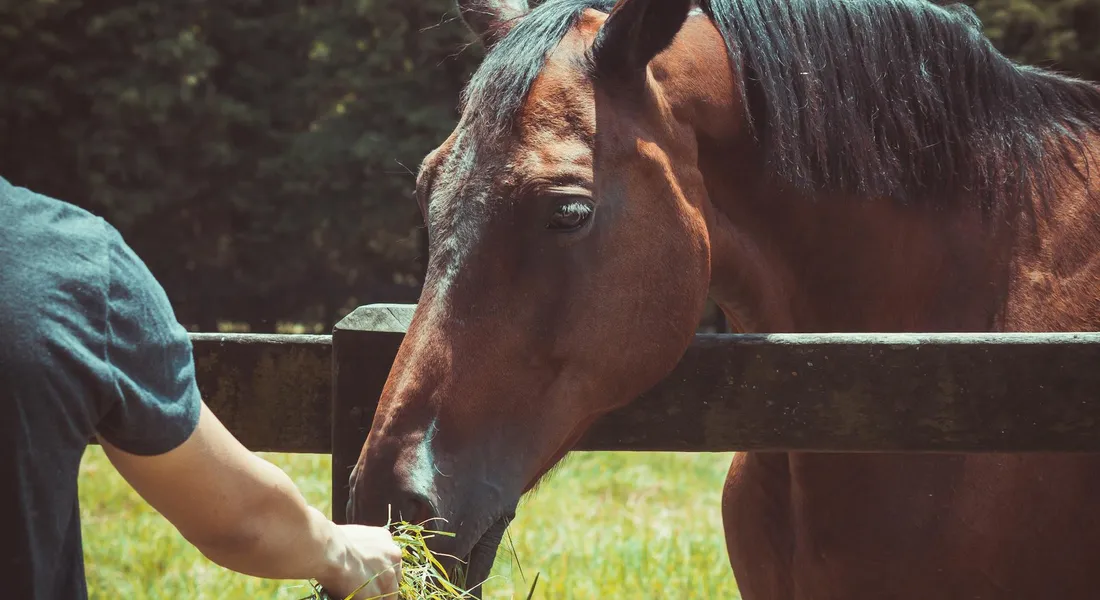
Think about your barn’s daily rhythm. Is your horse alone in a stall for hours, listening to the silence while others are turned out? That isolation is a prime trigger. Horses evolved to live in roaming herds, and modern stabling can fight that instinct. A sudden shift in routine-like a favorite pasture buddy being sold-can spark panic I’ve seen firsthand. Inconsistent turnout schedules are a common culprit, leaving a horse unsure when social connection will come next.
Limited forage access plays a bigger role than many realize. A horse with an empty hay net has nothing to distract a worried mind. I learned this with a boarder’s gelding who would weave violently when alone; providing a slow-feed hay net changed the game. Their digestive system needs constant trickle-feeding, and an empty gut can amplify anxiety.
- Minimal or no herd turnout time.
- Frequent changes in herd composition or stall location.
- Long periods without forage to simulate grazing.
- Inconsistent daily routines for feeding, work, or turnout.
Individual Horse Personality and History
Just like people, horses have unique emotional blueprints. My sensitive Thoroughbred, Luna, startles at a plastic bag, so separating her from her calm quarter horse anchor requires patient, incremental steps. A horse with a history of frequent rehoming or trauma may cling to any new friend for security. Past negative experiences, like being isolated during a veterinary emergency, can create lasting mental scars.
Some breeds or types are simply more predisposed. High-strung, hot-blooded horses often struggle more than steady, cold-blooded types. Age matters, too; young horses learning herd dynamics and older horses losing confidence are both vulnerable. Recognizing your horse’s innate personality-whether it’s Pipin’s clever mischief or Rusty’s steady reliability-helps you predict and manage their stress points.
I remember a rescued mare who would sweat through her blanket if she lost sight of my donkey. Her history as a solitary animal before coming to us made her bond pathologically strong. We had to rebuild her confidence in tiny, positive increments, proving she was safe even when alone.
The Ripple Effect: How Chronic Anxiety Impacts Health
Short-Term Stress Responses
Watch for the immediate signs when you lead your horse away from the herd. The whites of their eyes showing, a high-pitched whinny that cracks the barn silence, and sweat darkening their coat on a cool morning. They might pace, paw, or call relentlessly. This constant state of alert floods their body with cortisol, the stress hormone, which directly suppresses digestion.
You’ll see practical training setbacks. An anxious horse cannot focus on your cues; their brain is locked on the perceived threat of isolation. They may become bargy on the lead, refuse to load, or spook at nothing. That thudding hoof against the stall wall isn’t just noise-it’s a clear signal of distress that risks injury. Speaking of safety, techniques to stop a horse from bucking when stressed are a natural next step to keep training on track. Mastering calm responses also reduces bucking risk and builds confidence for both horse and handler.
- Elevated heart and respiratory rates even at rest.
- Refusal of food or water when separated.
- Hyper-vigilance and reduced reaction threshold to normal stimuli.
- Repetitive behaviors like weaving, stall-walking, or digging.
Long-Term Risks to Well-Being
When short-term panic becomes a daily pattern, the body starts to break down. The most common issue I’ve dealt with is gastric ulcers. Constant stress increases stomach acid while decreasing protective mucus production. A horse living in a state of low-grade panic is essentially marinating their own stomach in acid.
Chronic anxiety also sabotages the immune system, making them more susceptible to every bug going around the barn. Weight loss follows, as calories burn on worry instead of nourishment. Over years, this sustained stress can contribute to conditions like laminitis or colic, turning a behavioral issue into a veterinary crisis.
I think of an older pony I cared for who developed a stereotypic cribbing habit after years of solitary confinement. The behavior became a physical addiction, wearing his teeth and affecting his nutrition. Addressing separation anxiety isn’t just about peace and quiet-it’s a direct investment in their long-term physical resilience.
Your Barn-Tested Management and Training Plan
Step 1: Build a Foundation of Security and Routine
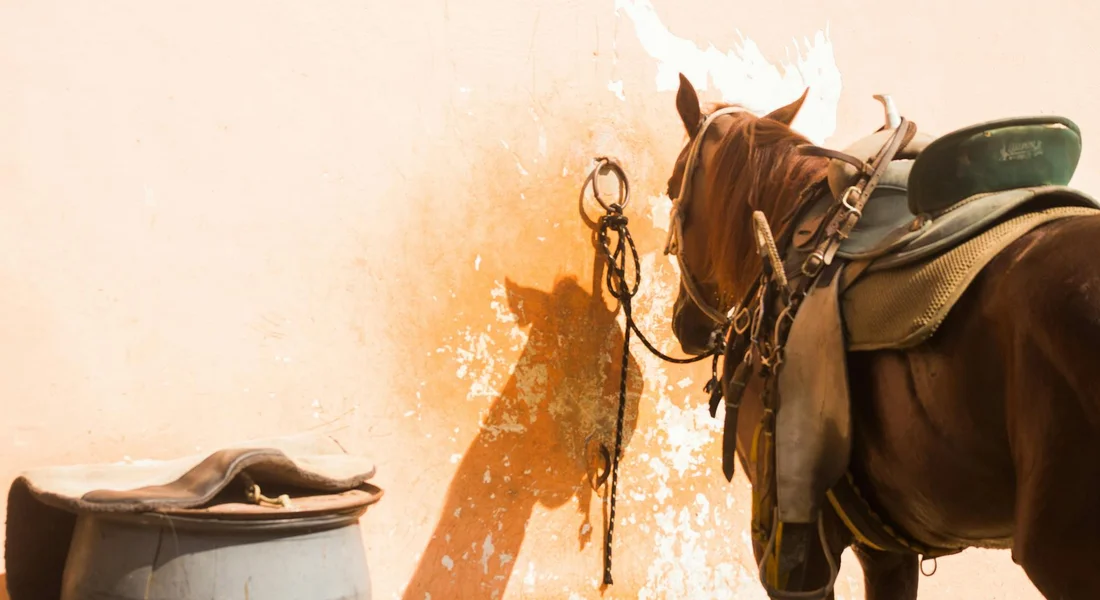
Horses are creatures of habit, and a predictable daily schedule is your first line of defense. Feed, turn-out, and work sessions should happen at roughly the same times each day. I learned this with Luna; her thoroughbred mind would spin into worry if her morning grain was even twenty minutes late. A solid routine tells your horse, “You are safe here, and your needs will be met.” Consistency in the small things builds a bedrock of trust that makes bigger separations feel less frightening. Start by auditing your own barn schedule-are you chaotic or clockwork? Pair this with a simple feeding schedule to keep meals steady. A brief daily feeding schedule guide can help you craft the perfect routine.
- Feed at consistent times, even on weekends.
- Perform chores in the same order daily (e.g., muck, then feed, then turn out).
- Use clear, calm cues when moving your horse to and from the pasture.
Step 2: Implement Smart Environmental Enrichment
A bored horse is an anxious horse. Enrichment isn’t just toys; it’s about mimicking natural foraging behavior to keep their brain and body busy. I swear by slow-feed hay nets for all my guys-they turn a quick meal into hours of engaged nibbling. A well-designed pasture turns turnout into true enrichment. Create an enriching pasture environment to encourage grazing, movement, and social interaction. Turnout is non-negotiable enrichment; it allows for movement, social interaction, and the simple pleasure of feeling the sun. For stall-bound horses, get creative.
- Install a secure salt lick and a always-full water bucket.
- Rotate safe stall toys, like a hanging jolly ball or a treat-dispensing puzzle.
- If possible, offer a view of other animals or activity from their stall.
Step 3: Practice Gradual Desensitization and Separation
This is where the real training begins. You must teach your horse that being alone is temporary and safe. Start with tiny, manageable separations. I practiced this with Pipin by walking just out of his sightline for five seconds, then returning with a scratch before he could even think about whinnying. The key is to return and reward before the anxiety escalates, building positive associations with your brief absences. Gradually increase the distance and time and be mindful of any signs of anxiety or stress.
- Stand across the aisle while your horse eats in his stall.
- Step outside the barn door for one minute, then return.
- Lead your horse to a paddock, untie him, and walk to the gate while he explores.
- Eventually, have a helper hold his buddy while you take him for a short, calm solo walk.
Step 4: Foster Healthy Companionship and Herd Dynamics
Horses are herd animals, but we must manage their social bonds so they don’t become debilitating dependencies. If your horse is glued to one particular friend, start by mixing up the turnout groups occasionally. A horse who learns to relax with several herd mates is less likely to panic when his best friend is pulled for a lesson. I introduced Rusty to a calm older mare, and his confidence on the trails improved because he wasn’t solely relying on his pasture buddy.
- If possible, maintain a small, stable herd for turnout.
- Consider a calm goat or donkey as a companion for a horse who lives alone.
- Never separate bonded pairs abruptly; use adjacent paddocks or stalls with mesh windows so they can still see and touch.
Step 5: Consider Supportive Supplements and Tools
View these as aids, not solutions. A magnesium-based calming supplement can take the edge off for a horse like Luna during a known stressful event, like a farrier visit. Adaptogen herbs or a pheromone diffuser in the barn aisle can also promote a sense of calm. These tools work best when layered on top of a solid training and management plan, not as a replacement for it. Always consult your vet before starting any new supplement.
- Research ingredients like L-Theanine, magnesium, and thiamine for nervous system support.
- A well-fitted ear cover or quarter sheet can provide a sense of security for some horses.
- Classical music played at a low volume in the barn can mask unsettling outside noises.
Navigating Specific High-Stress Situations
Easing Anxiety at Horse Shows and Events
The chaos of a showground-the flapping tents, the loudspeakers, the strange horses-is a perfect storm for separation anxiety. Preparation is everything. Bring the familiar: his own hay, water from home, and the same feed tub. I always set up Rusty’s stall with his favorite hanging toy and a fleece cooler that smells like our barn; these sensory anchors ground him. Spend the first hour just letting him watch the activity from a safe distance.
- Arrive early to allow for quiet acclimation before your class.
- Keep a consistent handler; avoid passing the lead rope around to different people.
- If he stalls with a buddy, park your trailers side-by-side so they can see each other.
Managing Fear During Trailering and Travel
Trailer anxiety is often about confinement and unstable footing, not just separation. Make the trailer a happy place year-round. Feed meals in it, park it with the ramp down so horses can explore, and practice loading for fun. For actual travel, I use deep, comfortable bedding to absorb shock and ensure plenty of ventilation to prevent that closed-in feeling. A calm companion traveler is ideal, but if traveling solo, a mirror in the trailer can sometimes trick a horse into thinking he’s not alone.
- Practice loading and unloading weekly, rewarding with high-value treats.
- Use a head bumper or protective wrap to prevent injury if they scramble.
- Offer wet hay nets during the trip to promote hydration and keep them occupied.
- Take breaks on long hauls to offer water and let them rest with all four feet on solid ground.
Calming Nighttime Worries in the Stable
The quiet of night can amplify a horse’s loneliness. A simple night check does wonders-just hearing your voice and seeing your flashlight beam can reassure them. For chronic nighttime worriers, consider a stablemate. Leaving a dim, safe light on in the aisle can prevent panic from sudden shadows or noises. I once had a boarder’s horse who settled immediately when we stalled him next to a sleepy, snoring donkey.
- Perform a final check after dark, refilling hay and water.
- If stabled alone, leave a radio on at low volume for comforting background noise.
- Ensure windows or stall grates allow visual contact with another animal, even if it’s the barn cat.
Enlisting Professional Guidance: When and Who to Call
Working with a Qualified Trainer or Behaviorist
If your horse’s distress doesn’t ease after adjusting turnout and routine, professional help is your next logical step. Seeking a skilled trainer or behaviorist is a proactive choice for your horse’s mental health, not a mark of failure. You want someone who speaks the language of equine anxiety with fluency and compassion.
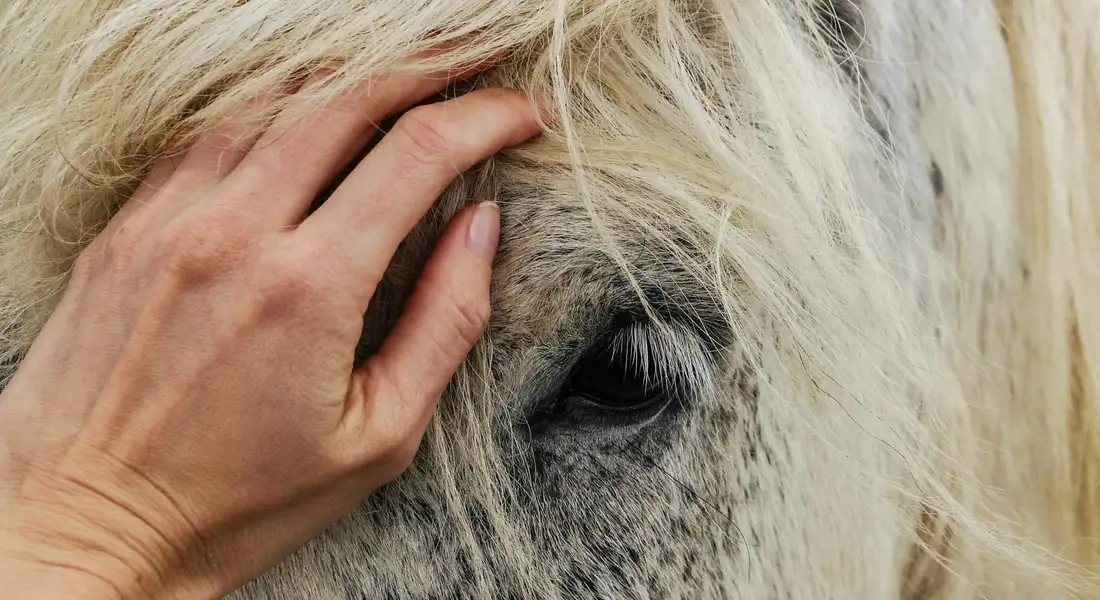
I learned this with Luna, whose dapple grey coat would darken with sweat at the mere sight of a halter. A qualified behaviorist helped us see her world through her eyes, designing tiny, victorious separations that built her confidence. We used patience, not pressure, rewarding calmness with rest instead of just carrots.
- Vet their philosophy first: Choose professionals who advocate for low-stress, positive reinforcement techniques over dominance-based training.
- Demand transparency: A good trainer will explain their process and set realistic timelines for progress, understanding that a horse like Pipin needs clever mental distractions.
- Look for herd knowledge: The best consultants understand that anxiety is often a herd dynamic issue, not just an individual one.
Their job is to give you the tools, not create a horse dependent on their presence. You should leave each session with clear, actionable steps you can practice in your own barn aisle.
Veterinary Consultation and Medication Options
Always start with a veterinary exam to rule out hidden pain. Anxiety is often a symptom, and issues like ulcers or lameness can manifest as frantic behavior when separated. I recall Rusty becoming oddly clingy, which we later traced to a subtle soreness in his shoulder that made him feel vulnerable.
Your vet can perform a comprehensive work-up, from listening to gut sounds to checking for musculoskeletal pain. This medical detective work is essential to ensure you’re treating the right problem. Only after a clean bill of health should you consider anxiety-specific interventions.
In severe cases, medication can be a short-term aid. Veterinary-prescribed medications like certain antidepressants can lower the anxiety ceiling, making your horse’s brain more receptive to training. Think of it as calming the storm so you can teach navigation skills.
- Explore all avenues: Your vet may recommend starting with calming supplements, magnesium, or pheromone therapy before moving to prescriptions.
- Commit to combination therapy: Medication is rarely a standalone fix. It must be paired with consistent behavioral work and maximum turnout for social grazing.
- Monitor with a hawk’s eye: Keep a detailed log of your horse’s behavior, appetite, and demeanor to track the medication’s effect and any side effects.
My core belief remains: pills are not a substitute for pasture. The foundation of any anxiety management plan must be a horse’s basic welfare needs-herd contact, movement, and forage-met without compromise. Use pharmaceutical help wisely, as a temporary scaffold while you rebuild your horse’s sense of security.
FAQ: How to Recognize and Manage Separation Anxiety in Your Horse
What are the signs of separation anxiety when my horse is apart from me specifically?
Your horse may display focused distress behaviors like persistent whinnying directed at your departure path or attempting to follow you. They might show physical tension such as sweating or trembling without physical exertion, and ignore their surroundings or resist handling. These symptoms mirror herd separation anxiety but are triggered by your absence as a key social anchor. This invites a broader look at whether these cues reflect healthy herd dynamics or unhealthy herd behavior in horses. Understanding the difference can help you support calm, balanced social bonds.
Is medication a viable option for treating severe separation anxiety in horses?
In severe cases, veterinarians may prescribe medications like antidepressants to reduce anxiety levels, making horses more receptive to training. This is typically a short-term aid combined with behavioral modifications, turnout, and enrichment strategies. Always consult your vet first to rule out underlying pain and explore complementary options like calming supplements.
How can I help my horse cope with separation anxiety while turned out in the field?
Ensure regular turnout with stable herd mates to promote social security and prevent over-dependence on one buddy. Use environmental tools like slow-feed hay nets or pasture toys to encourage natural foraging and mental engagement. Practice incremental solo time in the field by briefly separating your horse from the herd, rewarding calmness before anxiety escalates.
Steady Hearts, Safe Herds
Focus on gradual, positive separation training and enrich their environment with stablemates or stimulating toys. The single most effective step is to ensure every separation ends on a calm, successful note, reinforcing that you and the herd will always return.
Progress in this work is never a straight line, so treat every day as a fresh start. True horsemanship means putting safety first and trusting that your horse is telling you what they need, if you’re willing to listen.
Further Reading & Sources
- Overcoming Separation Anxiety in Horses
- solving separation anxiety IN HORSES – Calm Willing Confident Horses
- Separation anxiety: training your horse to be on their own – World Horse Welfare
- Warwick Schiller Helps a Horse With Separation Anxiety
At Horse and Hay, we are passionate about providing expert guidance on all aspects of horse care, from nutrition to wellness. Our team of equine specialists and veterinarians offer trusted advice on the best foods, supplements, and practices to keep your horse healthy and thriving. Whether you're a seasoned rider or new to equine care, we provide valuable insights into feeding, grooming, and overall well-being to ensure your horse lives its happiest, healthiest life.
Behavior