
First Farrier Visit: What to Expect and How to Prepare Your Horse
Hello fellow equestrians. It’s completely normal to feel a jolt of nerves before that initial hoof care appointment, wondering if your horse will stand quietly or turn it into a tense showdown.
I will walk you through the entire process, breaking down the key steps for a successful day. This article covers:
- The step-by-step sequence of a typical trim or shoeing
- Practical, trust-building exercises to do with your horse before the farrier arrives
- How to recognize a good fit for your horse’s hoof and the common tools you’ll see
- Managing the environment and your own energy to keep the session calm
My years of barn management and training, working with everything from food-motivated ponies to sensitive thoroughbreds, have given me a solid toolkit for these foundational moments.
Understanding the Farrier’s Role in Hoof Care
-
A farrier is a dedicated specialist in hoof trimming, balance, and shoeing, and their work is the bedrock of your horse’s soundness. They do more than just cut foot; they sculpt each hoof to bear weight evenly, preventing strain on tendons and joints. In a thorough care plan, the groom coordinates with the farrier to keep hooves in peak condition. The result is a healthier, happier horse that’s prepared for work and play.
-
Hoof health directly shapes posture, gait, and comfort-think of it like the foundation of a house. A unbalanced hoof can cause a horse to move like a person walking in ill-fitting shoes, leading to discomfort up the leg and into the back. It’s crucial to understand the anatomy and structure of the hoof for proper care.
I remember how Rusty’s slight stumble on trails vanished after our farrier corrected his hoof angles.
-
Regular hoof care every 6-8 weeks is non-negotiable for equine welfare, as routine as dental checks. Consistent trimming manages growth and prevents cracks, flares, and lameness. Horses’ hooves grow continuously, so regular trims keep them balanced and comfortable. Advocating for this schedule is a core part of gentle horsemanship, ensuring comfort in every step.
What to Expect During the Appointment: A Step-by-Step Walkthrough
-
The visit typically flows from a friendly greeting to a finished hoof, and knowing the sequence calms both you and your horse. I always have Pipin’s favorite treats ready to make it a positive experience from the start.
-
Here is the basic step-by-step process most farriers follow:
- Initial Assessment: The farrier observes your horse standing and walking to evaluate natural stance and gait.
- Hoof Picking: Each hoof is cleaned to remove debris, allowing a clear view of the sole and frog.
- Trimming or Shoeing: Using specialized tools, the farrier shapes the hoof or fits and secures a shoe.
- Final Inspection: Your horse is walked again to ensure comfort and balance, with adjustments made on the spot.
Footwear choices, such as hoof boots, can support the hoof during work or turnout on varied terrain. If you’re exploring protection options, remember to choose the right hoof boots for your horse to ensure a proper fit and comfortable movement.
The Initial Hoof Inspection and Consultation
-
Your farrier will meticulously check each hoof for cracks, thrush, heat, and overall balance. They’ll run a hand down the leg, feeling for heat or swelling, and peer at the sole for signs of infection.
-
Share your horse’s history openly: note any recent lameness, behavioral quirks, your primary riding discipline, and even their diet. For instance, I always mention Luna’s sensitivity and our trail riding goals so our farrier can tailor her trim. This conversation is vital for personalized care.
-
Discuss your long-term goals, like transitioning to barefoot or needing specific shoeing for rocky terrain. Talking with your horse and tuning into their responses is fundamental to building mutual understanding and trust. This ongoing conversation lays the groundwork for better communication. Clear communication here sets the stage for your horse’s ongoing comfort and performance.
The Trimming and Shoeing Process Demystified
-
Barefoot trimming maintains the natural hoof, ideal for many pleasure horses with good conformation and access to turnout, while shoeing adds protection for high-mileage work or tender-footed horses on abrasive ground. Rusty does fine barefoot on soft trails, but a friend’s endurance mount needs shoes for long-distance riding.
-
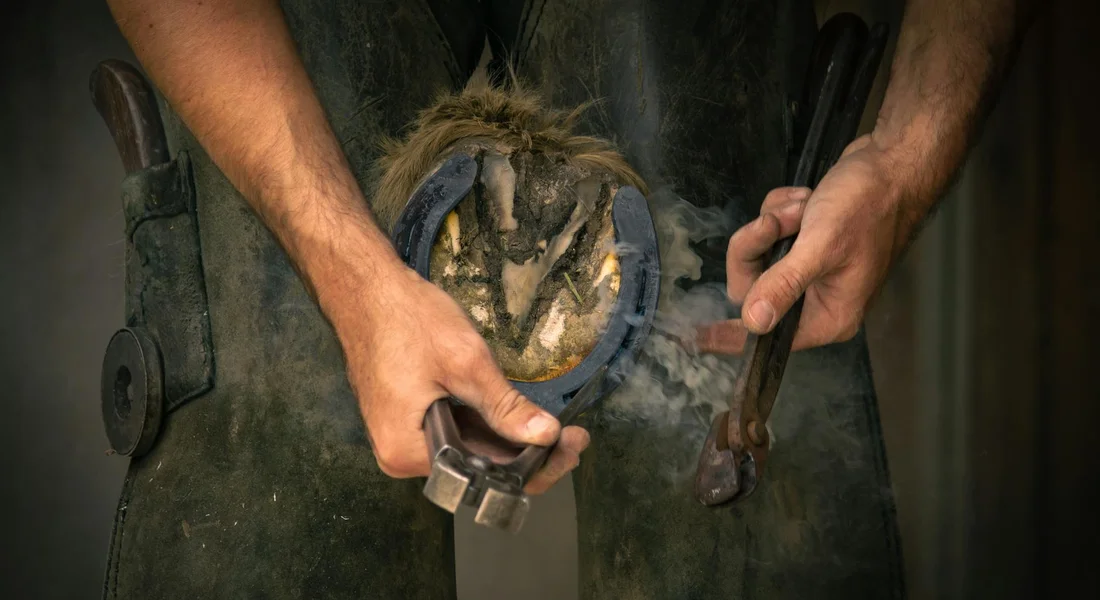
Basic farrier tools have distinct roles: nippers for cutting length, the rasp for smoothing edges, and the hammer for securing shoes. Knowing their purposes helps you understand the rhythm of the work.
-
Embrace the sensory details: the crisp snip of the nippers, the gritty sound of the rasp, and, if shoes are applied, the sharp scent of hot fitting as the steel is shaped. These familiar barn sounds signify care in action. Keeping your horse calm through these sensations is part of the gentle partnership we build.
How to Prepare Your Horse for a Calm and Successful Visit
- Focus on gradual acclimation through consistent, gentle handling in the weeks prior. Think of it like teaching a child to brush their teeth-daily, quiet practice makes it a normal part of life, not a scary event.
- Desensitization exercises build confidence. Start these well before the appointment:
- Tapping legs gently with a rubber curry or your palm to mimic the farrier’s rasp and hammer.
- Picking hooves daily, ensuring you hold each foot up for longer periods each session.
- Holding weight on the hoof by leaning lightly against the shoulder, simulating the farrier’s posture.
The goal is to make the strange familiar, so the actual visit feels like just another Tuesday.
Building Trust Through Daily Hoof Handling
- Share personal barn stories, like teaching Pipin to stand quietly using patient, reward-based methods. With Pipin, I started by just resting my hand on his pastern while he ate his hay, rewarding him with a carrot piece when he didn’t move away.
- List step-by-step drills for reliable cooperation:
- Start with short sessions, no more than five minutes per horse, to avoid frustration.
- Use treats like alfalfa cubes for immediate positive reinforcement when they hold still.
- Never punish fear; if they pull away, gently reset and ask again, keeping your energy low.
This patient investment pays off when your horse stands calmly, listening to the thud of hooves on the trimming stand.
Pre-Appointment Checklist: The Day of the Visit
- Groom your horse thoroughly, especially the legs, to remove packed mud or bedding. A clean coat means less dust in the air and better visibility for the farrier.
- Pick hooves meticulously, clearing all debris from the frog and sulci. This act of care sets a quiet, preparatory tone for the work ahead.
- Ensure they are dry and calm from turnout; a hand-grazing session can settle a frisky mind.
- Avoid feeding grain right before to prevent fidgeting from sugar energy spikes.
- Have a clean, untangled lead rope ready, and check the halter fit is secure but comfortable.
A prepared horse is a calm partner, making the entire process smoother and safer.
Creating a Safe and Efficient Workspace for the Farrier
- Prepare a clean, level area with good lighting and solid footing, free of clutter like hoses or feed tubs. Clutter is a tripping hazard for a professional holding sharp tools and a heavy hoof.
- Include safety protocols for the handler: wear sturdy boots, know where to stand (out of the kick zone but in control), and manage the lead without creating tension. Your calm, grounded presence is the best safety tool in the shed.
Setting Up the Perfect Spot in the Barn or Pasture
- Choose a quiet, sheltered space away from distractions like other animals or loud machinery. The sudden bang of a stall door or whinny from a friend can break any horse’s concentration.
- A concrete wash rack or well-packed gravel aisle is ideal for stability during hoof work. Soft, uneven ground makes it hard for the farrier to balance, and for your horse to feel secure.
Your Role as the Handler During the Visit
- Stand at the horse’s shoulder, keep the lead snug but not tight, and stay alert to their body language. This position lets you feel a tense muscle before it becomes a lifted foot.
- Use a calm voice and gentle touches to reassure a nervous horse. For a sensitive Thoroughbred like Luna, my steady murmur and slow breaths helped her match my rhythm and settle.
Recognizing a Skilled and Caring Farrier
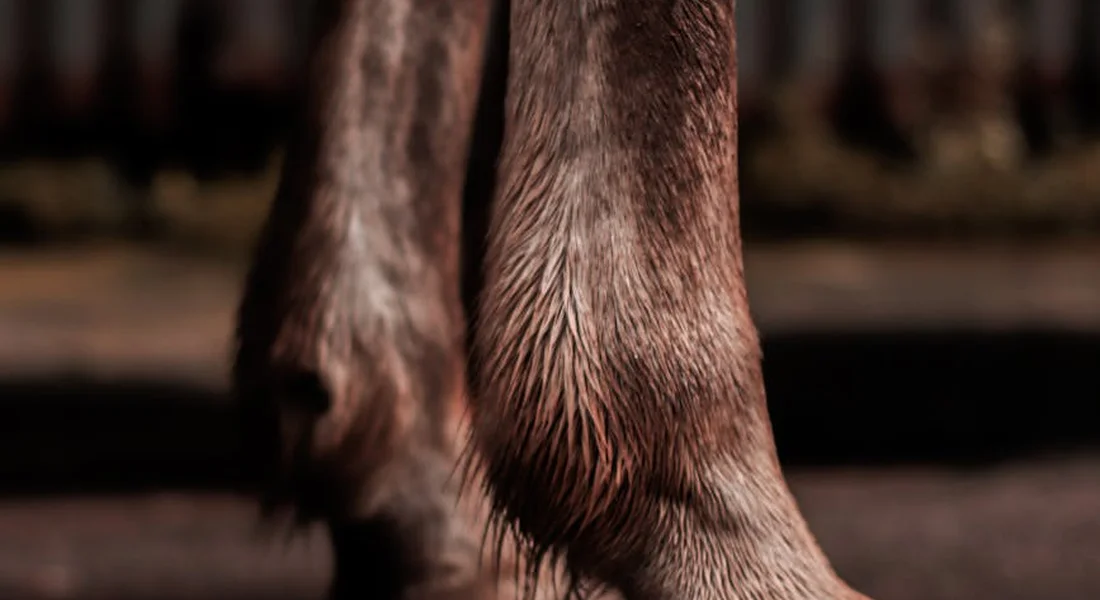
- A great farrier talks you through their entire process before they even lift a hoof. They’ll explain the trim or shoeing plan, pointing out wear patterns and balance points. I remember my farrier kneeling with Luna, showing me how her dappled grey legs required a slightly different angle to support her sensitive tendons.
- Spotless, well-maintained tools are a sign of respect for the craft and your horse. You should hear the clean snip of sharp nippers, not the grind of dull ones. Rusty’s guy has tools so clean you could eat off them, which prevents spreading thrush or bacteria.
- True skill is shown in patience, not speed. Watch how they handle your horse at the first sign of tension. A good farrier will pause, reassure, and adjust their hold. Pipin taught me this; a patient trim with breaks turned our pawing pony into a statue.
- Beware the farrier who races against the clock. Rushing leads to missed flares, uneven heels, and a hoof that looks hacked, not shaped. Hoof balance isn’t a shortcut.
- A red flag is ignoring the individual hoof’s conformation. Cookie-cutter trimming or shoeing fails every horse. Each leg tells a story, and the trim must follow its plot.
- Impatience or roughness is an immediate stop sign. Yanking legs, loud sighs, or forced restraint creates lasting fear. Your horse’s trust is harder to reset than a shoe.
Key Questions to Ask Your Farrier
- “What’s your experience with horses like mine?” A draft cross, a race-bred Thoroughbred, and a cheeky pony all have different needs. My farrier’s work with sport horses made him ideal for Luna’s fine bones.
- “What is your philosophy on barefoot vs. shod?” A thoughtful answer considers your horse’s workload, terrain, and any existing lameness. It’s never a one-size-fits-all rule.
- “Can you show me how you check for proper shoe fit and nail placement?” The shoe should follow the hoof wall, and nails should exit cleanly high on the white line. Ask them to demonstrate on a finished foot.
- “What aftercare do you recommend for the next 24 hours?” They should advise on monitoring for tenderness and keeping the feet clean, especially after a first shoeing.
- “How do you assess the health of my horse’s hoof environment?” Look for answers that include thrush check, frog health, and commentary on your pasture or stall conditions.
Post-Visit Care and Setting Up a Future Schedule
- Monitor your horse for slight sensitivity in the hours after the trim. A bit of tenderness on gravel is normal for a freshly trimmed barefoot horse, but it should fade quickly. I always watch Rusty’s first few steps back on the trail.
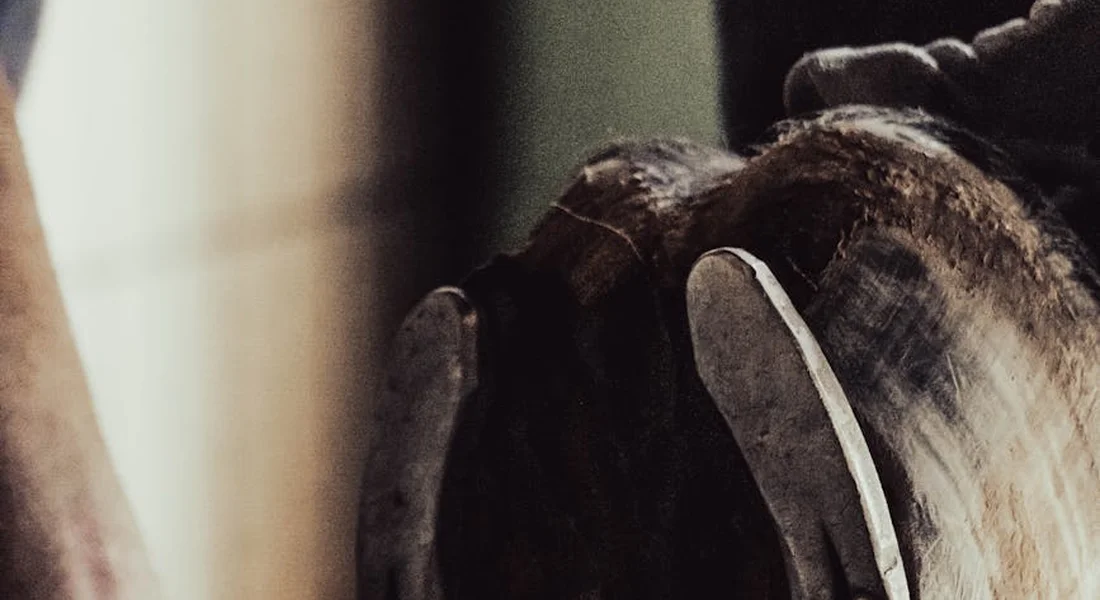
- Run your hand over any new shoes to check for snug, smooth fit. Feel for any protruding nail clinches or gaps between the shoe and hoof. The gentle thud of a properly set shoe sounds solid, not loose.
- Set a regular schedule based on growth, not just the calendar. Most horses need a trim every 4 to 8 weeks. Fast-growing hooves on a spring pasture diet might need more frequent attention.
Immediate Aftercare: What to Watch For
- Persistent lameness or reluctance to bear weight is your cue to call. A short, stilted step is one thing; holding a foot off the ground is another.
- Heat in the hoof or pastern that wasn’t there before is a warning sign. Compare it to the other legs after a cool-down period.
- Swelling, punctures, or bleeding around the nail holes demands immediate attention. This can indicate a hot nail or infection.
- Always call your farrier back for adjustments after a first shoeing. It’s common for a horse to need a tweak as they adjust to the new feel. A good farrier expects this follow-up.
Planning Your Horse’s Ongoing Hoof Care Routine
- Hoof growth speed is dictated by diet, exercise, and genetics. A horse on lush grass with daily work will grow hoof faster than a sedentary one on dry hay. Luna’s growth spurts always follow spring turnout.
- Barefoot horses on abrasive terrain may self-trim somewhat, but still need professional eyes. Shod horses are on a strict 6-8 week cycle to prevent overgrown shoes.
- Keep a simple log in your tack room or phone notes. Jot down the date, the farrier’s name, and any observations like “low heels” or “thrush in left frog.” This history is gold for the next visit.
- Schedule your next appointment before your farrier drives away. Their calendars fill fast, and consistency is the backbone of sound hoof care. I book Pipin’s next trim while I’m still writing the check.
FAQ: First Farrier Visit: What to Expect and How to Prepare Your Horse
How long does a typical first visit take?
A typical first farrier visit often lasts between 45 minutes to an hour. This timeframe includes the initial consultation, hoof inspection, and the trimming or shoeing process. The duration can vary based on your horse’s behavior, whether shoes are applied, and the farrier’s assessment needs.
What should I do if my horse is nervous or resistant?
Stay calm and use a reassuring voice to help your horse relax. Be a calm, assertive leader for your anxious horse to help them feel secure. This steady guidance sets the tone for safety and trust during the session. Offer treats or gentle praise for cooperative behavior to create positive associations. Communicate with the farrier to take short breaks if needed, ensuring the session remains stress-free for everyone involved.
How often will my horse need the farrier after the first visit?
After the first visit, plan for regular appointments every 6 to 8 weeks. This schedule helps manage hoof growth and maintain balance to prevent lameness. Adjust frequency based on factors like your horse’s diet, exercise routine, and individual hoof growth rate. Between visits, do maintain your horse’s hoof health with simple at-home care. Regular hoof picking, cleaning, and watching for cracks or uneven wear can support the farrier’s work at the next appointment.
Final Thoughts from the Stable
Prepare your horse by practicing picking up their feet calmly in the days before the appointment and have them in a dry, familiar space when the farrier arrives. Additionally, teaching your horse basic ground manners will help with calm handling during the visit. A positive first experience hinges on your ability to be a steady, reassuring partner for your horse throughout the entire process.
Progress might be slow, and that’s perfectly normal—hoof care is a lifelong partnership built on trust. Your most important job is to watch and listen to your horse; their comfort and confidence are the true measures of a job well done. Keep in mind that horse care is an ongoing time commitment. Daily routines—grooming, feeding, turnout, and hoof maintenance—shape your horse’s health and comfort.
Further Reading & Sources
- 5 Things Your Farrier Wants to Tell You
- How Much Does a Farrier Cost? – My New Horse
- Tips to Prepare for Successful Hoof Care Visits | Zoetis Equine
- Farrier Visit 101: How To Prepare and Handle Your Horse – My New Horse
At Horse and Hay, we are passionate about providing expert guidance on all aspects of horse care, from nutrition to wellness. Our team of equine specialists and veterinarians offer trusted advice on the best foods, supplements, and practices to keep your horse healthy and thriving. Whether you're a seasoned rider or new to equine care, we provide valuable insights into feeding, grooming, and overall well-being to ensure your horse lives its happiest, healthiest life.
Hoof Care