
How to Safely Introduce Your Horse to Water Crossings: Build Confidence in Creeks and Puddles
Hello from the barn aisle! If your heart sinks every time the trail narrows toward a creek or your horse plants its feet at a rain puddle, I get it. That refusal isn’t just frustrating-it’s a safety risk for both of you, from potential slips to sudden spins.
Today, we’re tackling that worry head-on. I’ll guide you through a calm, methodical process to turn water from a scary obstacle into a non-event. You’ll learn how to pick the right spot and time for your first attempt, master a slow, pressure-free introduction, use smart rewards that build real trust, and troubleshoot deep-seated fears for good.
My years of barn management and training horses, from the puddle-phobic Rusty to the sensitive Luna, have taught me that patience and a good plan make all the difference.
Why Horses Naturally Hesitate at Water
That sudden stop at the creek’s edge isn’t disobedience. It is your horse’s ancient brain shouting a warning. As prey animals, they view any obscured footing as a potential trap. Still water can hide holes or reflect strange shapes, while moving water sounds like a predator rustling in the bushes to their keyed-up senses.
Their depth perception utterly fails them at the water’s surface. The light refraction makes a six-inch puddle look like a cavern. Asking a horse to step in is like asking you to walk blindfolded onto a trampoline; the uncertainty is visceral and real. My quarter horse Rusty, a trail pro, still treats every puddle like it’s personally offended him, requiring a long, sniffing investigation. Horses are known for their unique vision, but this is one area where it falls short.
The experience is a jolt to their entire system. The cold shock on legs, the roar of current, the squelch of mud-it’s overwhelming. For a finely-tuned athlete like my thoroughbred Luna, this sensory barrage must be introduced in tiny, positive increments to avoid a reactive spin or bolt. Her skittishness taught me that patience isn’t a virtue here; it’s a necessity for safety.
Gear Up: Your Water Crossing Safety Checklist
Good preparation builds confidence for both of you. The right gear minimizes risk and gives you the tools to communicate clearly without force.
- A secure halter is non-negotiable; check that all leather is supple and all nylon buckles latch firmly before you leave the barn.
- Use a long lead rope of at least 12 feet to maintain a safe distance from their hindquarters and allow them to stretch their neck down to inspect the water.
- Protective boots prevent costly injuries from a horse striking its own leg on a submerged rock or slipping in the mud.
Your most important job happens before your horse even gets close to the bank. You must scout the territory.
- Test the footing yourself first by walking the crossing in your boots, probing for hidden drop-offs, large rocks, or slick clay.
- Assess mud safety by checking if the bank holds your weight without a loud sucking sound; if it does, that’s quicksand for a horse.
- Evaluate the water’s flow and depth; a calm, shallow entry with a gradual slope is always better than a steep bank into rushing water.
The Gradual Approach: Step-by-Step Desensitization
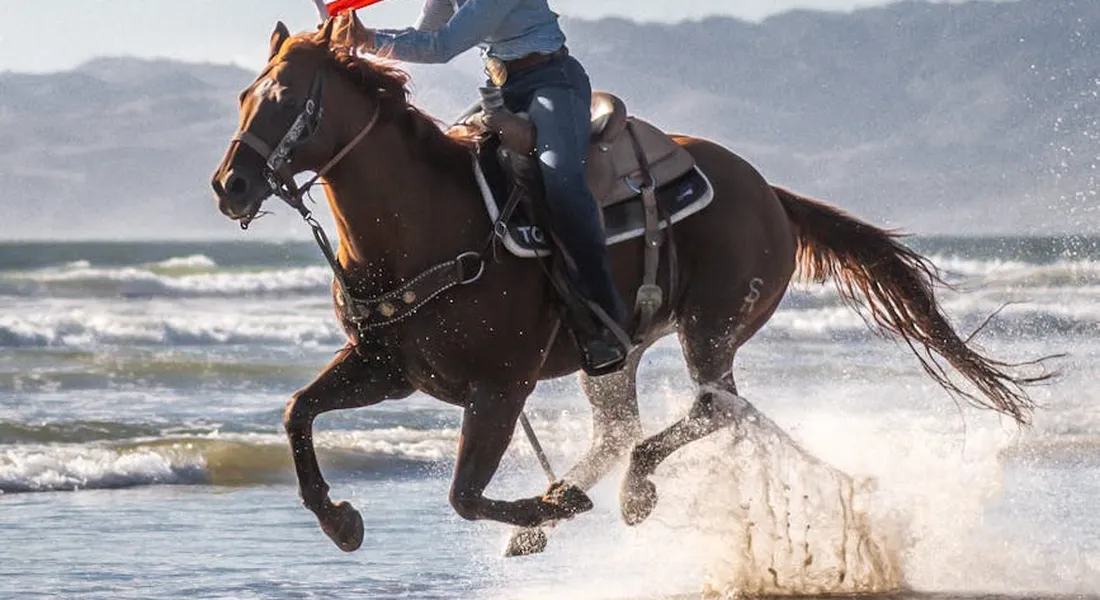
Rushing a horse into water is a recipe for a spook, a slip, or a full-blown argument. I learned this the hard way with a previous boarder who thought charging through a creek was a good idea; it took six months to undo that one bad experience. The goal is to make the water boring, not terrifying, and that only happens with incremental, positive steps. Here is the exact sequence I use with every horse, from my steady Eddy Rusty to the suspicious Pipin.
- Lead to the water’s edge calmly. Your energy sets the tone. Use a long lead rope for safety, stand at your horse’s shoulder, and walk up with purpose. Pick a spot with a clear, gently sloping entry.
- Allow sniffing and visual inspection. Let them stretch their neck, snort at it, and stare. This is their risk assessment. My mare Luna needs a good five minutes of just looking before her brain engages. Stand quietly and let them process.
- Tap the water with a hoof. Gently ask for one front foot to touch the surface. The sound and feel of that first tap is a big moment. If they pull back, just reset and ask again. The second tap is always easier than the first.
- Walk through shallow puddles. Before tackling a flowing creek, find a wide, stagnant puddle. Lead them straight through it. The goal is just wet hooves, then ankles. Repetition here builds a “no big deal” memory.
- Reward with treats and praise. Mark every try, even the hesitant ones. A mouthful of hay stretcher pellet when Pipin finally splashed a foot in was a bigger victory than getting him all the way across. Positive reinforcement wires their brain to associate water with good things, not pressure.
This isn’t a one-day checklist. You might spend three sessions on step three. That’s normal. Patience isn’t just a virtue here; it’s the foundation of safety and trust.
Reading the Signs: Horse Body Language Decoded
Your horse is talking to you with their entire body. Ignoring their signals is like arguing with a friend while they’re shouting “I’m scared!”-it never ends well. Learning to read the subtle flickers of tension and release lets you guide the training at their pace, not yours. It’s especially important to know when they’re genuinely happy and relaxed. This ensures that your training sessions are positive and productive for both you and your horse.
Red Flags: Signs of Stress
- Head held high with a locked neck, eyes bulging white.
- Hard snorting or holding their breath.
- Stiff, braced legs and a hollow, tense back.
- Spinning or attempting to bolt away from the water source.
When Luna’s head goes up like a periscope, I know her flight instinct is kicking in. This is not the time to push forward.
Green Lights: Signs of Relaxation
- Soft, licking and chewing motions after a moment of tension.
- A deep, sighing exhale through the nostrils.
- Lowering the head to sniff or investigate independently.
- A relaxed hip, with one hind leg resting.
That first big lick and chew is my favorite sign. It means the thinking brain is back online and they’re processing, not panicking.
Fear Management in the Moment
When you see those red flags, your action is simple: pause. Take a single step back, loosen the lead rope, and let them just look. Breathe deeply yourself-they feel that. The moment you see a flicker of relaxation, even just a slight softening of the jaw, end on that good note. Ask for one simple thing they know (like a step back or a head down), reward it, and call it a day. Winning a single step is better than losing the whole conversation.
Common Training Mistakes and How to Avoid Them
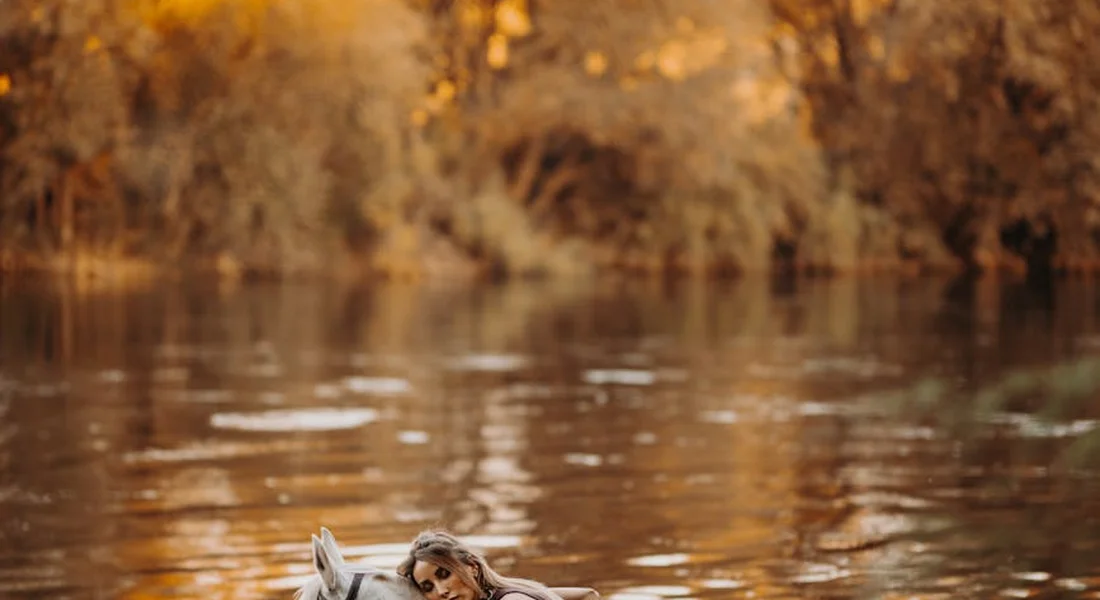
Even with the best intentions, a few common missteps can turn a simple creek crossing into a weeks-long project. Rushing the process is the fastest way to teach your horse that water is scary, not just wet. I’ve spent plenty of afternoons with Pipin, our food-motivated Shetland, learning that clever ponies need clever, patient solutions.
- Rushing Progress: Expecting a deep crossing on day one ignores the horse’s need for mental processing. Water work isn’t linear. With Pipin, I once advanced too quickly after a good puddle session, and he later refused to even look at the stream. We had to return to simply standing near it with a hay net for three whole sessions.
- Ignoring Fear Signs: Anxiety isn’t always dramatic. Watch for subtle cues: a fixed stare, flared nostrils, or a tense, high tail. Pushing past these quiet warnings is an invitation to a sudden rear or spin. Luna tells me she’s worried by becoming hyper-alert and holding her breath. Seeing that, I stop and let her assess.
- Having No Exit Strategy: Approaching water so your horse feels cornered creates panic. Always leave a clear path for a backward retreat. Your horse must know he can say “no” and move away without punishment; this safety valve builds real courage. I always lead Pipin on a long line at an angle to the bank, so he can easily step back if he needs space.
The fix is often simpler than you think. For the escape artist types like Pipin, I use their curiosity and love of treats to shape behavior, rewarding each glance or step toward the water. This turns a potential battle into a game where thinking pays off.
Building Confidence for Creek and Trail Crossings
Mastered the puddle? Now the real trail tests begin. Confidence here is built on a foundation of tiny, successful experiences, not grand forced marches. Your calmness is the most important piece of tack you own.
Dealing with Current
Moving water looks and sounds different. Let your horse observe from a distance first. I often let Rusty watch the creek flow while grazing nearby, so the gurgle becomes background noise, not a threat. For the first introduction, I dismount and lead him through the very edge, letting the current brush just his pasterns.
Navigating Muddy Footing
Mud hides hazards and feels unstable. Probe the area with a stick before asking your horse to enter. Cross all questionable footing at a slow, deliberate walk to maintain balance and allow your horse to feel for solid ground. Teach them to test with a front hoof before committing their weight. During mud season, take steps to protect pastures and your horses’ hooves. Proper footing now helps prevent mud-related injuries.
Handling Group Crossings
Peer pressure affects horses, too. A rush of horses can trigger a bolt, while a balker can stop the whole line. Position yourself at the edge of the group, or go first with a trusted, steady mount to set the pace. I use Rusty as a trail buddy for greener horses; his calm walk into the water is contagious and exemplifies the importance of herd dynamics.
Gradual exposure is everything. Sometimes a “crossing” is just standing with front hooves in the shallows for ten minutes, letting the horse soak and snooze. This builds a memory of relaxation, not tension.
Your safety gear directly impacts your horse’s confidence. A secure helmet and gloves let you focus on your horse, not your own fear of falling. I never do early water work without my sturdy boots; if I slip in the mud, my horse loses his trusty leader.
After the Crossing: Quick Horse Care Checks
That solid *thud* of a hoof on the far bank is a great feeling. Your horse did it! But before you loosen the girth and call it a day, a few minutes of post-water care can prevent a host of little problems. This quick ritual isn’t just about mud; it’s a hands-on wellness check that catches minor issues before they become big ones, and it’s an essential part of maintaining your horse’s hoof health between farrier visits. I make it a habit with every horse, from cautious Rusty to bold Pipin, the moment we’re back on dry ground.
Hoof and Leg Inspection
Water can hide hazards. Start at the foundation. Pick out all four hooves thoroughly, even if they look clean. Focus on the clefts around the frog, where water can pack in debris and create a perfect, damp environment for thrush to start. Feel down each leg with your bare hand; water washes away blood, so a small cut on a wet leg can be surprisingly hard to spot by eye alone.
- Use a stiff brush and hoof pick to remove all gravel, mud, and organic matter.
- Run your hand from knee to hoof, feeling for any swelling, heat, or nicks you might have missed.
- Check the coronary band carefully for trapped pebbles or sand.
The Dry-Down: More Than Just Comfort
A wet horse is a chilly horse, and moisture trapped under tack or in thick fur can lead to skin irritation. I keep an old towel and a sweat scraper by my trailer for this exact reason. A brisk toweling and scraping isn’t just about drying; the friction increases circulation and lets you do a full-body tactile check. Pay special attention to girth and saddle pad areas, especially when you blanket a damp horse.
- Use a sweat scraper on the neck, barrel, and hindquarters to remove excess water.
- Follow with a dry towel, rubbing vigorously on the legs and any particularly soaked spots.
- If it’s a cool day, walk your horse for a few extra minutes on a loose rein to let them generate warmth and air-dry completely.
Gear Check for Next Time
While you’re caring for your horse, give your tack a once-over. Wet leather can stiffen if not treated, and a bit soaked in creek water needs cleaning. This quick gear assessment takes seconds but ensures your equipment stays safe and supple for the next adventure. I once found a developing stitch tear on a billet only because it was wet and I was looking closely.
- Wipe down bits with a dry cloth to remove saliva and silt.
- Check leather for any unusual stiffness or stress points exposed by the wetting.
- Hang your saddle pad to air dry completely; never leave it balled up in a tack trunk.
FAQ: How to Safely Introduce Your Horse to Water Crossings (Creeks and Puddles)
How does training for general water crossings help with an organized event like those on the Eastern Shore, VA?
The step-by-step desensitization process builds your horse’s fundamental confidence, which is essential for any new environment. An organized group crossing will have unpredictable elements like other horses and spectators, so a solid training foundation is key. Your horse’s ability to stay calm and listen to you in water will make the event experience safer and more enjoyable for everyone.
How should I adjust my training schedule if I plan to attend a scheduled group crossing event?
Begin your training program weeks or months in advance, not days before the event, to allow for setbacks and slow progress. Consult the event schedule to know the exact date, and plan your final training sessions to simulate group dynamics by riding with a calm buddy. Your goal is to have your horse comfortable with shallow crossings well before the event day to reduce stress.
Should I purchase tickets for a guided water crossing event before my horse is fully trained?
It is wise to confirm your horse can handle basic, calm puddles and shallow creek edges on the trail before committing to a ticketed event. Many events have varying difficulty levels, so research the specific water crossing depth and terrain described before buying a ticket. Committing to an event can be a great training goal, but ensure you select an appropriate beginner-friendly ride if your horse is still gaining experience.
From the Barn: Water Crossing Wisdom
Begin with calm, shallow puddles in a familiar area, allowing your horse to look, sniff, and process the water without pressure. The single most critical rule is to never force the issue-let your horse’s curiosity, not your insistence, lead the first step into the water. This gentle approach creates a safe, enriching environment for your horse to grow in confidence. This foundation supports the next steps of safe, practical training.
Whether you’re guiding a cautious Thoroughbred like Luna or a savvy pony like Pipin, your patience and observation are the true keys to safety. Listen to what your horse is telling you with their ears, posture, and breath; that conversation builds the trust that makes every crossing smooth. Recognizing these subtle cues is part of building a strong bond that ensures your rides are both safe and enjoyable.
Further Reading & Sources
- “Crossing Streams Safely”
- Tips for crossing water safely while riding
- Safe Passage: How To Cross Water With a Horse – My New Horse
- How to ride your horse through water (Road to Tevis #120) – Wild Horses
At Horse and Hay, we are passionate about providing expert guidance on all aspects of horse care, from nutrition to wellness. Our team of equine specialists and veterinarians offer trusted advice on the best foods, supplements, and practices to keep your horse healthy and thriving. Whether you're a seasoned rider or new to equine care, we provide valuable insights into feeding, grooming, and overall well-being to ensure your horse lives its happiest, healthiest life.
Behavior