
Don’t Fall For It: 9 Common Horse Buying Myths That Lead to Heartbreak
Published on: May 31, 2026 | Last Updated: May 31, 2026
Written By: Henry Wellington
Hello fellow equestrians. That giddy feeling of finding “the one” can vanish fast when a hidden health or behavior problem turns your dream into a financial and emotional nightmare.
I want to help you buy with confidence, not just hope. This article will dismantle the tall tales that saddle buyers with regret. We’ll separate stable wisdom from stable gossip on key points like a horse’s age, price tag, and paperwork.
You’ll get the straight talk on:
- The myth that an older horse is always a safer bet.
- The dangerous belief that a horse’s color predicts its personality.
- Why a high price or fancy pedigree is no guarantee of soundness.
- The non-negotiable importance of a professional pre-purchase exam.
My advice comes from the dirt floor of the barn, after years as a manager and trainer guiding riders past these exact pitfalls with horses like my own crew.
The Real Price of Fairy Tales: How Myths Breed Regret
Believing the pretty stories can cost you more than money; it costs peace of mind. I’ve seen the fallout in my own barn, like the time a boarder fell head over heels for a stunning, tall gelding. He was bought in a weekend whirlwind because he “looked like a dream.” The dream faded fast. We discovered severe ulcers and a defensive kicking habit that appeared only after the trailer left. The initial “bargain” price was swallowed whole by months of vet visits, specialized feed, and careful retraining.
That rushed purchase, fueled by a compelling myth, traded short-term excitement for long-term stress and a much lighter wallet. The outcomes are painfully consistent: unexpected vet bills for pre-existing conditions, dangerous behavioral issues that weren’t disclosed, and a horse that simply doesn’t fit your life. You’re left managing a problem, not enjoying a partnership.
Myth-Busting 101: The Nine Stories You Hear at Every Barn
Let’s clear the air of the most persistent tales. Listen for these next time you’re browsing ads or chatting at the rail.
-
“He’s just green-broke, a blank slate for you to train!”
This phrase often masks a horse with major training gaps or a troubled mind. A truly well-started young horse should have solid basics: standing for the farrier, loading calmly, and moving off light pressure. A “blank slate” is usually just an unfinished, and sometimes unstable, project.
-
“This breed is always calm/athletic/easy.”
Breed tendencies exist, but they are not guarantees. I’ve known neurotic Quarter Horses and bombproof Thoroughbreds. Every horse is an individual, and judging them solely on breed is like choosing a car based only on its country of origin. So, what defines a horse breed? It hinges on documented ancestry and consistent traits recorded by registries.
-
“The price is low because I need a quick sale.”
While genuine emergencies happen, a price far below market value is a giant red flag. It often signals a known issue the seller isn’t advertising-lameness, chronic illness, or a severe behavioral flaw. Always ask, “Why is this incredible deal still available?”
-
“He’s too old to learn new tricks.”
Nonsense. A healthy, well-trained older horse is worth their weight in gold. They offer consistency and wisdom. My old lesson pony, Pipin, learned new obstacle course elements at 18. An older horse with a good brain isn’t a limitation; it’s a foundation.
-
“A vet check isn’t necessary for a cheap horse.”
This is how you buy a financial black hole. The purchase price is often the smallest expense. A pre-purchase exam is non-negotiable, full stop. It protects you from buying a horse with a soundness issue that will limit your goals and require costly treatments.
-
“She has ‘potential’ as a [discipline] horse.”
“Potential” is a speculative currency. Unless you are a professional trainer, buy for what the horse is today, not for the dream of what it could be. Assess the current training level and temperament against your current skill level, not your future aspirations.
-
“He’s a little hot/fresh, just needs more work.”
Sometimes this is true. Often, it’s code for an anxious, unpredictable, or difficult-to-manage horse. “More work” in the wrong hands can make the problem worse. Be brutally honest about your ability to provide that work safely.
-
“What a beautiful color! That’s a rare find.”
Buying for color is like choosing a spouse for their hair. A pretty coat doesn’t lift your leg over a jump or keep you safe on a trail. I’ll take a plain, sane, sound horse over a flashy problem any day of the week.
-
“The kids can ride him; he’s bombproof.”
This is the most dangerous myth of all. A truly child-safe horse is a rare gem, not a common listing. Test this claim with the noise and unpredictability of a child-drop a rake, flap a coat, bounce in the saddle. Never take a seller’s word for a horse’s tolerance; verify it with your own stringent tests.
Your Horse Buying Compass: What to Value Instead
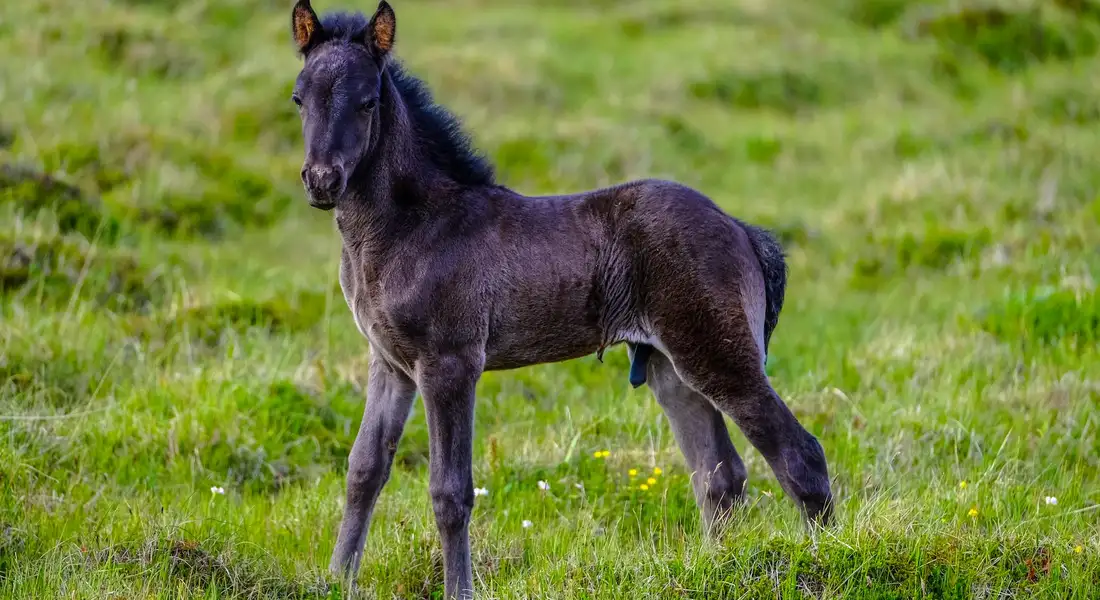
Forget the flashy sales pitch. Your shopping list should look less like a breed registry and more like a partnership agreement. Your goal is to find a horse whose current reality matches your daily life, not a fantasy of what they might become.
I’ve watched too many new owners struggle with a sensitive Thoroughbred like Luna when they needed a steady Eddy like Rusty. Use this checklist to stay grounded.
The First-Time Buyer’s Reality Checklist
- Temperament is Non-Negotiable. Watch the horse in the stall, being caught, and around other horses. Are they curious or nervous? Do they pin ears constantly or are they placid? A horse’s default mood is what you live with every single day.
- Demand Documented Training. “Started under saddle” is not enough. Ask for specifics: “Has he been hauled off-property? Does he stand for the farrier? Will he walk over a tarp?” Request a video of the last 60 days of training. If they can’t show it, it might not exist.
- Define “Honest Purpose” Clearly. Be brutally honest with yourself. If you want quiet trail rides, a horse that needs 45 minutes of lunging first is a terrible fit. The seller’s “perfect junior hunter” might be your anxiety-inducing nightmare.
- Evaluate Current Condition, Not Promised Potential. Look at the horse today. Is he a good weight? Is his coat dull or shiny? Are his hooves cracked? Buy the horse in the cross-ties, not the one you imagine after six months of your dream training.
- Watch Them Do the Thing. If you need a trail horse, see them on a trail. Have the seller ride first, then you ride. Notice everything: do they gawk at mailboxes? Do they rush back to the barn? This is the most important test.
The Vet Check: Your Financial and Emotional Insurance Policy
Skipping the pre-purchase exam to save $500 is like buying a car without looking under the hood-a decision you’ll regret at the first major hill. This is your single most powerful tool for preventing heartbreak. I’ve seen “sound” horses come up lame on a flexion test and “healthy” ones show subtle signs of chronic pain only a vet’s hands can find.
The Pre-Purchase Examination, Demystified
You hire and pay the vet directly for an unbiased opinion. A thorough exam includes:
- A Full Physical: Listening to heart and gut sounds, checking eyes, teeth, and overall condition.
- The Soundness Evaluation: Watching the horse move in straight lines and circles on hard and soft ground, checking for lameness.
- Flexion Tests: Stressing joints to reveal subtle pain or stiffness that isn’t obvious at a walk or trot.
- Hoof Testing: Using a tool to apply pressure to the sole, checking for soreness or laminitis.
The vet will also review any available health records. Your job is to be there, ask questions, and listen. They might recommend further diagnostics, like X-rays, based on their findings.
| What A Good Vet Assesses | Why It Matters |
|---|---|
| Overall Conformation & Posture | Predicts long-term soundness and suitability for your discipline. |
| Muscle Symmetry & Development | Asymmetry can signal compensated pain or old injuries. |
| Reaction to Palpation & Flexion | Reveals hidden arthritis, tendon issues, or back pain. |
| Quality of Movement | Identifies gait abnormalities or mechanical issues that affect performance. |
| Existing Health Records | Confirms vaccination history, past illnesses, or chronic conditions. |
View the vet check as a discovery process, not a pass/fail test. The goal is to understand exactly what you’re buying. A finding isn’t always a deal-breaker, but it must factor into your price and your plan. Never, ever let a seller pressure you to skip this step.
Reading the Seller: Transparency vs. Red Flags

Guide on identifying reputable sellers. List green flags like full disclosure and trial offers. List red flags like pressure, vague history, or refusing a vet check.
Think of a seller as your first glimpse into the horse’s world. A good one wants a lasting match, not just a quick sale. I learned this the hard way years ago before finding steady Rusty. Your spidey-sense is a real tool; trust that gut feeling when something feels off or wonderfully right.
Reputable sellers operate with a clear conscience. They answer questions directly and their stories add up. Here are the green flags that signal you’re in good hands.
- Full Disclosure: They volunteer information, both good and bad. The seller who told me, “Rusty is bulletproof on trails but will dance a jig around a mud puddle,” earned my instant trust.
- Encourages a Trial: They want you to come back and ride multiple times, in different scenarios. A week-long trial at your barn is the gold standard.
- Welcomes Your Vet: They provide clear paperwork and give your vet full access to the horse and its records. No rushing, no excuses.
- Demonstrates the Horse Honestly: They ride first, show you all gaits, and aren’t afraid to test the horse in situations you’ll face, like opening a gate or passing a noisy tractor.
Now, for the red flags. These are the moments where you should thank them for their time and walk away. The cost of regret is far higher than the cost of walking away.
- Pressure to Decide: “Several other buyers are coming tonight” is a classic line. A good horse sold honestly will still be there tomorrow.
- Vague or Changing History: If the story about where the horse came from or why it’s for sale shifts, the foundation is shaky.
- Refusing a Pre-Purchase Exam: This is an absolute deal-breaker. The only reason to refuse is if there’s something to hide.
- The Horse is Never Ridden by Them: If they only let a “trainer” ride, you’re not seeing the full picture of the horse’s daily demeanor.
Remember, you’re not just buying a horse; you’re inheriting its care history. A transparent seller is your first assurance that the horse has been treated with the welfare and honesty you intend to continue. These considerations tie directly to the core ethical principles of horse welfare and responsible ownership. They help ensure your decision supports the horse’s well-being from day one.
Finding Your Match: Temperament, Trials, and True Cost
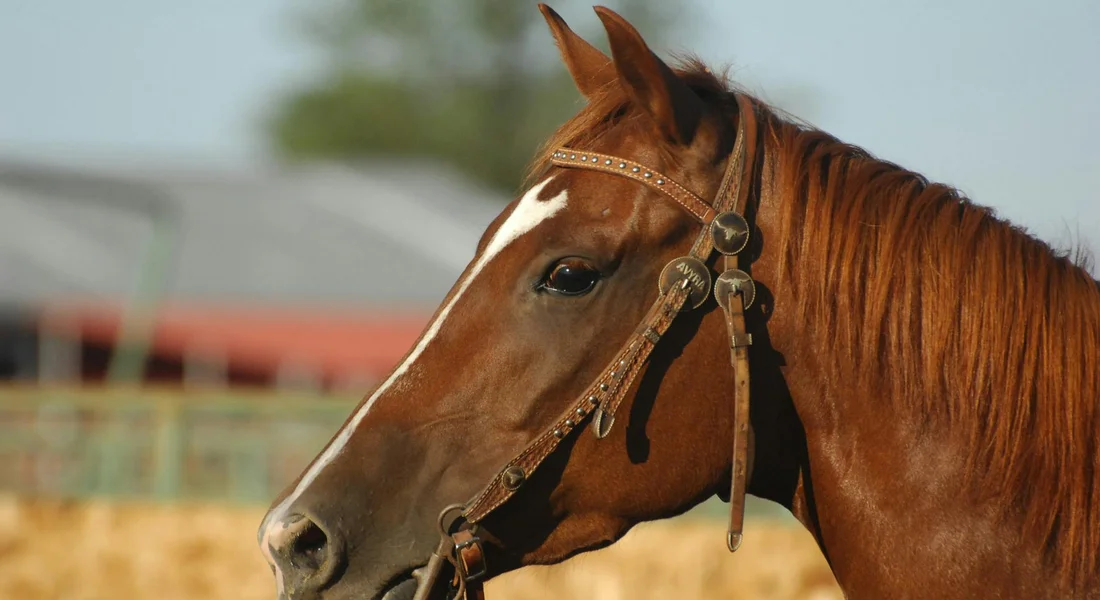
Explain why temperament trumps all. Stress the need for multiple trial rides in different settings. Debunk the “cheap horse” myth by outlining real ownership costs beyond purchase price.
That flashy movement or perfect color fades fast if your personalities clash. Temperament is the bedrock of every good partnership. My sensitive Thoroughbred, Luna, is a brilliant horse, but she needs a rider with quiet patience. A temperament guide helps you match horse personality with your riding style, making your partnership smoother. It also helps you choose a partner you can ride confidently. Your goal is to find a horse whose default setting aligns with your life, not a project to fix.
A calm, willing mind keeps you safer and makes every day enjoyable. Become a calm, assertive leader for your anxious horse, and you’ll set the pace for progress. This calm leadership helps your horse settle and respond with less fear. A horse that’s chronically anxious or sour can turn barn time into a chore. Prioritize a brain you can work with over fancy paces you might never use.
One ride is a snapshot, not the whole album. You need to see the full picture.
- Ride in the Arena: See how they focus in a controlled environment.
- Ride on the Trail: This is the truth serum. Notice if they look to you for guidance or completely melt down at a flapping plastic bag.
- Ride with Other Horses: Does herd-bound anxiety kick in? Can they leave the group politely?
- Perform Basic Care: During your trial, groom, tack up, and pick their feet. A horse like Pipin might test you with his clever antics during this-better to know now!
Now, let’s gut the “cheap horse” myth. The purchase price is just the entry fee. I’ve seen too many “bargains” become financial sinkholes because the buyer only budgeted for the buy.
Here’s what that low price tag doesn’t cover. These are the non-negotiable, ongoing costs of responsible ownership.
- Board or Pasture Maintenance: This is your biggest monthly line item. Quality turnout space isn’t cheap, but it’s critical for mental health.
- Quality Hay & Feed: A horse eats 1-2% of its body weight daily. That’s a lot of hay, and prices swing with the season.
- Preventive Veterinary Care: Annual vaccines, dental floats, and parasite control. An emergency colic surgery can cost thousands.
- Farrier Services: Every 6-8 weeks, like clockwork. Barefoot or shod, those hooves need professional care.
- Tack & Equipment: A well-fitted saddle is an investment. Then add bridles, pads, grooming kits, and the inevitable replacements.
- Insurance & Emergency Fund: Major medical insurance is wise, and you must have savings for the unexpected. A “cheap” horse can still get sick.
Adding up these real costs first will show you what you can truly afford, protecting both your wallet and the horse’s future well-being. The right horse is worth every penny, but go in with your eyes wide open to the lifetime commitment you’re making, especially when considering hidden costs of horse ownership.
Frequently Asked Questions About Common Horse Buying Myths
How can myths lead to heartbreak when buying a horse?
Believing common myths can lead to heartbreak by causing you to make a purchase based on emotion and fiction rather than fact and due diligence. This often results in acquiring a horse with hidden health or behavioral issues that are expensive and emotionally draining to manage. Ultimately, you may end up with an unsuitable partner that cannot safely or happily fulfill your riding goals. Learning general horse facts and misconceptions can help you separate fact from fiction before you buy. That awareness can steer you toward a healthier match that aligns with your riding goals.
What should a first-time horse buyer look for instead of falling for myths?
A first-time buyer should prioritize a horse’s current, proven temperament and training level above all else. You must honestly assess your own skill level and find a horse whose daily reality matches it, not one that has “potential” for a future you’re not equipped to handle. Focus on a clear, documented history and a successful trial period over promises, pedigree, or color. This careful selection ensures you choose the right horse for your experience level and lifestyle.
Why is it a myth that a cheap horse is a good deal?
The initial purchase price is often the smallest expense in horse ownership, as ongoing costs for feed, board, veterinary care, and farrier services are substantial and non-negotiable. A price far below market value is frequently a red flag for undisclosed medical or behavioral problems that will cost far more to address. Even a free horse can quickly become a financial black hole if it is not sound and suitable.
Final Thoughts from the Stable
Look beyond price and pedigree to evaluate the whole horse-its movement, manners, and medical history. Your most crucial step is investing in a pre-purchase veterinary exam to reveal soundness and temperament issues before money changes hands. To make that exam truly effective, prepare your horse for a safe, calm veterinary visit. This preparation helps both horse and handler stay relaxed during the vet exam.
Whether considering a steady soul like Rusty or a fiery spirit like Luna, give the search the time it deserves. Listening to the horse-and your own gut-is the foundation of safe, responsible ownership and a lasting partnership.
Further Reading & Sources
- FS1176: Tips on Buying Your First Horse (Rutgers NJAES)
- 8 Rules for buying a horse
- Top 10 Horse Myths Busted: Facts Horse Owners Should Know
- 19 Horse Myths & Misconceptions That It’s Time to Stop Believing | PangoVet
At Horse and Hay, we are passionate about providing expert guidance on all aspects of horse care, from nutrition to wellness. Our team of equine specialists and veterinarians offer trusted advice on the best foods, supplements, and practices to keep your horse healthy and thriving. Whether you're a seasoned rider or new to equine care, we provide valuable insights into feeding, grooming, and overall well-being to ensure your horse lives its happiest, healthiest life.
Choosing the Right Breed