
How to Build a Strong, Defined Topline on Your Horse
Hello fellow equestrians! Is your horse’s back lacking that powerful, muscular curve from wither to croup? A weak topline often leads to saddle-slipping, resistance during rides, and can be a red flag for underlying discomfort or poor conditioning.
Thankfully, building that strength is a clear, methodical process. I will cover the four key areas that truly make a difference:
- Fueling muscle growth with the right forage and supplements, not just more grain.
- Implementing groundwork and riding exercises that teach your horse to use their back correctly.
- Verifying your saddle fit to prevent pinching and muscle atrophy.
- Prioritizing daily turnout and free movement, the foundation of all healthy muscle development.
My methods are forged from over a decade as a barn manager and trainer, patiently helping horses like my own find their strength and comfort.
What Exactly is the Topline and Why Does It Matter?
Think of your horse’s topline as the living, breathing roof of his body. It’s that elegant arch from the top of the withers, along the back, over the loin, and down to the point of the croup. It’s not the spine itself, but the complex web of muscles and ligaments that support it. A strong topline is the ultimate sign of a healthy, fit, and correctly working horse.
When you run your hand over a well-developed topline, it should feel like a firm, rounded hillside, not a sharp ridge or a sunken valley. This isn’t just about looking good for a show; it’s about foundational health. That muscular roof supports the saddle and the rider’s weight, powers every stride from walk to gallop, and allows for graceful collection and balance.
Key Muscles From Withers to Croup
Let’s name the players. When we talk topline, we’re primarily focusing on the longissimus dorsi (the main back muscle), the gluteal muscles over the hindquarters, and the abdominal muscles underneath. Yes, the abs count! They’re the crucial underside of the muscular sling that stabilizes the spine.
- The Longissimus Dorsi: This is the main event. It runs parallel to the spine and is responsible for extending and laterally flexing the back. A developed one gives that full, rounded appearance.
- The Gluteals: These are the engine room. Powerful glutes mean powerful impulsion from behind, which is what actually builds the back muscles in front of them.
- The Abdominals: The unsung heroes. A strong belly acts like a supportive hammock, lifting the back upward. A weak belly lets everything sag down.
You cannot have a strong top without a strong bottom; the abdominal and gluteal muscles are non-negotiable partners in this project. I learned this the hard way with Luna; all the fancy trot work did nothing until we built her core from the ground up.
Why a Weak Topline is a Red Flag
A sunken or underdeveloped topline is your horse’s way of sending up a flare. It’s a visual symptom of a deeper functional issue. That hollow behind the withers or the dip before the croup tells a story.
It often means the horse is moving with disconnected, disengaged hindquarters, avoiding using his core, and likely carrying weight on his forehand. This leads to a vicious cycle: soreness, resistance, and potential lameness. The saddle will bridge or pinch, creating even more discomfort.
A weak topline means your horse is compensating elsewhere, and those compensations will eventually break down. It affects everything from his willingness to go forward to his ability to lift his back for a comfortable canter depart. I’ve seen stoic trail horses like Rusty become more surefooted and energetic simply from a focused topline program.
First, Take Stock: Assessing Your Horse’s Current Condition
Before you start any new regimen, you need an honest baseline. This isn’t about criticism; it’s about creating a smart, personalized plan. Grab a notebook and your phone for pictures.
Hands-On Evaluation and Visual Inspection
Start with your eyes. Stand your horse square on level ground and view him from the side. Look for that smooth, continuous curve. Does his back dip downward? Is there a noticeable peak at the withers followed by a hollow? Now, walk behind him (safely!) and watch his hindquarters as he walks away. Is there a symmetrical, rhythmic swing, or does one side look underpowered?
Next, use your hands. Run your palms firmly down his back on either side of the spine. Can you feel firm muscle, or do your fingers sink toward the bone? Apply gentle pressure with your fingertips along his loin. Does he tense, dip away, or even try to swish you? That’s a sign of weakness or soreness.
Take a photo from the side today and date it; this visual record will be your most satisfying evidence of progress in the coming months.
Identifying Conformational Strengths and Challenges
Every horse is built differently. A long-backed horse like some Thoroughbreds will have a different path to a strong topline than a compact, short-backed Quarter Horse. Your job is to work with what you’ve got.
- Long Backs: Offer a larger area to develop but require exceptional core strength for stability. Focus is on engagement and lifting the belly to prevent “sagging”.
- Short Backs: Are naturally stronger but can be less flexible. Focus is on encouraging lateral bend and suppleness without creating tension.
- Steep Croups: Can make it harder for the horse to engage his hindquarters underneath his body. Hill work and careful transitions are your best friends here.
Your horse’s conformation isn’t a destiny, but a blueprint; it tells you where you’ll need to be the most patient and creative in your training. Pipin the pony, built like a tank, needed lots of bending and mobility work, while Luna needed pure strength building from a standstill. Know your project.
The Fuel for Muscle: Balanced Nutrition for Topline Development
Beyond Grain: Quality Forage is Non-Negotiable
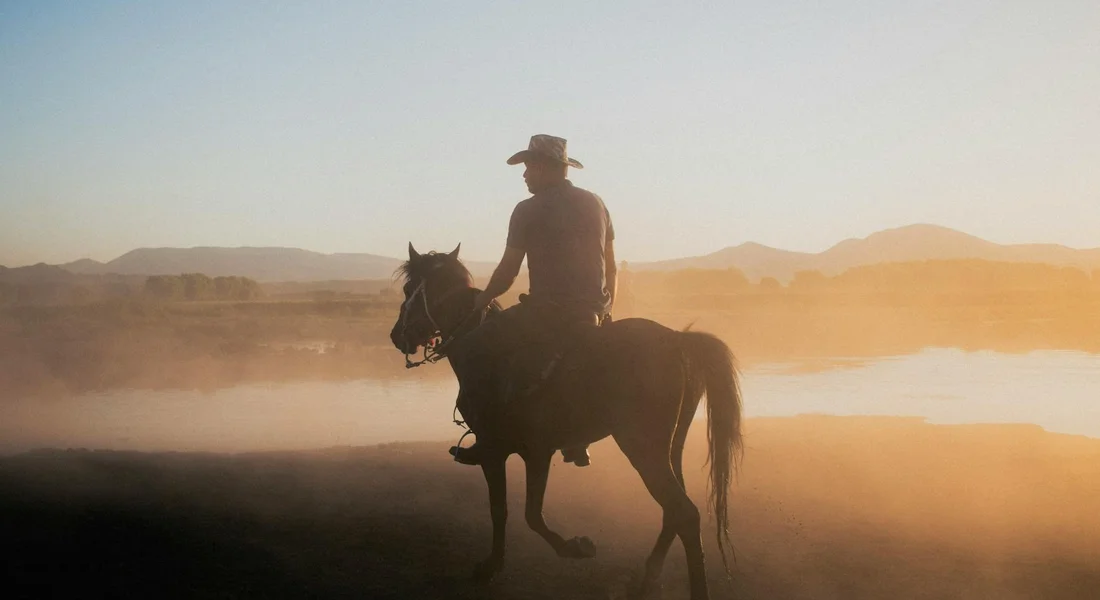
Think of your horse’s topline like a brick wall. The protein in forage is the mortar holding it all together. I learned this the hard way with Luna, my sensitive Thoroughbred. No amount of expensive grain filled in her sway back until I obsessed over her hay. Your horse cannot build muscle without a steady, high-quality forage base, period. Their gut is designed to ferment grassy stalks, not process bags of concentrate. Aim for 1.5% to 2% of their body weight in hay or pasture daily. The smell of fresh, leafy timothy or a rich alfalfa mix should be the signature scent of your barn.
Turnout is the secret sauce. Hours of gentle grazing build core strength from the inside out. I watched Rusty, my Quarter Horse, transform from a pasture potato to a defined athlete just by moving and nibbling all day. Constant low-level movement stimulates the back muscles far more than a single hour of intense work ever could. This is how you build and strengthen horse muscles effectively. With consistent movement, you foster a balanced, resilient body. If your horse is stalled, hang slow-feed nets to mimic natural grazing patterns and keep those abdominal muscles engaged.
When to Consider Supplements
Supplements are the spice rack, not the main course. Start with a balanced diet and a forage-first approach. After that, think about gaps. A common one is protein quality. Forage provides protein, but its amino acid profile might lack key building blocks like lysine. Adding a targeted protein or amino acid supplement can be the nudge a hard keeper needs to start stacking muscle. I considered this for Luna when her coat lost its bloom despite good hay.
Here’s my simple checklist. Consider a supplement if:
- Your horse is on a forage-only diet but is a hard keeper or in heavy work.
- Bloodwork or a nutritionist identifies a specific deficiency.
- The quality of your local hay is consistently poor or variable.
- Your veteran horse, like old Pipin, struggles to maintain weight despite good teeth and care.
Electrolytes for sweaty work or a probiotic for gut health often come before a muscle-building powder. Always chat with your vet or an equine nutritionist before adding anything to the bucket; it saves money and prevents nutrient imbalances.
Practical Conditioning: Exercises That Build Real Strength
Groundwork Foundations: Longeing and Long-Lining Done Right
Longeing is not about running your horse in circles until they’re tired. Done poorly, it wears joints and teaches nothing. Done right, it teaches balance and engages the hind end. I use a long, 30-foot line to give Luna space to find her rhythm. Always aim for a relaxed, rhythmic gait with a softly arched neck, not a frantic pace with a hollowed back. The sound of steady, balanced footfalls is your goal, not the thunder of panic.
Long-lining takes this further. With two lines, you can ask for gentle bends and transitions without a rider’s weight. It’s like teaching your horse to dance from the ground. Here’s my safe start routine:
- Attach lines to the bit or a cavesson, ensuring no tangles.
- Walk a large circle, keeping light contact and asking for slight inward flexion.
- Practice transitions: walk-halt-walk, then walk-trot-walk.
- Keep sessions short, under 20 minutes, to maintain mental freshness.
This work builds the spinal muscles that lift the back, creating a foundation for the saddle. Rusty hated it at first, but now he pivots and moves with a proud swing in his step.
Under Saddle Work for Core Stability
Riding for topline is about quality, not quantity. It’s the difference between carrying a balanced backpack and dragging a sled. Your job is to be a quiet, centered passenger who allows the horse to use their body. Focus on exercises that encourage your horse to step under their body with their hind legs, which automatically lifts the back and withers. To build this topline without a saddle, try groundwork and longe-line work that encourage hind-end engagement. Keep the rider’s influence light and the movements smooth. The creak of leather should come from smooth movements, not from you pulling on the reins.
Hill Work for Hindquarter Power
Hills are nature’s gym. Walking up a gentle slope forces the hindquarters to push, engaging the glutes and back muscles. Start with just a few minutes. I take Rusty on trail loops with gradual inclines. Keep your weight light in the saddle and let your horse find their balance; leaning forward too much can actually hinder their effort. Going downhill in a controlled walk builds strength in the forehand and teaches careful engagement. As you continue, practice walking your horse over small obstacles to teach them to navigate logs and roots calmly. These short obstacle sessions reinforce balance and attentive steps on varied terrain.
Cavaletti and Pole Work for Engagement
Ground poles are magic. They make a horse look at where they’re placing their feet, which prompts a natural lift of the back and abdomen. Space them for walking first-about 2.5 to 3 feet apart. You should feel a deliberate, almost cat-like, step from your horse as they navigate the poles, not a hurried shuffle. With Luna, I use three poles in the arena to break up our flatwork. The gentle thud of hooves over wood is a satisfying sound of progress.
Stretching and Flexibility: The Carrot Stretch Routine
Muscles need to stretch to grow and recover. The carrot stretch is my daily ritual with every horse. It promotes spinal flexibility and strengthens the abdominal line. Hold a carrot or apple piece and guide your horse’s nose. Ask them to stretch gently toward their hip, between their knees, and down toward their chest, holding each position for a few seconds. Pipin, my food-motivated pony, is a stretching champion now. If you’re looking to improve your horse’s flexibility, carrot stretches are a simple, repeatable routine. This approach pairs well with a concise guide on maximizing flexibility through carrot stretches.
Do this consistently, and you’ll see increased range of motion. It also doubles as a bonding moment. Never force or jerk the head; let the stretch be a slow, rewarding exploration for your horse. This simple act, paired with good nutrition and smart work, weaves the final threads into a strong, defined topline.
The Rider’s Influence: Your Posture and Aids Matter
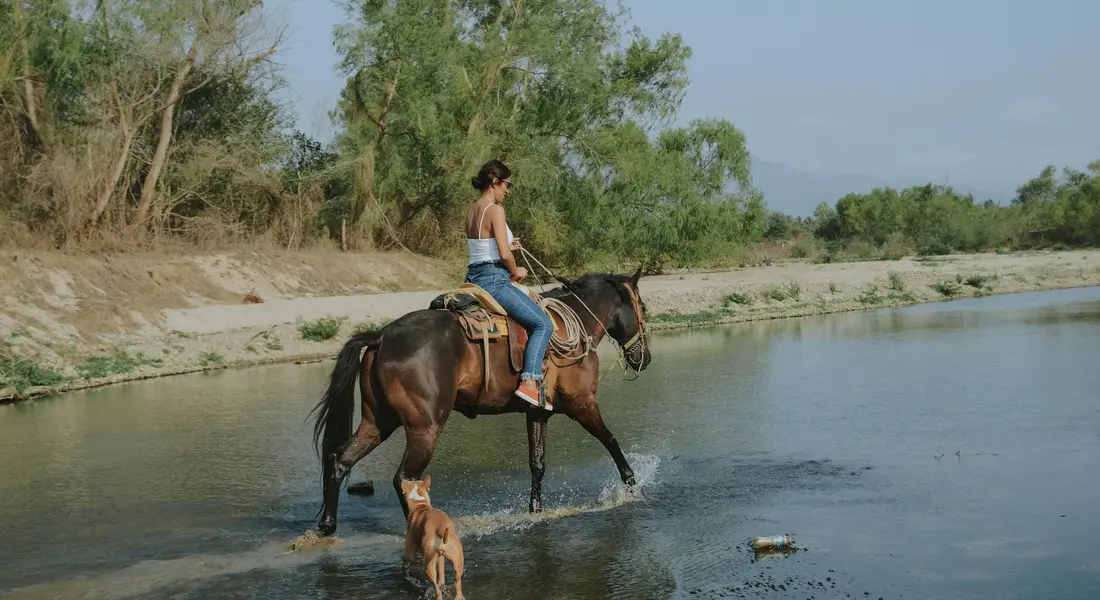
We often focus solely on the horse’s work, but the rider is half the equation. Your body is the primary piece of tack, and its alignment directly dictates what your horse can build underneath you. I learned this the hard way with Luna; my own tension created a hollow, rigid back in her. It was a mirror I didn’t enjoy looking into. It taught me that no matter how well you fit and adjust your horse’s tack, the rider’s own body alignment plays a crucial role.
How a Balanced Seat Supports the Horse’s Back
Think of your seat bones as two gentle, weighted hands cradling the horse’s long back muscles. When you sit evenly, you provide a stable, comfortable platform for them to lift and swing into. A chair seat or a tipped pelvis, however, feels like a wobbly table-the horse will brace and tighten to find security. The most effective topline exercise begins with you: a deep, relaxed seat where your shoulders, hips, and heels stack like quiet building blocks. These ideas naturally lead to essential warm-up and cool-down exercises for your horse. A simple routine can help your horse loosen up and stay balanced before and after work.
Feel for the rhythm of the walk and let your lower back absorb the motion. This allows the horse’s spine to also swing. If you’re stiff, that motion stops at your pelvis. A simple hack? Practice at the halt. Close your eyes, take a breath, and feel where your weight lands. Aim for equal pressure on both seat bones and through both stirrups.
Aids That Encourage, Not Force, Muscle Use
Strong aids create tense muscles. Thoughtful aids create working muscles. Your legs and reins should invite the horse to fill a space, not shove him into it. For engagement, I think of my leg asking the horse to “step up” into a soft, receiving hand, not back from a restrictive one.
- Think “Forward and Out”: Your leg asks for energy. Your hand allows that energy to flow forward into a contact that feels like a firm handshake, not a tug-of-war.
- Half-halts are Your Best Friend: This is a momentary rebalancing, not a pull. Briefly close your fingers, sit deep, and release. It says, “Gather yourself,” helping the horse shift weight back and lift his front end.
- Reward the Try: The second you feel the back lift or the stride deepen, soften. This release teaches the horse that using his body correctly brings comfort. Luna thrives on this; a single ounce of release tells her more than ten minutes of pressure.
Common Training Pitfalls That Undermine Topline Progress
Progress isn’t just about what you do right; it’s about avoiding what sets you back. I’ve made every mistake in the book, from overzealous training sessions to ignoring subtle tack fit changes. Here’s what to watch for.
Overtraining and Skipping the Warm-Up
Muscles build during rest, not work. Asking for strenuous collection on a cold horse is like asking you to do a sprint without stretching-it invites strain. A proper warm-up is non-negotiable. I spend a solid 15-20 minutes in walk and trot on a long rein, letting Rusty stretch down and forward. This brings blood flow to the muscles and lubricates the joints.
Overtraining shows up as a stiff, short stride, a dip in enthusiasm, or a back that seems to sink away from the saddle. More is not better. Two or three focused, high-quality training sessions a week with hacking, hill work, and turnout in between will yield far better results than daily drills. Remember, turnout is where they stretch and graze, which is foundational for a relaxed back.
Incorrect Tack Fit and Its Consequences
This is a silent progress killer. A saddle that bridges (touches only at the front and back) or pinches will guarantee a sore, underdeveloped horse. It doesn’t matter how perfect your riding is. You must check fit constantly, as a horse’s shape changes with muscle, weight, and season.
- Perform the Spinal Clearance Check: With the saddle ungirthed, look down the channel. You should see clear daylight along the entire length of the spine. No contact.
- Assess Even Pressure: After a ride, run your hand under the panels. Sweat patterns should be even. Dry spots indicate high pressure points.
- Watch for Roll: Does the saddle rock side-to-side when the horse moves? This creates instability and causes the horse to tighten up.
Even your girth matters. A rough, narrow girth can create pressure points behind the elbow. I switched to a wider, elastic-ended girth and saw Pipin, our Shetland, visibly sigh with relief. Invest in a professional saddle fitting at least once a year, and after any significant change in your horse’s condition or workload. It is the single most important investment in your horse’s physical health and your training progress.
Beyond the Arena: Recovery and Lifelong Care
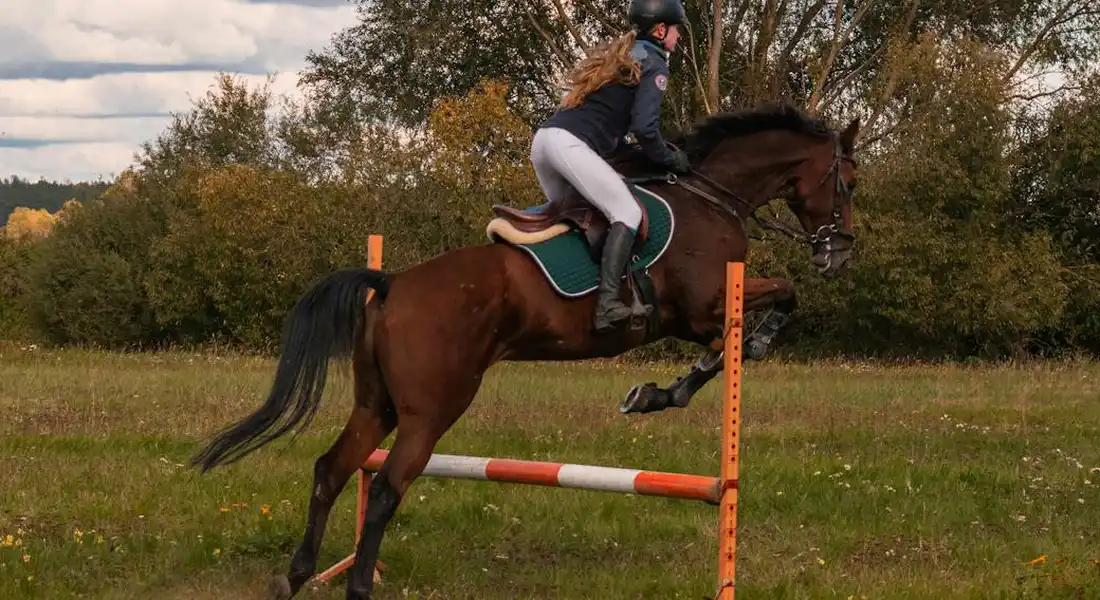
Building a topline is not just about the work you do in the ring. What happens in the 23 other hours of the day is what truly cures progress. This is where strength is solidified and the partnership deepens beyond cues and commands.
The Non-Negotiable Power of Daily Turnout
I’ve seen horses transform with consistent, free movement. My old guy, Rusty, would get stiff and cranky after two days in his stall. Thirty minutes of hand-walking didn’t cut it. Turnout isn’t a luxury; it’s physiological maintenance for the very muscles you’re trying to build – these key muscles support the horse’s back, which is a suspension bridge, and movement is the engineer that keeps it tuned.
Free movement in a paddock or pasture does what no structured ride can fully replicate. It allows for micro-adjustments, stretching, and play. This constant, low-grade engagement stimulates the thoracic sling muscles that support the topline. It’s like them doing their own Pilates routine between our sessions.
The benefits are profound and multi-layered. First, it promotes lymphatic drainage, reducing inflammation in hard-worked muscles. Second, it maintains joint and tendon health, ensuring the foundation for strength is sound. Third, and perhaps most crucial for the sensitive types like Luna, it manages mental stress. A horse that can just be a horse is a horse that can focus and relax under saddle.
Integrating Massage and Gentle Care
Your hands are your best diagnostic tool. Running my hands over Luna’s back after a workout tells me more than any gadget. I feel for heat, tight bands, or spots she flinches from. This hands-on approach is how you catch little issues before they become big, muscle-atrophying problems. It turns care into conversation.
You don’t need a certification to offer beneficial touch. Start with simple, deliberate grooming, feeling for tension rather than just brushing off dirt. Use the flat of your hand to make long, sweeping strokes along the back and hindquarters, following the direction of the hair. Pay attention to the withers and the area behind the shoulder blade, common holding spots for tension.
For a deeper release, I keep a few simple tools in my tack trunk. A rubber curry can be used in circular motions over large muscle groups like the glutes. A tennis ball offers fantastic pinpoint pressure for tight spots along the spine (with gentle, rolling pressure, never digging). The key is your horse’s feedback. A dropped head, a soft eye, a sigh, or a licking and chewing motion means you’ve hit the right note. Pipin, my Shetland, will actually lean into a good scapular rub.
Think of this as preventative physiotherapy. Regular gentle massage increases blood flow to recovering muscles, bringing oxygen and nutrients to the area. It helps maintain fascia elasticity-that’s the connective tissue web that holds everything in place. When fascia gets sticky and tight, it restricts muscular development no matter how many hills you trot. Even simple, at-home equine massage can soothe sore muscles and ease post-workout stiffness. Learning a few techniques keeps soreness manageable and supports ongoing training. Consistent, gentle hands-on care is the secret sauce that keeps your horse’s body receptive to training and eager to build.
FAQ: How to Build a Horse’s Topline for Strength and Definition
What are the best at-home exercises for topline development?
The most effective at-home exercises focus on encouraging the horse to lift its back and engage its core. Consistent carrot stretches toward the hip, chest, and between the knees are excellent for flexibility and abdominal strength. Incorporating ground pole work at a walk and controlled hill walking during hacks are also powerful, low-tech methods that build the key muscles.
Can I use the same topline exercises for my dog?
While the principle of building core strength is similar, the specific exercises for horses and dogs are very different. Canine exercises often involve targeted movements like “sit-to-stand” or cavaletti poles at their scale, not riding or longeing. Always consult a canine fitness professional, as a horse’s size, structure, and the goal of carrying a saddle require a unique, equipment-based approach.
Where can I find good video examples of these exercises?
You can find quality demonstrations on YouTube by searching for channels run by certified equine fitness professionals or rehabilitation centers. Look for specific keywords like “correct longeing for engagement,” “carrot stretch routine,” or “cavaletti exercises for horse topline.” Always ensure the methods shown prioritize slow, correct form and horse relaxation over intense repetition.
A Note from the Barn Aisle
Build topline through a consistent mix of correct riding, groundwork, and a diet supporting muscle growth. Always pair exercise with ample daily turnout, as free movement is the bedrock of healthy, resilient back muscles.
Progress mirrors the seasons-slow, steady, and rewarding for those who prioritize their horse’s comfort over a quick fix. Your partnership deepens when you heed the subtle signals, from a relaxed swish of the tail to a willing stride under saddle.
Further Reading & Sources
- TopLine Equestrian Center
- Best Exercises to Improve Your Horse’s Topline – [Training Guide] | Mad Barn
- Maintaining Your Horse’s Topline, Part 1 – AQHA
- Horse Training Facility – Topline Equestrian Center
At Horse and Hay, we are passionate about providing expert guidance on all aspects of horse care, from nutrition to wellness. Our team of equine specialists and veterinarians offer trusted advice on the best foods, supplements, and practices to keep your horse healthy and thriving. Whether you're a seasoned rider or new to equine care, we provide valuable insights into feeding, grooming, and overall well-being to ensure your horse lives its happiest, healthiest life.
Exercise