
Pasture-Kept vs. Stabled: 6 Common Horse Housing Myths Explained
Published on: May 27, 2026 | Last Updated: May 27, 2026
Written By: Henry Wellington
Hello fellow equestrians, staring at that empty stall or the muddy field and wondering which is truly best for your horse is a real barn-yard dilemma. The worry over laminitis, stable vices, or a blown budget can keep any owner up at night.
I am here to walk you through the facts. In this article, I will dismantle the most common confusions by explaining: why a stall is not always a safety bubble, how pasture life affects your horse’s mind and catchability, the real impact of housing on hoof and digestive health, the truth about injury rates in turnout, a clear cost comparison that includes hidden expenses, and what your horse’s behavior tells you about their preference.
My advice comes from years of hands-on barn management and training, balancing the needs of everything from sensitive thoroughbreds to sturdy quarter horses in both settings.
Introduction: The Pasture vs. Stall Dilemma
Walk into any barn and you’ll hear the debate. Some swear by 24/7 turnout, others by the security of a stall. I’ve managed both, and my geldings Rusty and Luna have lived in each. The truth isn’t black and white. Your horse’s health depends less on the label and more on the specific, daily details of their care. Let’s clear the air on the first big myth I hear all the time.
Myth #1: “A Pasture-Kept Horse is Always Healthier”
This idea paints pasture life as a perfect, green paradise. While turnout is vital, health isn’t guaranteed by grass alone. A poorly managed pasture can be as risky as a dirty stall. Health comes from management, not just location. We need to look at both sides honestly.
The Reality of Pasture Health
Yes, movement and foraging are natural. My pony Pipin thrives on it. But “pasture-kept” isn’t a magic shield. You must assess the land itself.
Think of your pasture as a giant, living feed bag. Is it nutritious or just filler? Overgrazed mud lots offer little. Regular soil testing and rotational grazing are non-negotiable for actual nutrition. I learned this after a wet spring left our main field sparse and Luna’s ribs showing.
Parasites love pastures. Without a strategic deworming plan based on fecal counts, you’re letting invaders set up shop. Other hidden risks include:
- Uneven terrain or hidden holes leading to tendon strain.
- Toxic plants like ragwort or maple leaves creeping in.
- Limited shelter from biting insects or sudden storms.
Rusty, my trail horse, once got a nasty scratch from a hidden fence wire in tall grass. Daily visual checks of the entire perimeter and ground condition prevent minor issues from becoming vet bills. Pasture health is active, not passive.
Stable Health Considerations
Stables get a bad rap, but a well-run stall can be a sanctuary. The key is what happens inside it and for how long. Confinement is the enemy, not the four walls themselves. Our barn rule is a minimum of 12 hours of turnout, even on rainy days.
Clean, dry bedding is the foundation. Ammonia from urine burns lungs. Dust from hay triggers coughs. I use low-dust shavings and skip straw in the aisles to keep air clear. For the horse’s mind, boredom is a disease. It leads to weaving, cribbing, and ulcers. Here’s how we fight it:
- Slow-feed hay nets to mimic grazing, even inside.
- Stable toys like a hanging salt lick or a treat ball for Pipin.
- Visual contact with buddies to satisfy herd instinct.
Controlled environments have upsides. You monitor manure and water intake easily. You can manage precise diets for seniors or easy keepers. A clean, airy stall with ample turnout is a tool for health, not a prison. Luna’s delicate Thoroughbred skin benefits from a bug-free stall at peak fly season, but she still gets her daily run in the paddock. Balance is everything.
Myth #2: “Stabling is Safer for Hooves and Legs”
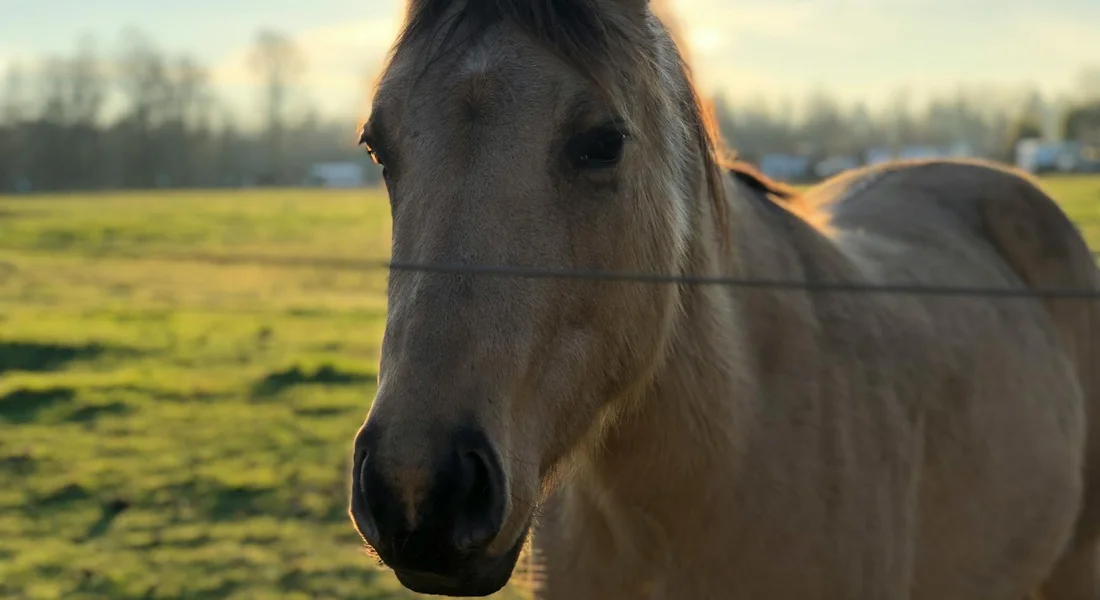
This idea sounds logical until you watch a horse stand for hours in damp bedding. Constant movement on varied pasture ground is what hooves and legs are designed for, not the static, often damp environment of a stall. I’ve spent too many afternoons treating thrush in otherwise healthy horses who were kept in “for their safety” during a wet week.
Turnout Benefits for Hooves
The steady thud of hooves on dirt and grass does more than just burn energy. Every step a horse takes in the field pumps blood through the digital cushion, promoting healthy hoof growth and shock absorption. Think of it as a built-in, all-day circulatory massage. Here’s what consistent turnout provides:
- Natural Trimming: Moving over slightly abrasive terrain wears the hoof wall evenly, which can help maintain a good balance between farrier visits.
- Moisture Regulation: Pasture allows hooves to cycle through wet and dry conditions, which maintains optimal hoof wall elasticity better than constant dampness or constant dryness.
- Strengthened Structures: The subtle unevenness of the ground engages tendons and ligaments, building stability from the ground up.
My old reliable, Rusty, has the healthiest feet of any horse I’ve managed, and I credit his years as a pasture-kept trail horse. His soles are tough, and his frogs are wide and robust-a direct result of miles of varied terrain.
Stall Rest and Hoof Risks
Confining a horse shifts all the risks from external hazards to internal, slow-building problems. The primary danger of prolonged stalling isn’t a sudden injury, but the insidious decay of hoof health from lack of movement and poor air circulation. That damp, ammonia-rich air settling in a stall is a hoof’s nightmare. Common issues include:
- Thrush: This bacterial infection thrives in moist, dirty bedding. A hoof picked once daily can’t compete with standing in waste for 23 hours.
- Contracted Heels: Without the pressure of ground contact, the heels can narrow and constrict, impacting the entire hoof mechanism.
- Stiffness and Poor Circulation: Legs are meant to be fluid. Stagnation leads to filling (stocking up) and can make a horse more prone to strains when work does begin.
I learned this the hard way with Luna after a vet-ordered stall rest. Keeping her impeccably clean still resulted in a tender frog and a noticeable dip in her overall hoof quality within just ten days. Her sensitive nature was compounded by the physical discomfort of stagnant legs.
Myth #3: “Stabled Horses Get More Controlled Exercise”
There’s a big difference between controlled exercise and sufficient movement. An hour in the arena or on a hotwalker is a focused workout, but it doesn’t replace the 16-18 hours of slow, digestive-friendly locomotion a horse needs. A stabled horse’s exercise is often intense and condensed, while a pastured horse spreads low-impact movement across the entire day. Consider what “controlled” often misses:
- Gut Health: Horses are continuous grazers. Movement stimulates gut motility, preventing colic. A stalled horse may stand still for long periods after a large grain meal, which is riskier.
- Mental Exercise: Navigating social dynamics, exploring a paddock, and choosing where to roll are all cognitive activities. A bored horse in a stall is not getting this mental “workout.”
- Movement Variety: Pasture movement includes walking, turning, browsing, and resting in a natural cycle. This varied use of muscles prevents the repetitive strain that can come from only moving in circles under saddle.
I used to think my focused training sessions with Pipin were enough. Then I turned the cheeky pony out more and saw his trick-training focus improve dramatically because he’d already worked off his nervous energy through play. His “controlled” work became safer and more productive because his base need for all-day movement was met.
Myth #4: “A Stall is the Ultimate Weather Shelter”
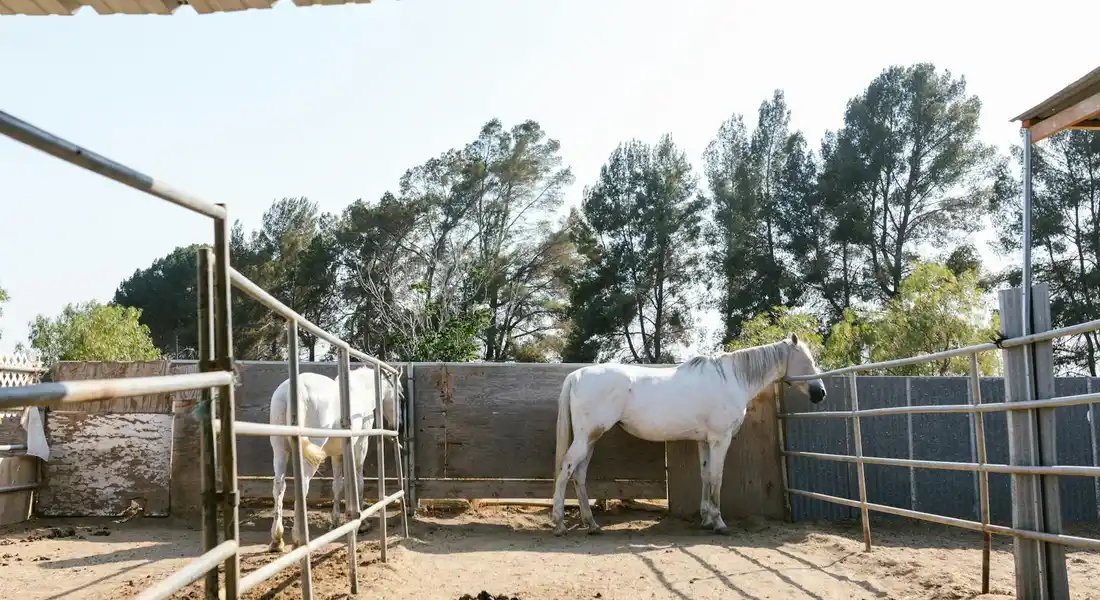
Winter Warmth: Stall vs. Pasture
That wooden box seems cozy, but it can be a damp trap. Horses make their own heat by digesting forage. I watched Rusty, snug as a bug in his winter coat, paw through light snow to graze while a stalled neighbor trembled. A dry pasture with a good windbreak and unlimited hay often keeps a horse warmer than a still, moist stall ever could. Stalls hold humidity from breath and urine, which chills the air. Your horse’s digestive tract is a furnace that needs constant fuel.
Prioritize these for winter wellness:
- Ensure pasture access to a three-sided shelter or thick tree line.
- Increase hay to at least 1.5% of body weight daily when below freezing.
- Use moisture-wicking stall bedding like peat or shavings, not straw.
Their own movement generates warmth, something a 12×12 stall severely limits. Freedom to walk and forage is a better heater than any closed door.
Summer Coolness and Ventilation
Summer stalls can stifle. Without airflow, heat and ammonia fumes build up. Luna’s thoroughbred lungs would wheeze in a stagnant aisle but clear right up with daily turnout. Pasture offers natural, draft-free ventilation that lowers the risk of heaves and heat exhaustion. Horses cool by sweat evaporation, which requires air movement across their skin. A still stall defeats this entire process.
Think about breeze and shade. A shady paddock with a slight hill catches wind better than a low, enclosed barn. If stalling is necessary, cross-ventilation with fans is non-negotiable for equine respiratory health. I set up box fans high on walls, always with protective grills, to mimic that pasture breeze. Remember, coolness comes from airflow, not just darkness.
Myth #5: “Turnout Causes Stress and Loneliness”
This idea is backwards. Isolation is the real stressor. Horses are wired for herd life. Do horses need companions? Herd dynamics explain why social bonds are central to their well-being. Pipin the pony would stand dejected in his stall, but in the field with his buddy, he’d roll and play. Turnout with a compatible friend provides mental stimulation that no stall toy or window view can match. Loneliness manifests in stable vices like weaving or wood chewing, which are rare in pastured herds.
Watch for these signs of contentment versus stress:
- Happy: Soft eyes, relaxed lower lip, mutual grooming, calm grazing.
- Stressed: Pacing the fence line, constant whinnying, ears pinned back, reduced eating.
Successful group turnout requires planning. I never just toss horses together. This is especially true when introducing a new horse into an established herd. A careful, staged process helps minimize stress and aggression. Introduce new herd members over a safe fence line for several days before sharing space. Provide multiple hay piles and water sources to prevent bullying. The initial work pays off in quieter, more settled horses who get to just be horses.
Myth #6: “Stable Feeding is Always Healthier and More Controlled”
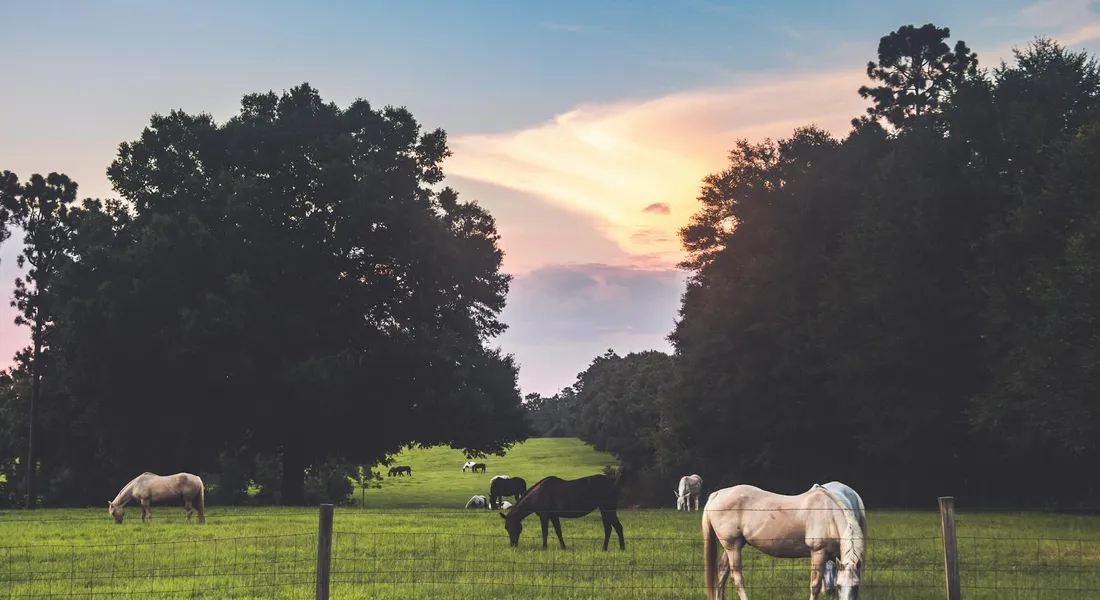
It’s a comforting thought, that precise meal in a clean stall equals perfect health. I managed a barn where we charted every grain portion, yet we still dealt with colic and behavioral issues. The real control comes from working with a horse’s biology, not just a measuring cup. A silent, hayless stall is a digestive time bomb, no matter how neat the feed room looks.
Forage First: The Core of Any Diet
Think of forage as the steady drumbeat of your horse’s day. Their stomachs produce acid continuously, needing the buffer and bulk of long-stem fiber. Whether from a pasture or a hay net, forage must be the foundation you build everything else upon. If you’re wondering what the best forage options for horses are, it’s about quality, fiber, and access. I learned this the hard way with Rusty; his “controlled” stable diet of two large hay meals left him chewing his stall walls and prone to gas.
Here is how to put forage first, practically:
- Aim for forage intake to be 1.5-2% of your horse’s body weight daily. For a 1,000-pound horse, that’s 15 to 20 pounds of hay.
- Use slow-feed nets even in stalls. They mimic the slow grazing of pasture, reducing ulcer risk and stable vices.
- Know your hay. A simple smell test-sweet and grassy, not dusty or moldy-tells you more than any feed tag. That’s the real control.
The quiet sound of a horse chewing hay is the sound of a content gut. I structure my barn so that hay is always available, because an empty hay net is an invitation for trouble.
Managing Weight and Nutrition
Stables make us feel like nutrition scientists, but pasture encourages horses to be intuitive eaters. True nutritional management is about observing the whole horse, not just the menu on the clipboard. My sensitive Thoroughbred, Luna, would get hot and anxious on the grain we gave her in confinement, but on pasture with a mineral block, she finds her own balance, highlighting why grain isn’t always necessary for every horse.
Forget complex formulas and start with this sequence:
- Evaluate body condition every week. Run your hands over their ribs and hips; your fingers will notice fat cover before your eyes do.
- Only after forage needs are fully met should you consider concentrates. Many horses, like old Pipin, only need a vitamin supplement mixed into a handful of hay pellets.
- Use turnout as a tool. A few hours on varied, mature pasture provides movement and trace minerals that a bagged feed can’t replicate.
Weight management isn’t about restriction, it’s about smart fueling through diet. A horse moving freely on good pasture will often self-regulate its calories better than one receiving two rich meals in a stationary stall. Watch, feel, and adjust based on the living animal in front of you, not just the plan on paper.
FAQ: Pasture-Kept vs. Stabled Housing
How should I introduce my horse to a new housing environment, whether pasture or stable?
Transition your horse gradually by starting with supervised, short sessions in the new setting to allow adjustment. Ensure the environment is prepared with safe fencing, shelter, and familiar companions if possible to ease the change. Monitor for stress signs like reduced eating or excessive pacing, and adjust the schedule based on your horse’s comfort level.
What daily checks are essential for both pasture-kept and stabled horses?
Inspect your horse daily for physical changes such as cuts, swelling, or lameness, regardless of housing type. Verify that all resources like hay, water, and minerals are fresh and ample to prevent deficiencies or dehydration. Assess the surroundings for hazards like loose fencing in pastures or poor ventilation in stalls to maintain a safe, healthy space. These checks align with the are signs healthy horse daily check guide. A quick review of the guide during daily checks helps ensure you don’t miss subtle changes.
How does housing choice impact a horse’s social behavior and herd dynamics?
Pasture settings often encourage natural herd bonding, reducing boredom and stress through interaction and play. Stabled horses may need managed socialization, such as shared turnout or visual contact, to satisfy their herd instincts and prevent vices. Observing your horse’s behavior in either system helps tailor social opportunities to support mental and emotional health, which is essential for understanding horse herd dynamics and social enrichment.
Finding Your Horse’s Happy Place
The best system blends safe shelter with freedom, prioritizing your horse’s need to move and socialize. The non-negotiable foundation is daily turnout and near-constant forage access, whether your horse lives in a stall or a field.
Trust the feedback your horse gives you through his behavior and health; his well-being is the truest measure of your management. Good horsemanship means adapting the rules to fit the individual animal standing in front of you. Understanding horse behavior psychology offers practical insights to interpret those signals accurately. It helps connect what you observe to underlying motivations and guides your responses with empathy.
Further Reading & Sources
- Is it better to keep a horse out in a pasture, or pasture and stable? – Quora
- r/Horses on Reddit: Pasture or stall?
- Weighing Your Options – Stall or Pasture?– Horse.com
- Pastures vs Stalls | Straightness Training
At Horse and Hay, we are passionate about providing expert guidance on all aspects of horse care, from nutrition to wellness. Our team of equine specialists and veterinarians offer trusted advice on the best foods, supplements, and practices to keep your horse healthy and thriving. Whether you're a seasoned rider or new to equine care, we provide valuable insights into feeding, grooming, and overall well-being to ensure your horse lives its happiest, healthiest life.
Stable Management