
Clydesdale Horses: Key Traits, Temperament, and Practical Care for Owners
Published on: July 7, 2026 | Last Updated: July 7, 2026
Written By: Henry Wellington
Hello from the stable! You admire the majestic stature of a Clydesdale, but the practicalities of owning one feel daunting-concerns about handling their immense strength, budgeting for their care, or wondering if their famous gentle nature is truly reliable are all very real worries at the barn.
Let’s saddle up and address that head-on. In this guide, I’ll walk you through the defining physical features that make a Clydesdale instantly recognizable, the honest truth about their steady, willing temperament, and essential welfare-focused care for their health and happiness.
My years as a barn manager and trainer, filled with everything from grooming sensitive thoroughbreds to negotiating with clever ponies, have given me a grounded perspective on what all horses, including drafts, truly need.
The Unmistakable Clydesdale: Physical Characteristics Defined
Standing beside a Clydesdale, you feel the thud of their hooves through the ground. This breed is the definition of a draft horse, built not for speed but for steady, immense power. Their entire anatomy is a lesson in functional strength, crafted for pulling loads and working long hours. They are one of the strongest and most powerful horse breeds.
- Large-boned frame: Think of tree trunks for legs, providing an unshakable foundation.
- Muscular shoulders: Sloping and heavy, these shoulders are the anchor point for harness work.
- Broad chest: It gives them their impressive silhouette and houses a mighty cardiovascular system.
- Strong hindquarters: This is where their real pushing power generates, like a living engine.
- High withers: Pronounced and clear, essential for keeping a draft saddle from sliding forward.
- Arched neck: It adds grace to their power and helps balance their front-end weight.
Size and Stature: A Powerful Presence
Most Clydesdales stand between 16.2 and 18 hands tall. They commonly weigh 1,800 to 2,200 pounds. Across horse breeds, average height and weight vary, and draft horses sit toward the high end. This means they can dwarf a light riding horse, transforming a barn aisle into a narrow canyon. Their scale directly impacts their care. You need extra-wide stalls, reinforced fencing, and trailers built for draft bodies. Standard saddles and blankets simply will not fit their broad backs and robust shoulders.
The Signature Look: Feathering and Markings
The long, silky hair feathering down from their knees and hocks is breathtaking. It also traps moisture and dirt. Without consistent care, that beautiful feathering can lead to itchy, painful skin conditions like scratches or mud fever.
Here is my daily routine to keep those feathers healthy:
- Pick out the hooves first. Mud and manure love to pack up into the feathering around the coronet band.
- Spray the feathers lightly with a dilute, gentle cleanser to loosen dirt without stripping natural oils.
- Comb through gently with your fingers or a wide comb to check for cuts, heat, or tangles.
- Ensure they are bone dry before turnout or stalling. I sometimes use absorbent towels on wet days.
For color, bay is the classic favorite. You will also see black, brown, and chestnut, almost always decorated with a wide blaze and four high white stockings. Those white legs make their feathering look even more spectacular.
Heart as Big as Their Body: The Clydesdale Temperament
Their mind is as solid as their build. Clydesdales possess a foundational calmness that makes them wonderful partners. They have a peaceful dignity that can lower the heart rate of everyone in the barn. I recall a draft cross named Odin who would stand like a statue for kids to brush him, his patience never wavering. He was one of the friendliest and calmest horses I’ve ever met.
- Patient: They think before they react, making them safer around unexpected noises.
- Reliable: Once they know a job, they perform it with quiet consistency.
- Intelligent: They learn quickly but will question unfair or confusing demands.
- People-oriented: Many genuinely enjoy human company and will seek out gentle scratches.
This temperament is a world away from a high-strung Thoroughbred’s. A Clydesdale offers a steady, forgiving presence that builds confidence in new riders and handlers.
A Steady Mind: Why They’re So Trainable
Their calm nature is not a lack of spirit. It is a focused willingness to work. Because they are so intelligent and eager to please, they thrive on clear communication and positive reinforcement. Heavy-handed methods will shut them down, but fairness builds an unbreakable bond.
My training approach with drafts always centers on trust:
- Keep your cues light and consistent. Their sensitivity belies their size; a whisper often works where a shout fails.
- Celebrate small successes. Reward with a moment of rest or a carrot to keep them engaged and happy.
- Invest time in groundwork. Teaching them to yield their shoulders or hindquarters respectfully manages their power safely.
- Always use sturdy, well-fitted equipment. A strong halter and a lead rope you can hold comfortably are non-negotiable for safety.
Caring for a Giant: Essential Draft Horse Management
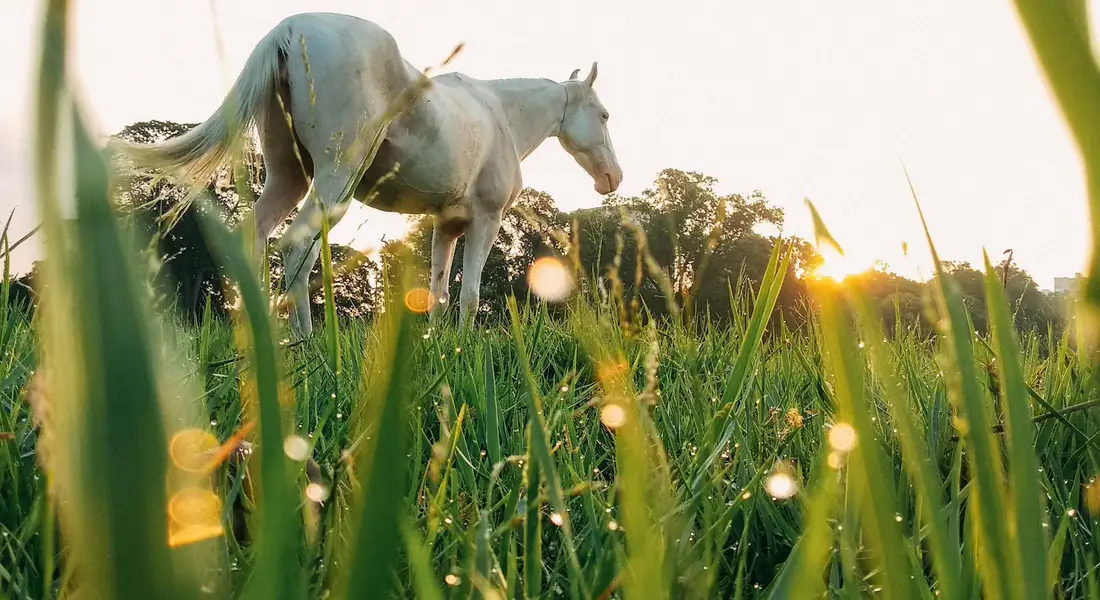
Stepping into a stall with a Clydesdale is a humbling experience; everything from the depth of their bedding to the strength of their gate feels amplified. My time with a draft named Atlas taught me that their care is a specialized craft, not just a scaled-up version of what I do for Rusty or Luna. That care begins with a thorough initial veterinary assessment and a plan for ongoing health checks, because horses’ needs can evolve quickly. Successful management hinges on adapting your routine to support their immense weight and steady temperament, with turnout as the non-negotiable cornerstone of their well-being.
- Increased Feed and Hay Quantities: A Clydesdale can easily consume over 30 pounds of hay daily. I always weigh portions, never eyeball them, to meet their roughage needs without wasteful overfeeding.
- Sturdy Stall Design: Flimsy partitions won’t cut it. Use reinforced walls, heavy-duty latches, and extra-wide doors to prevent accidents and give them room to lie down safely.
- Heavy-Duty Hoof Care: Their broad, flat hooves are prone to picking up debris and developing cracks. A meticulous daily pick-out and a strict farrier schedule are your first line of defense.
- Emphasis on Regular Turnout: Daily movement in a secure field is vital. It keeps their joints fluid, minds calm, and mimics the natural grazing rhythm their digestive system craves.
Nutrition for Power: Feeding the Large-Boned Frame
You cannot fuel a locomotive with lawnmower gas. Feeding a Clydesdale is about strategic quality, not mere quantity. The bulk of their diet must be superior grass or mixed hay, providing slow-release energy and promoting healthy hindgut fermentation.
- High-Quality Roughage: Offer 1.5-2% of their body weight in hay daily. For a draft, this often means multiple slow-feed nets to encourage constant, trickle-feeding.
- Balanced Concentrates for Hard Workers: Only supplement with grain or pellets if their job demands it. Choose a feed formulated for metabolic health to avoid unnecessary sugar spikes.
- Always Ensure Fresh Water: They may drink 20 gallons a day. I use rubber tubs that won’t crack if bumped and check them twice daily, scrubbing away any slime or algae.
I monitor their waistline by feel, not just sight. That thick winter coat can hide a lot, just like it does on our cheeky pony Pipin. Run your hands over their ribs regularly; you should feel them with light pressure, not see them.
Grooming the Feather: Keeping Legs Healthy
Those stunning feathered legs are a magnet for moisture, mud, and bacteria. Left unchecked, what looks majestic can quickly become miserable. Establishing a diligent cleaning ritual prevents painful dermatophilosis, commonly called mud fever.
- Thorough Drying is Paramount: After turnout or washing, I blot the feathers with dry towels. On rainy weeks, I might use a cooler or stand them in a dry stall with fresh shavings to wick moisture away from the skin.
- Check for Mud Fever Daily: Part the hair down to the skin, looking closely for crusts, scabs, or hot spots. Early detection means simpler treatment.
- Gentle Cleaning Preserves Skin Integrity: Use a mild, diluted shampoo and your fingers to work through the feathers. Rinse until the water runs completely clear, as leftover soap is a major irritant.
Soundness and Strength: Health Priorities for Large-Boned Horses
The sheer physics of a Clydesdale’s body means their joints and feet bear incredible loads. A reactive approach to health won’t suffice. You must be the sentinel for their soundness, prioritizing prevention through consistent monitoring and tailored care. These physical traits can influence lifespan and overall health. Understanding them helps tailor preventive strategies rather than waiting for problems to arise.
Compare the routine needs of a draft to a lighter horse. This isn’t about one being better, but about recognizing different requirements:
| Care Aspect | Draft Horse (Clydesdale) | Light Horse (e.g., Quarter Horse) |
|---|---|---|
| Joint Support | Supplemental glucosamine may start earlier. Daily, low-impact turnout is crucial to prevent stiffness. | Supplements often introduced later in career or with heavy work. Turnout remains important for fitness. |
| Hoof Health | Farrier visits every 6 weeks are standard. Focus on maintaining medial-lateral balance to prevent strain. | Farrier cycle may extend to 8 weeks. Trimming often focuses on hoof-pastern alignment. |
| Monitoring Weight | Use a weight tape weekly. Even a 50-pound gain is a significant added stress on limbs. | Visual assessment and periodic taping are sufficient for many pleasure horses. |
Hoof and Limb Care: Supporting a Powerful Build
The solid thud of a Clydesdale’s hoof is a sound of power, but it’s also a reminder of the forces at play. Proactive hoof care is the most effective way to safeguard the entire limb from the foot up.
- Regular Farrier Work is Non-Negotiable: Their hooves grow quickly and can wear unevenly. A skilled farrier maintains the proper angle and prevents debilitating conditions like seedy toe or sheared heels.
- Preventive Care for Weight-Bearing Limbs: Provide deep, supportive bedding in stalls. After work, cold-hosing legs can reduce inflammation. I often feel for heat or swelling, a habit I learned caring for the sensitive-legged Luna.
Listen to the rhythm of their movement. A change in gait or a reluctance to move out freely is your first clue that something, from a stone bruise to an arthritic joint, needs attention.
From Farm to Family: The Versatile Roles of Clydesdales
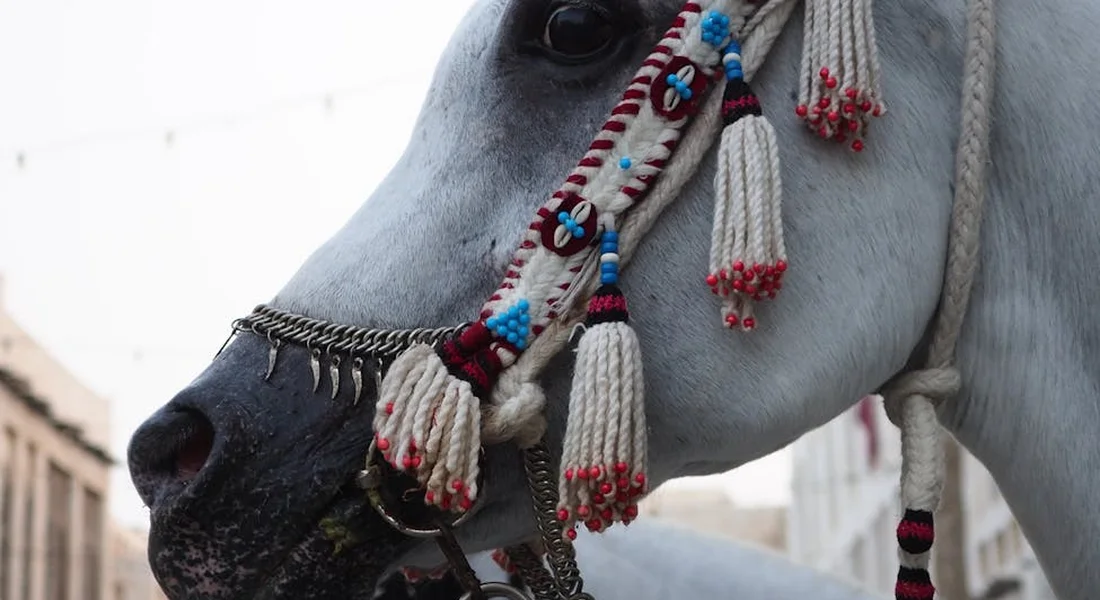
Forget the flashy commercials for a minute. The true measure of a Clydesdale is not in a parade ring, but in the quiet consistency of daily partnership. I’ve found that horses, much like people, shine when their natural abilities are put to purposeful work, and the Clydesdale’s calm versatility is a gift in so many settings beyond the hitch. If riding is on the table, are Clydesdales good mounts? They reward patient training and calm hands, with careful attention to weight limits and saddle fit. Their steady temperament, forged from centuries of farm collaboration, makes them adaptable companions for modern life.
- Driving: Their history is in harness, and many Clydesdales still find joy here. The creak of leather and the jingle of brass is a language they understand. Whether for pleasure driving down a country lane or in competitive events, their powerful, rhythmic pull and unflappable nature make them a safe and joyful partner. I’ve seen draft crosses bring a similar grounded focus to cart work.
- Recreational Riding: Yes, you can ride these giants. Their broad, comfortable backs and surprisingly smooth gaits offer a secure seat for trail riding. They may not be built for tight reining, but for a steady, confident trek where the thud of their hooves is your rhythm, they are perfect. Think of a living, breathing ATV that also enjoys a good scratch.
- Therapy Work: In therapeutic riding or groundwork programs, their imposing size is matched only by their profound gentleness. The simple act of standing quietly for grooming can be a powerful lesson in trust for a human. Their calm presence and tolerant nature can lower anxiety and build confidence in remarkable ways.
- Farm Labor: On small homesteads or eco-friendly farms, they are returning to their roots. Pulling a light harrow, moving logs, or even giving wagon rides keeps their minds and bodies active. This isn’t nostalgia; it’s recognizing that intelligent horses thrive when they have a job that engages their strength and their brain.
Advocating for these roles means advocating for the horse’s mind. A Clydesdale in a pasture is lovely, but a Clydesdale with a purpose is truly fulfilled.
Building a Bond: Training and Handling Your Gentle Giant
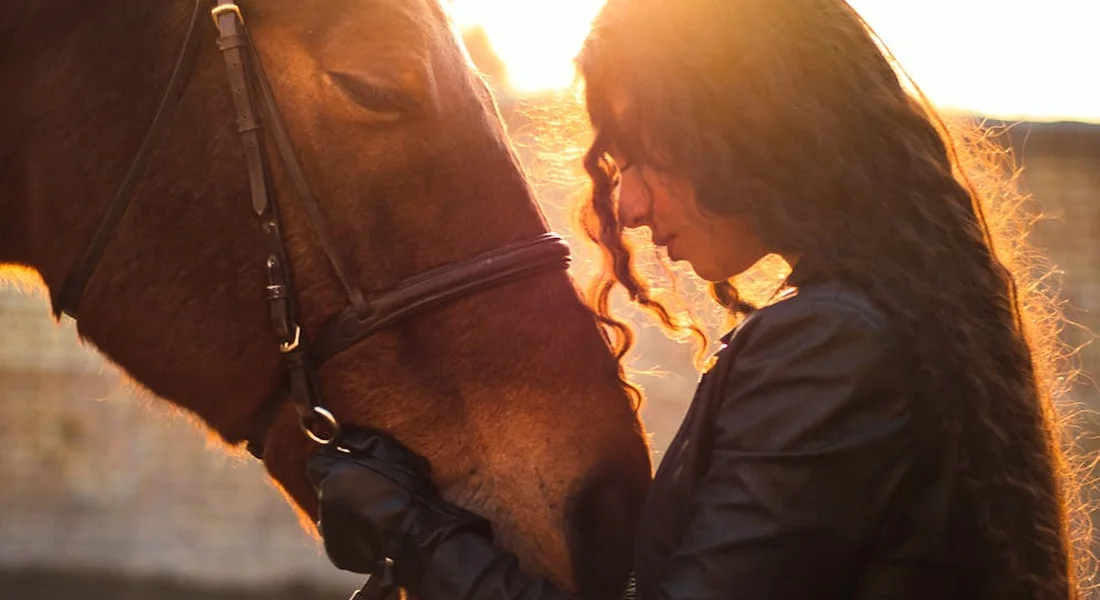
Working with a horse this size demands a blend of respect, clarity, and humor. The first time you hold a Clydesdale’s dinner-plate-sized hoof, you’ll understand the scale. Safety is non-negotiable, but it’s built on trust, not fear-their power is a fact, not a threat, when you communicate clearly. Their intelligence means they learn quickly, but their sensitivity means they remember every rough hand.
- Mind Your Space: Always be aware of where you stand. Work from the shoulder, where you can see their eye and they can see you. Never get trapped in a corner or directly under their head.
- Speak Their Language: Use consistent, quiet vocal cues. A low “whoa” or a click can be more effective than a sharp tug on a lead rope. They respond to pressure and release, so the moment they try, release the ask.
- Leverage Positive Reinforcement: A chunk of carrot or a moment of rest is a powerful motivator. My Shetland, Pipin, taught me that even the most food-motivated creature learns faster with praise. For a Clydesdale, keep treats small to avoid weight gain.
- Equipment Matters: Use a sturdy, well-fitting halter and a lead rope with a solid snap. Their strength is immense, so flimsy gear is a safety risk for both of you. Check all tack regularly for wear.
Groundwork Foundations: Establishing Trust
Everything good starts on the ground. Rushing this process with a large horse is asking for trouble. Invest time here, and you build a partner who looks to you for guidance, not one who simply obeys out of confusion. The smell of fresh hay and the sound of your calm voice are your best tools.
- Teaching to Lead Calmly: Begin with short sessions. Ask for one step, stop, and reward. If they pull, plant your feet and wait; don’t get into a tug-of-war. I practice this with all the horses, and with a giant, the goal is polite forward energy, not dominance.
- Standing for Grooming: This is a lesson in patience for both of you. Introduce each brush, let them sniff it, and start on the shoulder-a less sensitive area. If they fidget, just stop and wait; resume when they are still, teaching them that calmness earns a break. It’s a meditation.
- Picking Up Large Feet Patiently: Run your hand firmly down the leg to the fetlock, apply steady pressure, and give a cue like “foot.” Support the hoof in your palm or between your knees-don’t let it dangle. Clean it quickly and place it down, never dropping it. Your back will thank you.
What are the Defining Characteristics and Temperament of Clydesdale Horses? – FAQ
Are there differences in characteristics between male and female Clydesdales?
Male Clydesdales, particularly stallions, may display more dominance and require confident handling, whereas geldings and mares often have a steadier, more even temperament. Individual personality and training history are significant factors, so generalizations should be cautious. All genders inherently possess the breed’s defining physical power and typically calm demeanor.
How consistent is the gentle Clydesdale personality across individual horses?
The breed is renowned for a reliably calm, patient, and willing temperament, making them generally predictable and safe partners. Their intelligence means they respond well to positive training but may become reserved if treated harshly. This consistency in gentle nature is a key reason they excel in roles like therapy work and family riding.
How do the key physical characteristics of a Clydesdale influence their daily care?
Their immense size and weight demand robust fencing, extra-wide stalls, and specialized tack to ensure safety and comfort. The heavy bone structure and large frame increase their nutritional requirements for quality forage and careful weight management. Furthermore, their signature feathered legs necessitate diligent grooming to prevent moisture-related skin conditions.
Your Gentle Giant Awaits
Caring for a Clydesdale centers on acknowledging their sheer size, requiring diligent attention to secure footing, robust fencing, and thoughtful tack fitting. Your most important daily task is to provide them with the space and time to simply be a horse, as their mental well-being is directly tied to ample turnout and a steady routine.
Move slowly, speak softly, and let their calm demeanor guide your partnership. Building trust with a horse this powerful is a profound reminder that the best horsemanship is always a two-way conversation. Talking with a horse in a calm, consistent voice helps you understand them better. When you listen as well as you speak, you build better communication with horses.
Further Reading & Sources
- Caring for a Clydesdale Horse: What to Know
- Clydesdale Horse Breed Guide: Characteristics, Health & Nutrition | Mad Barn
- Meet the Mighty Clydesdale Horse Breed
- Clydesdale Horse
At Horse and Hay, we are passionate about providing expert guidance on all aspects of horse care, from nutrition to wellness. Our team of equine specialists and veterinarians offer trusted advice on the best foods, supplements, and practices to keep your horse healthy and thriving. Whether you're a seasoned rider or new to equine care, we provide valuable insights into feeding, grooming, and overall well-being to ensure your horse lives its happiest, healthiest life.
Choosing the Right Breed