
Top 7 Feeding Mistakes That Greatly Increase Your Horse’s Colic Risk
Hello fellow equestrians. That sudden drop in your stomach when your horse turns away from his hay net or starts circling his stall? It’s a fear we all share. Colic is more than a costly emergency-it’s a gut-wrenching scare that puts your horse’s well-being on the line.
After managing barns for years, I’ve learned most colic cases trace back to simple, preventable feeding errors. In this article, I’ll show you the seven biggest culprits I’ve corrected in my own stable. We will cover abrupt diet changes, inconsistent water access, overfeeding concentrates, poor-quality forage, erratic meal timing, neglected dental care, and limited turnout time.
My own horses, like my treat-loving Quarter Horse Rusty and my high-strung Thoroughbred Luna, have taught me that gentle, consistent care is the best colic prevention there is.
Start Here: Why Your Horse’s Belly Isn’t a Garbage Disposal
Think of colic as a digestive traffic jam, where feed, gas, or a simple blockage brings the entire system to a painful, grinding stop. This isn’t just a bellyache; it’s a full-scale crisis that demands immediate attention and understanding.
I remember listening to Luna’s stall one evening, hearing the unusual thud of a hoof against wood followed by a low groan-the unmistakable soundtrack of gas colic from a rich meal she wasn’t prepared for. That night spent monitoring her taught me more about prevention than any textbook ever could.
We’re going to look at the feeding habits that seem harmless but quietly ramp up your horse’s risk. My aim is to turn your daily routine into the best colic insurance policy you can buy.
How the Horse’s Digestive System Works (The 30-Second Version)
A horse is a trickle-feeding fermenter, designed by nature to take in little bites of fibrous grass and hay almost constantly. Their small stomach and large hindgut act like a continuous production line, breaking down forage through steady fermentation. This raises the question: does a horse’s digestive system really work? Exploring how it handles fiber can reveal how well it performs in practice.
We often disrupt this by feeding like we eat: large, concentrated meals at breakfast and dinner. Picture trying to run a marathon after a Thanksgiving feast-that’s the strain we put on their digestion. This clash between their biology and our convenience is a primary culprit behind digestive upset.
Everything in good horsekeeping starts with respecting this need for near-constant foraging; it is the non-negotiable rule for a healthy gut.
The Top 7 Feeding Mistakes That Invite Colic
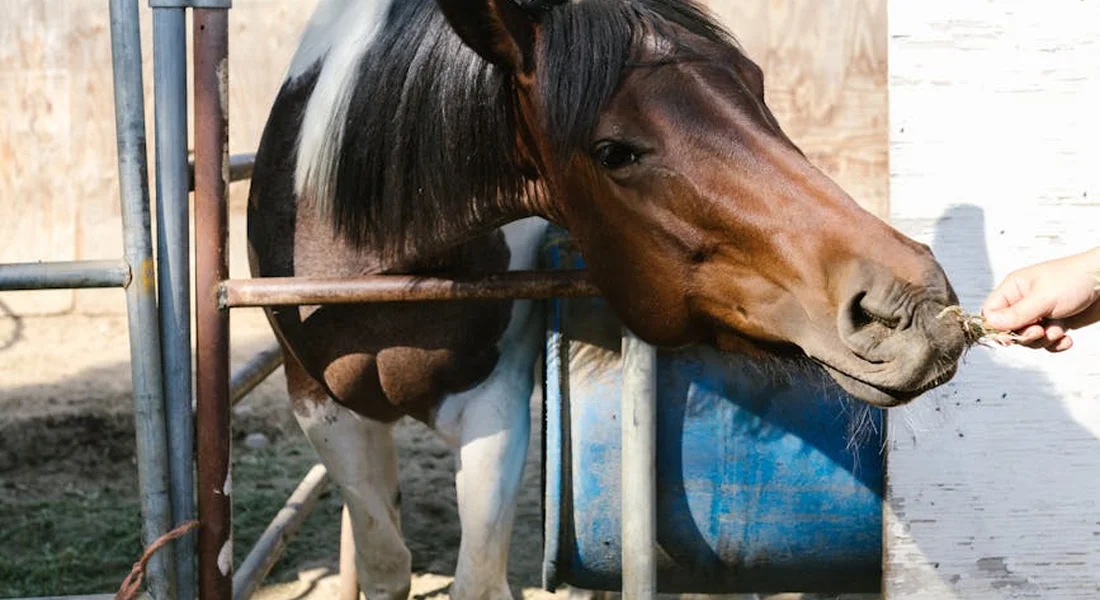
Mistake 1: The Sudden Switch-Up
Think of your horse’s hindgut as a delicate, thriving ecosystem. Abruptly changing their hay, grain, or pasture access is like a sudden ice storm for the microbial life there. This shock disrupts fermentation, leading to gas, acidosis, and pain. I once made a quick hay swap for Rusty, and the resulting gut grumbles taught me a lasting lesson about gradual change.
Always transition over 7 to 10 days. For a new hay bale or spring grass, start with 25% new mixed with 75% old for three days. Move to a 50/50 blend for another three, then 75% new before going full. This slow ramp-up gives those crucial bacteria time to adapt without declaring a digestive mutiny.
Mistake 2: Serving Low-Quality or Dangerous Forage
Bad hay doesn’t just lack nutrition; it actively threatens health. Moldy hay can be especially problematic, as mold spores can cause respiratory and digestive turmoil, while dusty forage irritates lungs. Pastures overgrazed to sandy dirt introduce a literal grit that can settle in the colon. Your best defense is a hands-on inspection: good hay smells sweet like a dry field, not sour or damp, and the stems should snap cleanly, not bend like rubber.
For dusty hay, soaking is a savior. Submerge a flake in a clean bucket of water for 30 minutes to lock down particles and leach out excess sugars. This simple act can turn questionable forage into a safe meal, especially for a sensitive soul like Luna who needs every breath to be clear.
Mistake 3: The Fiber Famine
Horses are continuous grazers, not meal-eaters. Denying them enough long-stem fiber starves the hindgut, leading to a acidic environment and sluggish movement that invites impaction. That 1-2% of body weight rule isn’t a suggestion; it’s the bedrock of digestive health. But it’s a fine balance, as overeating can be risky too.
For my steady Eddy, Rusty, that means 15 to 20 pounds of grass hay daily. For horses stuck in stalls, use a slow-feed net to stretch out chewing time and mimic natural grazing rhythms. Prioritizing ample turnout time is the single best thing you can do to keep fiber moving through their system as nature intended. For a tailored daily hay amount, our complete feeding guide breaks down how much hay your horse should eat by weight, workload, and turnout. It helps you adjust as seasons and activity change.
Mistake 4: Water Woes and Dehydration
Water is the hydraulic fluid for the entire digestive conveyor belt. Without it, ingesta becomes a dry, sticky plug. An empty water bucket is one of the fastest paths to an impaction colic, full stop.
Keep buckets scrubbed and refilled with cool, clean water. In winter, use tank heaters or break ice morning and night. Adding a daily ounce of plain white salt to their feed encourages drinking. My go-to winter hack is dropping a few sealed plastic bottles in the water tank; they bob around and help delay a solid freeze.
Mistake 5: The Grain Overload
Dumping a large grain meal is like pouring soda on a science fair volcano. The stomach and small intestine can’t process all that starch at once, so it floods the hindgut, causing a rapid, harmful pH drop. Many pleasure horses, like Rusty, thrive on forage alone and don’t need grain at all.
For performance horses like Luna who need more calories, split their concentrate into three or more tiny meals. Explore fiber-based cubes or soaked beet pulp, and consider rice bran for fat calories instead of starch. Smaller, frequent feeds protect the gut’s delicate balance and provide steadier energy for your horse. This supports creating a balanced diet for performance horses, ensuring energy and gut health stay in sync. A balanced plan also helps steady performance and recovery.
Mistake 6: Erratic Meal Times
Your horse’s stomach secretes acid continuously, expecting food to buffer it on a predictable schedule. Irregular feeding creates acid splashes and stress, priming the gut for trouble. Consistency isn’t just convenient; it’s a critical pillar of comfort and safety, especially when choosing between slow feeder nets and ground feeding.
Set a timer if you must. I learned this after a chaotic week threw off Pipin’s dinner time; his anxious pacing was a clear sign of distress. Also, wait at least an hour after a hard ride before offering a large meal. A calm routine is a gift of stability that pays off in your horse’s quiet demeanor and settled belly.
Mistake 7: Ground Feeding and Other Management Slips
Tossing hay onto sandy soil or a dusty paddock is an open invitation for your horse to ingest abrasive material with every bite. Sand colic is a stealthy, preventable danger, especially for food-motivated ponies like Pipin who vacuum up every last strand.
Always use a feeder, a rubber mat, or a clean patch of gravel. Be militant about storing grain bags securely and sweeping up spills. Try the simple sand test: collect fresh manure, place it in a clear plastic bag with water, mash it, and let it settle; sand will layer at the bottom, giving you an early warning.
Your Action Plan: Building a Colic-Resistant Feeding Routine
Turn these fixes into simple, daily habits. Your goal is to create a predictable, fiber-rich, and hydrating environment that lets your horse’s digestion hum along smoothly.
Follow this mental checklist each day:
- Feed at the same times, morning and evening.
- Provide quality, dust-free hay at 1-2% of body weight.
- Check and clean water sources twice daily.
- Split grain into multiple, small servings.
- Feed from a raised bin or mat, not the ground.
Spend time just watching your horse. Know their normal so you spot the subtle signs-a paw, a tail swish, glancing at their flank-before discomfort escalates. By learning to recognize subtle signs of equine pain, you can intervene early and keep your horse comfortable. Investing in these quiet, daily protocols is the ultimate act of gentle horsemanship, sparing your horse pain and your wallet a crisis.
Frequently Asked Questions: Top 7 Feeding Mistakes That Greatly Increase Your Horse’s Colic Risk
Why is sudden feed change dangerous for horses?
A sudden change disrupts the delicate microbial population in the hindgut that is essential for fermentation. This can lead to a rapid production of gas and acids, causing significant pain and digestive imbalance. Transitioning any new feed over 7-10 days allows these microbes to adapt safely.
How does feeding poor-quality forage contribute to colic?
Moldy or dusty hay can introduce toxins and irritants that directly inflame the digestive tract. Forage contaminated with sand or soil from the ground can accumulate in the gut, leading to a heavy, painful impaction. Always select clean, sweet-smelling hay and feed it from a rack or mat to avoid ingestion of debris.
What is the risk of not providing enough water when feeding?
Insufficient water intake causes ingested feed to become dry and impacted, halting normal gut motility. This is a primary cause of impaction colic, which is both common and preventable. Ensuring constant access to clean, fresh water and encouraging intake with salt is a critical daily management task.
From the Feed Room to the Field
Prevent colic by avoiding sudden diet changes and ensuring your horse eats from the ground, not a raised net or feeder. Mimic nature by providing nearly constant access to good hay or pasture turnout-a moving gut is a healthy gut.
Patience and routine are your best tools for safe feeding. Trust that watching your horse eat is just as important as what you put in the bucket. Creating a consistent feeding schedule will help ensure your horse’s nutritional needs are met.
Further Reading & Sources
- Feeding Horses Post-Colic – The Horse
- Feeding Horses During and After Colic: Vet-Approved Care Guide …
- Common Horse Feeding Mistakes to Avoid – Horse Illustrated
- Dodson and Horrell – Managing and feeding to avoid colic | Dodson Horrell
At Horse and Hay, we are passionate about providing expert guidance on all aspects of horse care, from nutrition to wellness. Our team of equine specialists and veterinarians offer trusted advice on the best foods, supplements, and practices to keep your horse healthy and thriving. Whether you're a seasoned rider or new to equine care, we provide valuable insights into feeding, grooming, and overall well-being to ensure your horse lives its happiest, healthiest life.
Nutrition